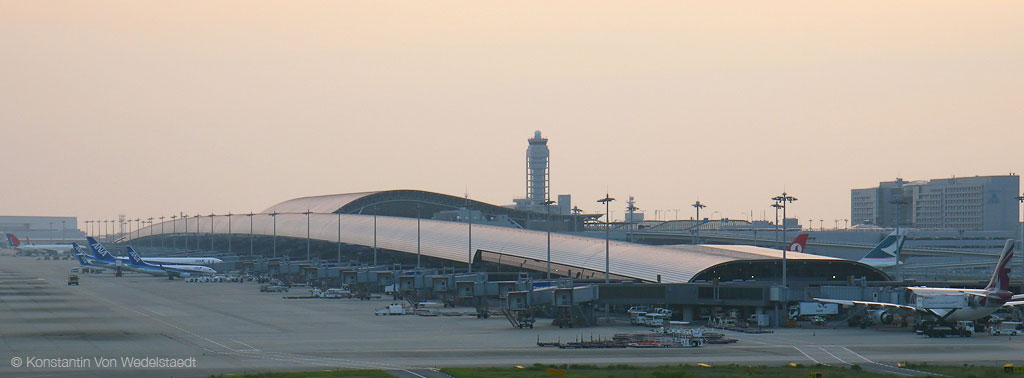
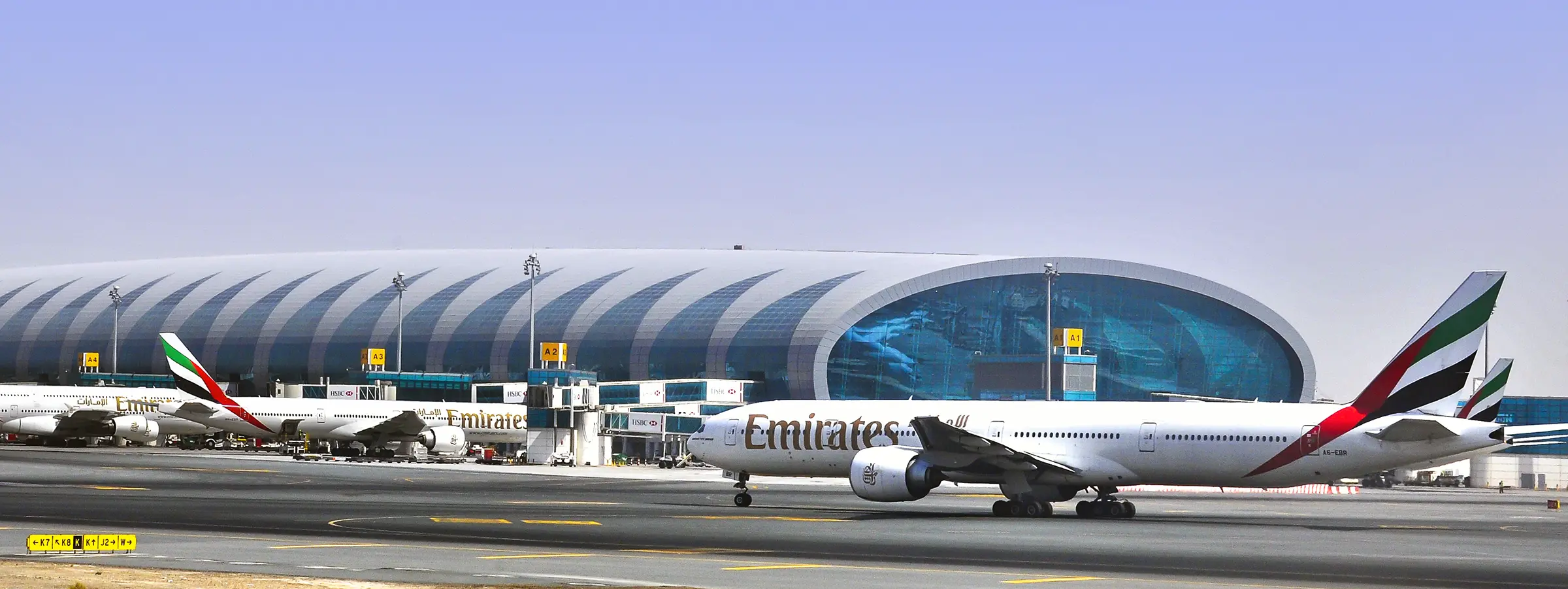
In 1994, the Kansai International Airport, in Japan, is one of the most stunning that can be visited anywhere in the world. Its objective was, and is, to serve the region of the same name, where three of Japan's main cities are located: Osaka, Kyoto, and Kobe.
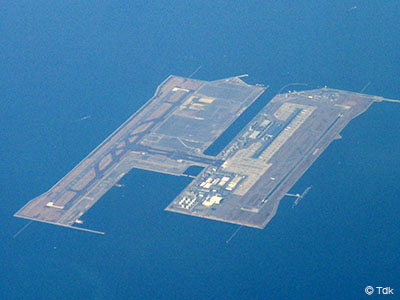 When the new aerodrome opened, all the figures were record-breaking. It was built in a Artificial island 4 kilometres long and 2.5 km wide, designed to withstand any natural hazard, especially tsunamis and typhoons. Three mountains were excavated to extract the 21 million cubic metres which required an island of that size. More than was invested 10 million man-hours. The terminal, designed by Renzo Piano, is 1.7 km long, the longest in the world.
In 2014, Kansai Airport handled 141,565 aircraft movements, with 19.35 million passengers and 723,000 tonnes of cargo. (Source: New Kanzai Int. Airport Co. Ltd.)
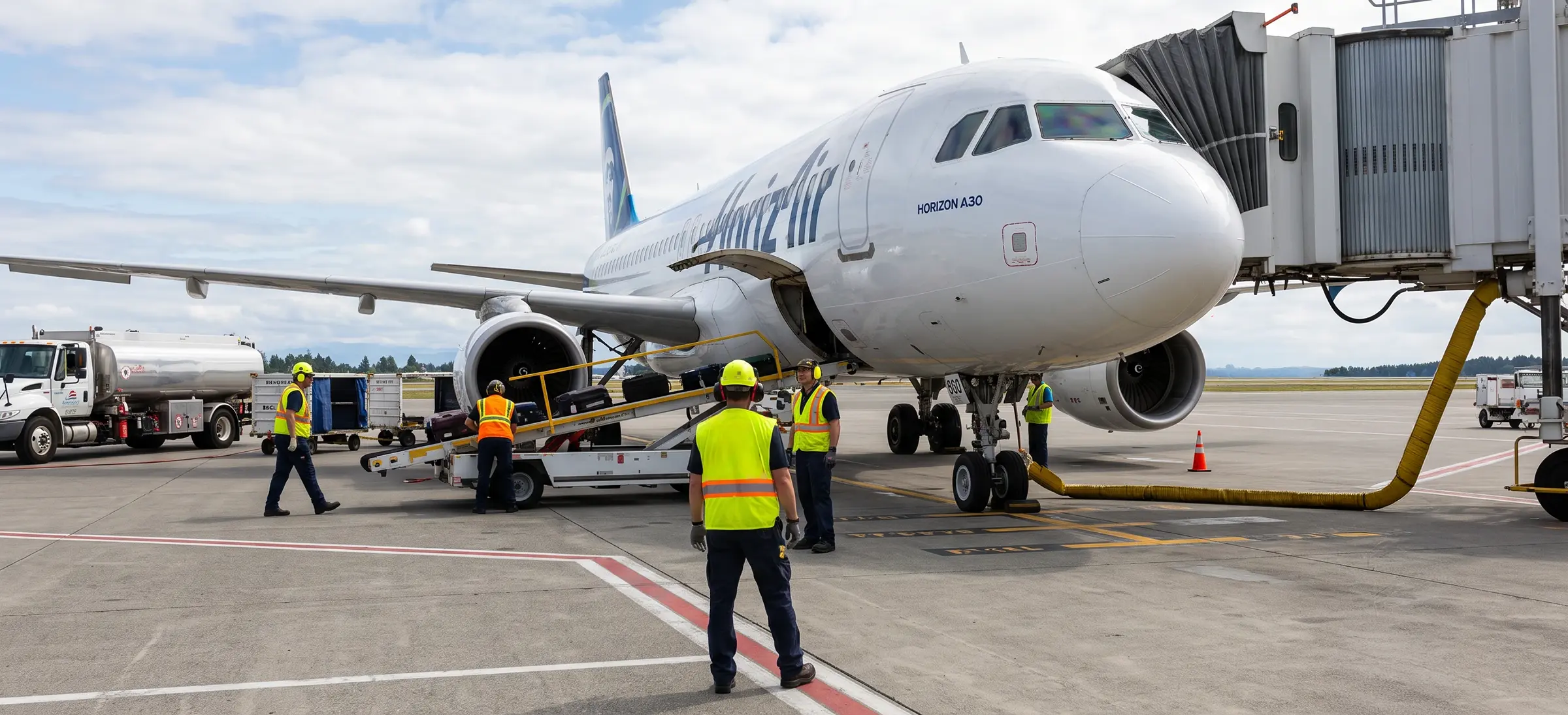
However, the most important and most incredible record is that since the day of its inauguration, on 4 September 1994, has not lost a single suitcase. That is to say, 21 consecutive years. This feat is due to several factors. Among them, particular notice must be given to the careful design of each of the work areas. Everything has been considered, from its initial conception, for the optimisation of ground assistance services. Let us take into account that everything, from the land it occupies, to the last detail of this enormous infrastructure, is newly built and expressly designed to house an aerodrome with all its services.
But according to the airport authorities themselves, the real secret lies in the Design and execution of careful baggage handling protocols where the criterion of traceability for any package, large or small, entrusted to the airport itself.
 This fact has been the key for users around the world to choose it as the best airport in the world for baggage handling, heading the list annually published by the consultancy Skytrax. They are followed, in this order, by Hong Kong, Singapore Changi, Taiwan Taoyuan, Seoul Incheon, Tokyo Haneda, Copenhagen, Munich, Zurich and Tokyo Narita.
But none of them succeeded in not losing a single suitcase. Kansai Airport did.
And also, since 1994.