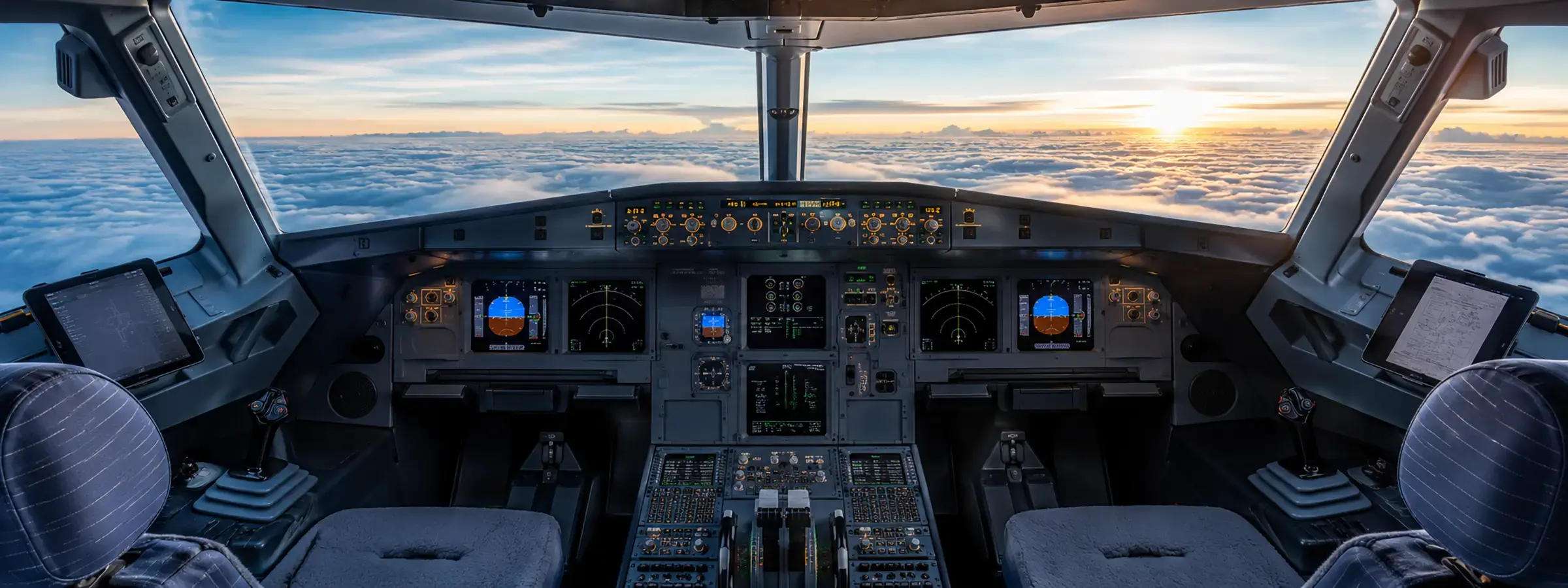
A new strategic approach that marks a shift from an innovation-focused approach to one geared towards deployment, where, in addition to technological advances, consideration is also given to the ability to industrialise, certify and operate new systems on a large scale.
The AZEA Roadmap (Alliance for Zero-Emission Aviation), presented last April, constitutes a comprehensive strategic framework promoted by the European Commission and key industry players to enable the large-scale deployment of zero-emission aviation in Europe.
Its main objective is to coordinate the transition to electric, hybrid and hydrogen-powered aircraft, aligning technological development with regulatory developments, infrastructure availability and commercial adoption by the market. Unlike previous initiatives focused primarily on research, this roadmap focuses on the conditions necessary to bring these new aircraft into operational service.
One of the key points of the document is that the decarbonisation of aviation cannot be achieved through aircraft advancements alone, but requires the coordinated development of the entire ecosystem, including energy supply, airport adaptation, certification frameworks and new operational concepts.
Electric technologies introduce requirements that are entirely different from those of conventional aviation, such as the need for high-power charging systems, energy distribution infrastructure and new security protocols (both physical and cyber). In this context, the roadmap highlights the importance of early coordination between manufacturers, operators, airport managers, energy suppliers and regulatory authorities to avoid delays in deployment.
Based on this premise of comprehensive collaboration, a phased introduction of these technologies is proposed, with the initial applications focusing on small aircraft and regional aviation – an area where the technological and operational barriers are more manageable. This initial phase will be key to validating technologies, business models and infrastructure in real-world environments.
Subsequently, a move towards larger aircraft is anticipated, potentially reaching the 100-passenger segment by the 2040s, with a gradual and significant expansion of the zero-emission aircraft fleet some 10 years later.
The roadmap also clearly identifies the key challenges that need to be addressed. These include current technological limitations such as battery energy density and the on-board integration of high-voltage systems, regulatory uncertainties associated with the certification of new propulsion architectures, and the need to finance the high initial costs. It also highlights the need to align infrastructure development with aircraft availability, particularly regarding airport electrification and hydrogen logistics, to avoid mismatches that could hinder adoption.
From a strategic perspective, this document marks a shift away from the previous focus on innovation towards an approach geared towards deployment. It is recognised that achieving climate neutrality in aviation requires not only technological advances but also the capacity to industrialise, certify and operate new systems on a large scale.
In this context, the technological capabilities of AERTEC in the field of aircraft electrification fit directly with the priorities identified in the roadmap, Our experience in the development, integration, validation and operation of electrical systems positions us as a relevant player in the transition to zero-emission aircraft. In particular, the company's technological capabilities in the design of high-voltage electrical systems, smart power distribution, real-time monitoring and system qualification allow us to contribute significantly to the reduction of technological risks and to the preparation for aeronautical certification.
If we include AERTEC's capacity to offer the market modular, scalable solutions adapted to industrial production environments, we also respond to the priority identified by AZEA to build a complete ecosystem that includes both the aircraft and the associated manufacturing and support infrastructures and resources.
Perhaps we are not so far from achieving the goal.
For more information: European Commission: Alliance for Zero-Emission Aviation
Key issues related to this publication: Aircraft electrification