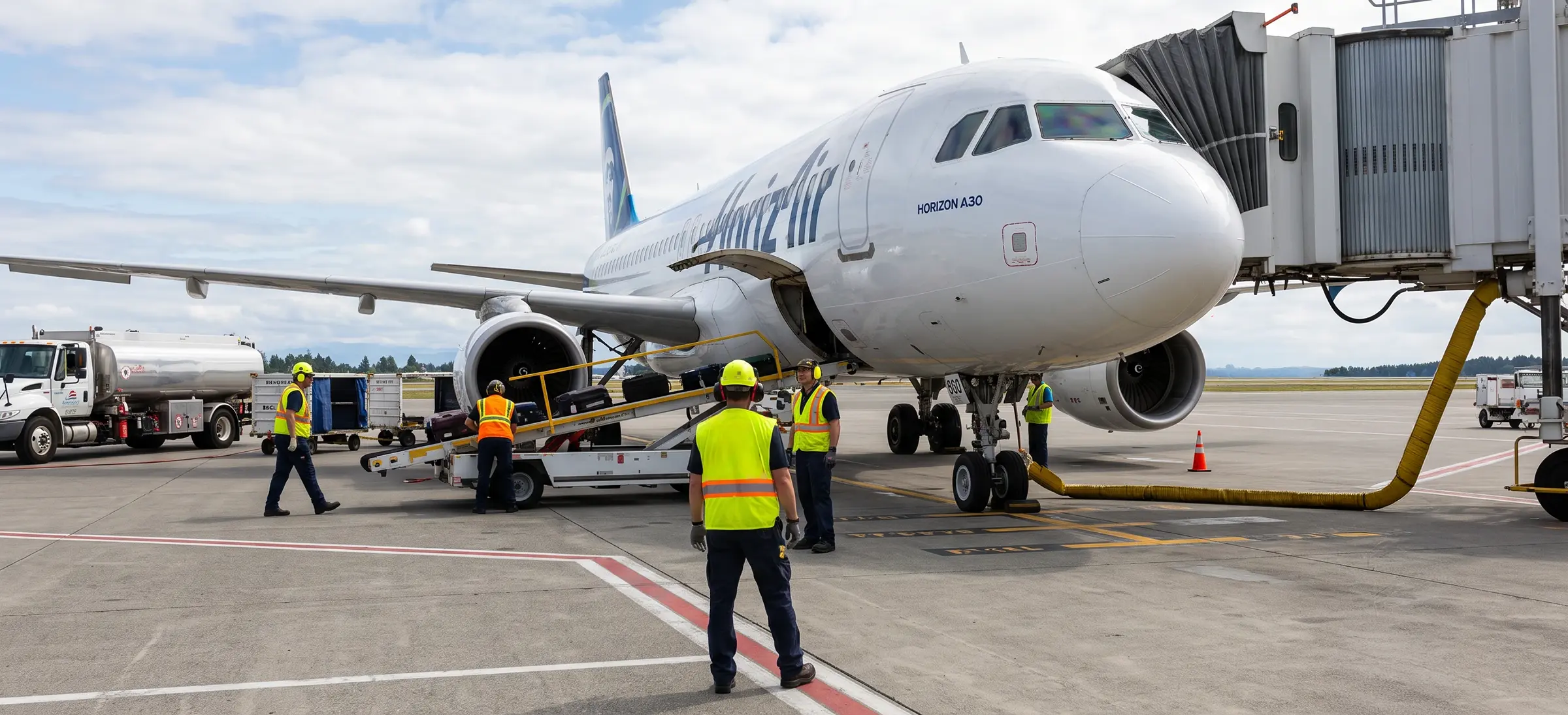
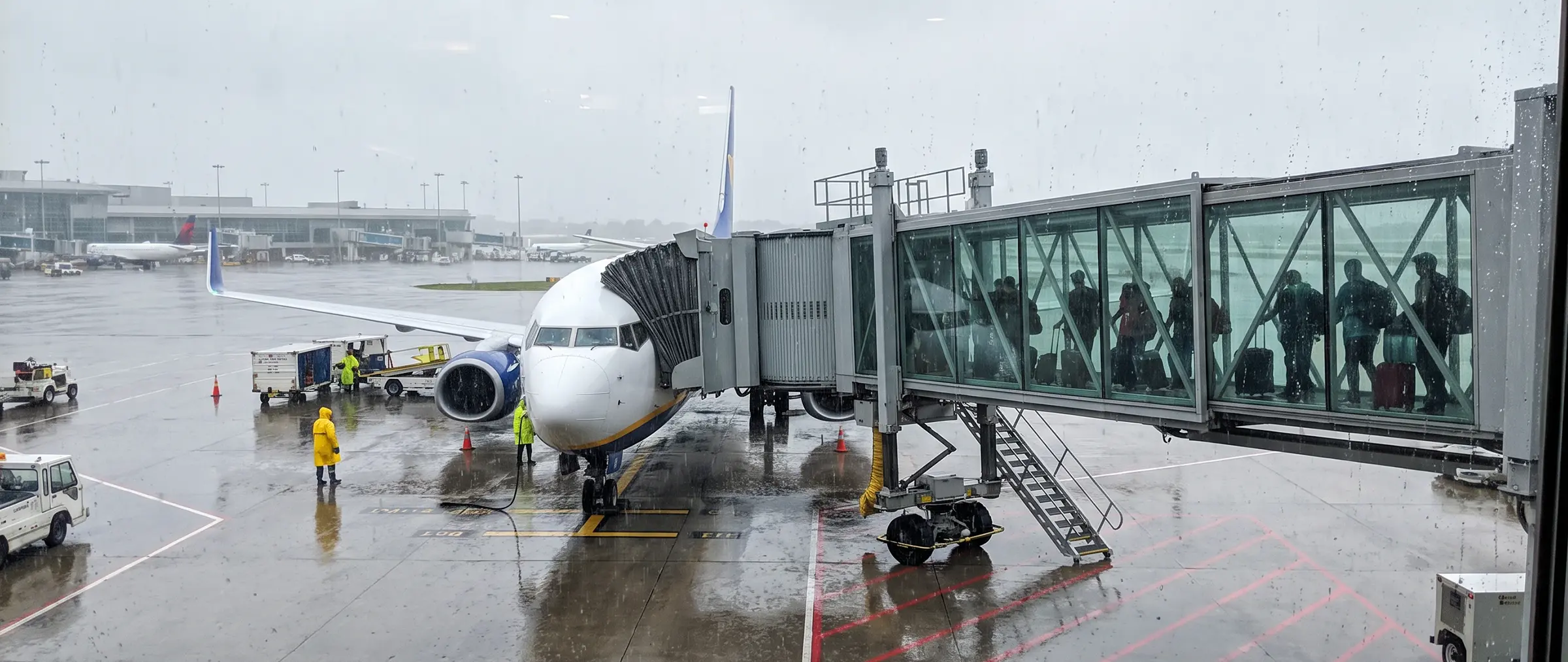
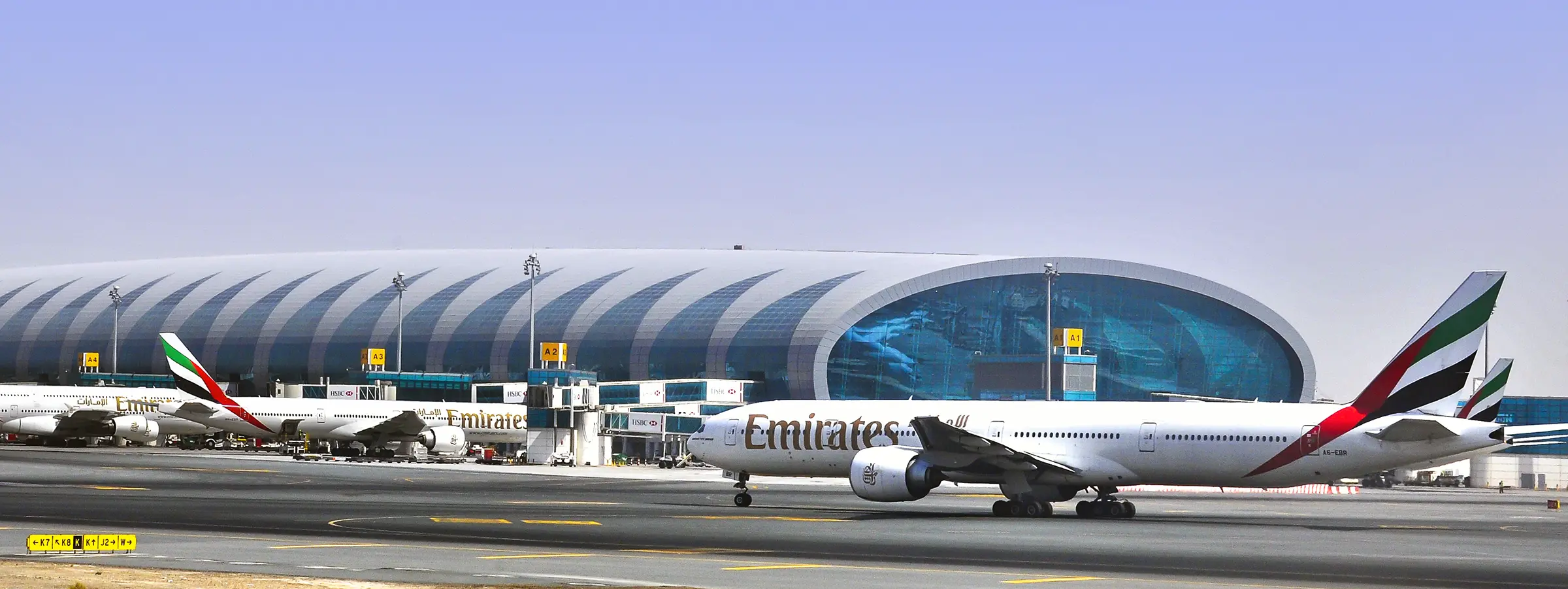
An infographic explaining some basic concepts about air routes – the "motorways of the sky" – whose design and regulation help make air traffic one of the most strictly regulated and safest activities.
Flying a plane is generally perceived as being much more difficult than driving a car, for example. Apart from the complexity involved in aeronautical knowledge and the mandatory protocols required for flying, this perception stems from the fact that there are no landmarks in the air, unlike on any given road. However, this is not entirely true.
In the early days of aviation, flights were visual navigation. This means that pilots navigated by identifying everything they could see on the ground (towns, farms, rivers, coastlines, hills, etc.). The problem arose when adverse weather conditions or lack of light could prevent flights from taking place by rendering all those landmarks invisible.
Over time, pilots gained access to physical tools, technical systems and navigation methods that enabled them to determine their position and orientation in the air. Against this backdrop, routes, rules and procedures were established that set out in detail how to travel from one point to another. All of this was recorded on aeronautical charts. And they continue to do so today.
In fact, even though we cannot see them, there are clearly defined routes and very specific flight rules up there to ensure that aircraft can fly safely. These air routes or airways, as they are known, are very wide and spaced well apart to allow for a sufficient safety margin. Before commencing a route, pilots must agree their flight plan with air traffic controllers, specifying exactly which airways they will use and which control points they will cross. If everything is in order, they receive the necessary clearance and can begin the flight. Thereafter, a team of professionals will monitor to ensure that the aircraft remain within the authorised routes.
This infographic explains some of the concepts that help make flying one of the most heavily regulated and safest activities.
Topics related to this infographic: Aviation and Flight control systems