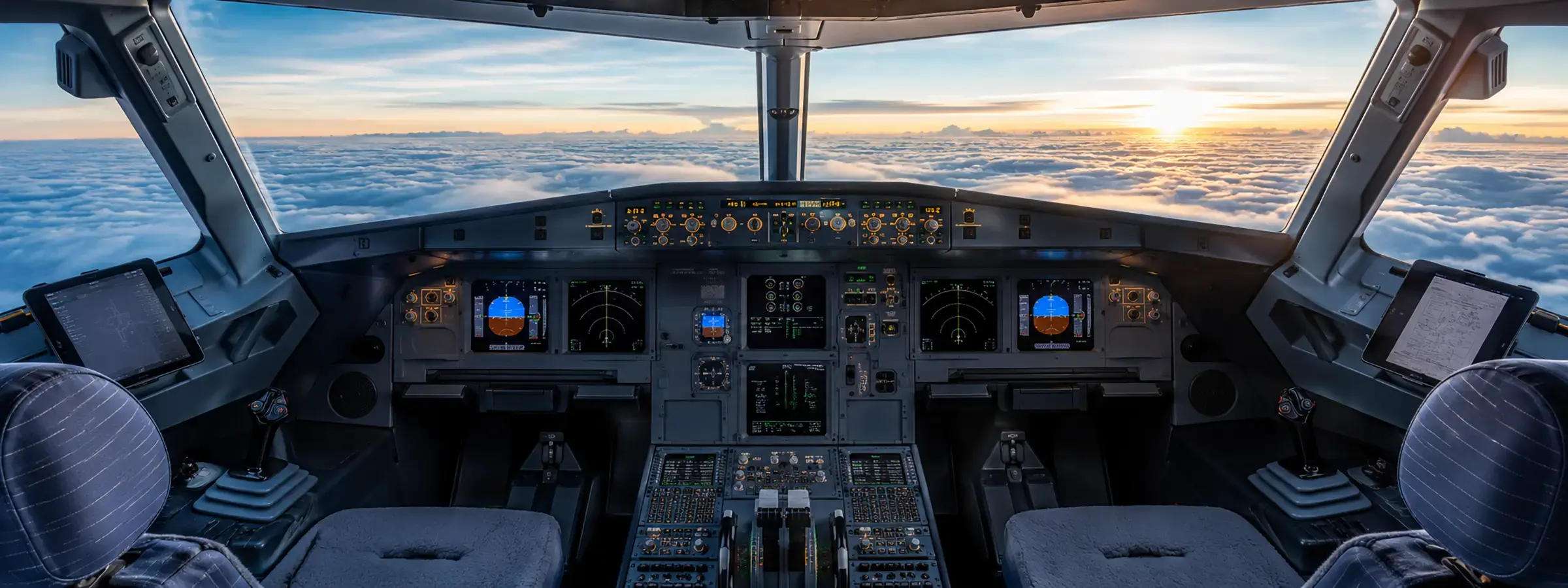
AERTEC will be responsible for the remote interface unit in SAETA II, the autonomous electronic system that collects, processes and converts signals from the aircraft’s sensors
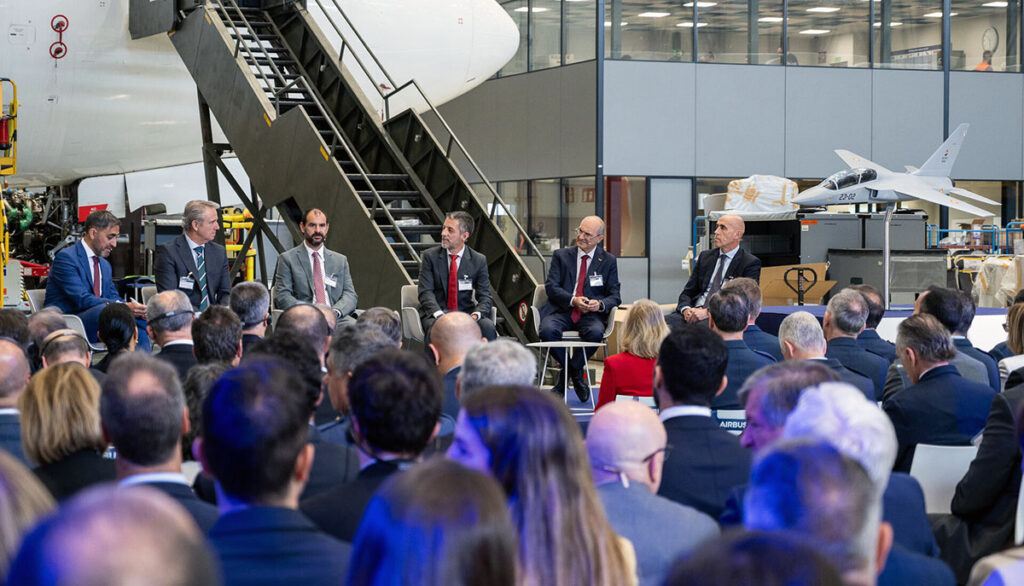
This week we took part in the joint presentation by the Ministry of Defence, Airbus and Turkish Aerospace Industries (TAI) of the Integrated Combat Training System (ITS-C), a programme designed to replace the Spanish Air and Space Force’s ageing F-5 fleet with a solution based on the Hürjet and a comprehensive ecosystem of simulation, training and logistical support.
Pedro Becerra, Director of Aerospace and Defence Systems at AERTEC, , took part in the introductory panel discussion, where he emphasised that “at AERTEC, we develop certified products for aeronautical systems whilst retaining full ownership. We focus on dual-use technology and solutions designed for international programmes and clients, which we offer and adapt to this type of national programme. In doing so, we provide a high degree of autonomy to achieve technological sovereignty in various areas of defence.”
This initiative is not simply about replacing an aircraft, but about redefining the way fighter pilots are trained. To this end, the system will incorporate tools that will enable the training of procedures, tactics and responses to threats in a mixed environment, thereby reducing costs and increasing the availability of training.
AERTEC will be responsible for the remote interface unit, the stand-alone electronic system that collects, processes and converts signals from the aircraft’s sensors.
The core of the air force will consist of 30 units of the new advanced trainer aircraft, which has already been officially named Saeta II in Spain; this is the version of the Hürjet that will undergo a process of ‘localisation’ and adaptation to national requirements.
Saeta II is thus the centrepiece of a much broader ecosystem: the Integrated Combat Training System (ITS-C), which includes simulators, training centres, mission software and maintenance services at the Talavera la Real base.
One of the cornerstones of the programme is its industrial dimension. The involvement of Spanish companies aims to strengthen technological sovereignty and ensure that a significant proportion of the knowledge, maintenance and future development of the system remain in Spain.
Airbus, the prime contractor, has argued that the aim is to create a state-of-the-art combat training system with a strong domestic component, capable of generating skilled jobs and consolidating a specialised supply chain. The plan therefore provides for extensive Spanish industrial involvement, with at least 14 companies involved in various subsystems relating to avionics, mission systems, training, audio, simulation and mission recording.
The Spanish Air and Space Force will take delivery of 30 Hurjet aircraft between 2028 and 2031, with an option to purchase a further 15. The first aircraft, from a batch of 21, will arrive in 2028 and will be assigned to No. 23 Wing at Talavera la Real Air Base (Badajoz), so that, once the instructors have completed their training, the first course in which students will fly the SAETA II will begin in September 2029.