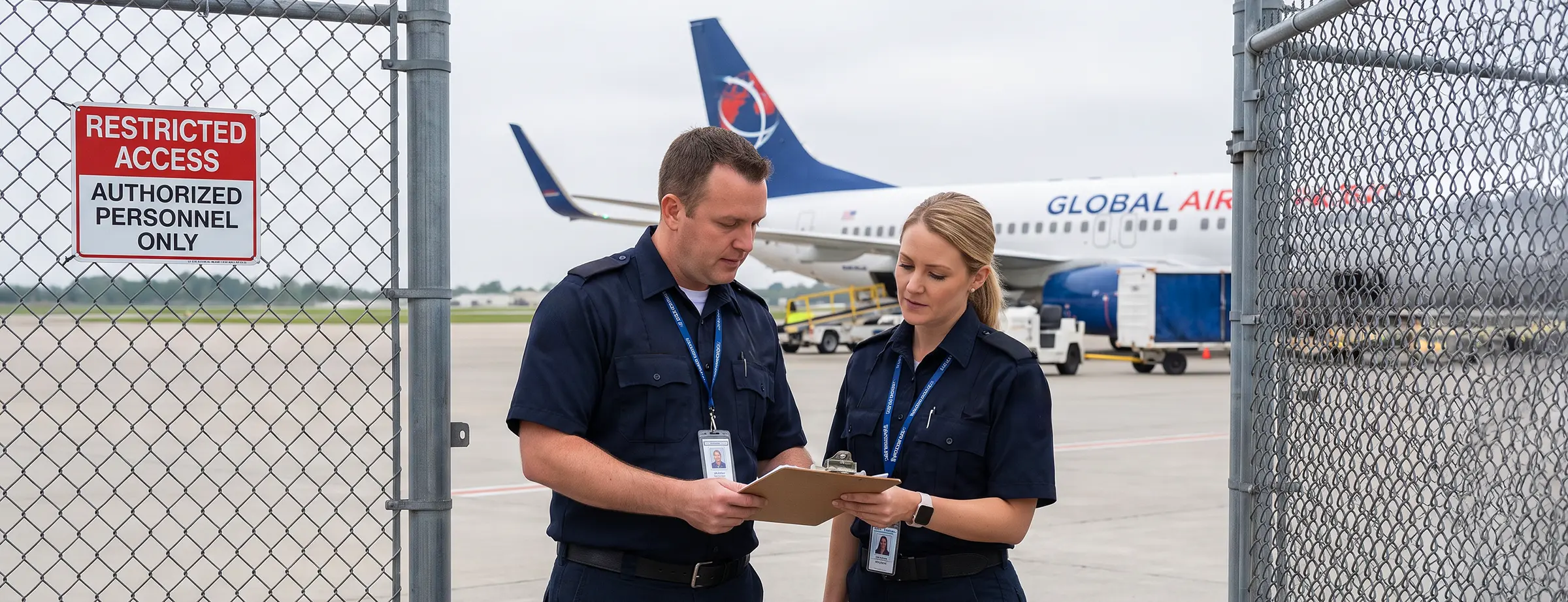
Airport security is a shared responsibility: AVSEC training is a key element in preparing professionals to prevent risks, protect restricted areas, and work more safely in the airport environment.
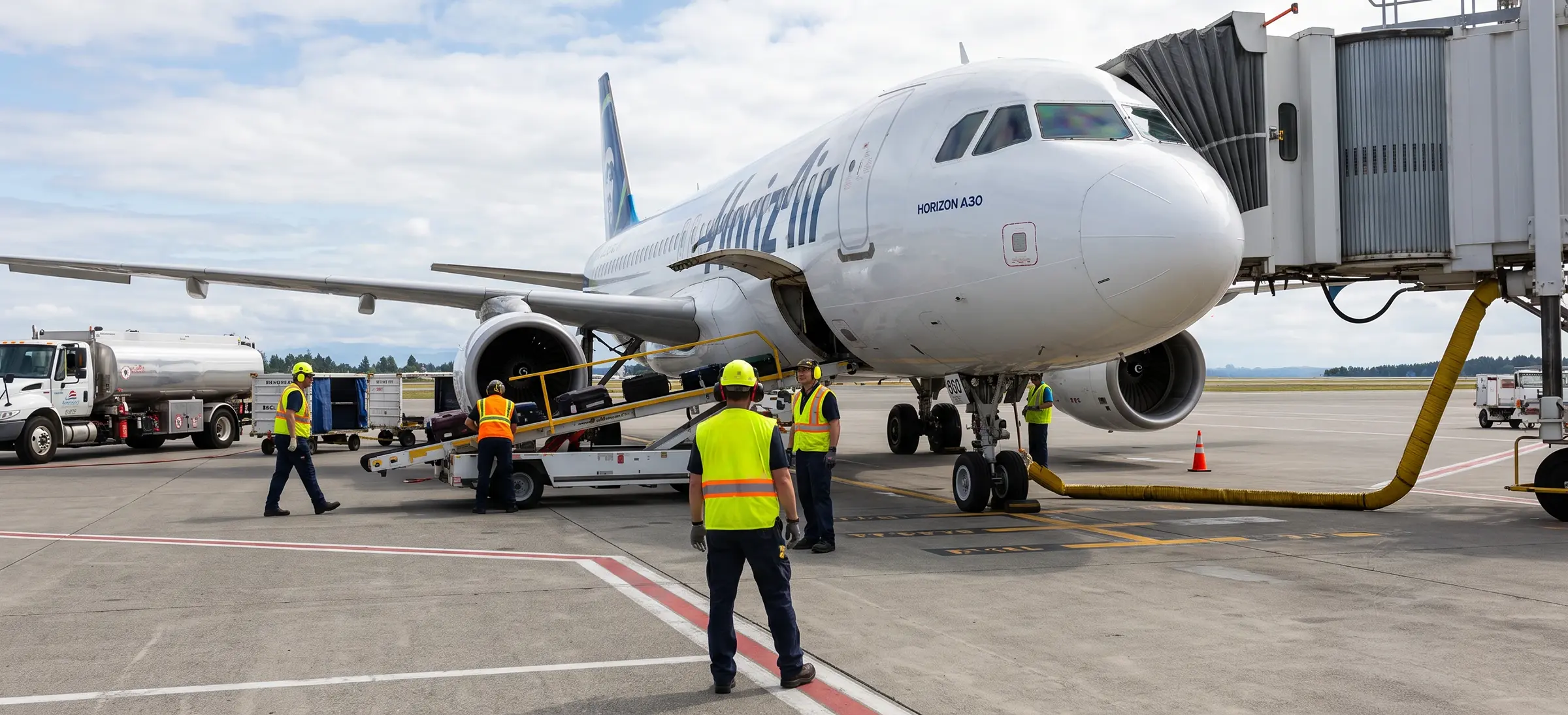
An airport is much more than a passenger terminal. In the same environment, aircraft, passengers, goods, vehicles, and professionals from very different organizations coexist. Each access, each accreditation, and each procedure are part of the same security chain.
In that scenario, a door that remains open, an accreditation used incorrectly, or unauthorized access can generate relevant risks. Therefore, airport security is not based solely on technology or security controls: it also depends on the everyday decisions of the people who work at the airport.
This is where AVSEC comes into play, an acronym for Aviation Security, which encompasses measures designed to protect civil aviation from acts of unlawful interference. Its objective is to prevent threats such as sabotage, unauthorized access, or the introduction of weapons and explosives, as well as other actions that could compromise the safety of air transport.
It is important to differentiate AVSEC from Safety. While AVSEC focuses on protection against acts of unlawful interference, Safety is oriented towards preventing operational accidents. Both disciplines are complementary within the airport activity.
Who needs AVSEC training?
One of the most common mistakes is to think that the AVSEC training only affects security personnel. However, it can be mandatory for numerous professionals who need access to certain areas of the airport.
These include maintenance, engineering, handling, cleaning, logistics, catering, ground assistance, construction and auxiliary companies with access to restricted security areas.
What competencies does AVSEC training provide?
The goal of the AVSEC training is not just to pass a course. It seeks to develop skills that enable you to work safely and understand how individual actions can affect the overall operation of the airport.
Key competences
- Knowledge of the basic applicable regulations.
- Correct use of credentials and access control procedures.
- Identification of prohibited items and suspicious behaviors.
- Communication and incident reporting procedures.
- Protection of restricted security zones.
- Situational awareness and preventive culture.
The human factor as the first line of prevention
Airport security is also built on everyday decisions. Leaving a door open, granting an accreditation, not verifying an identity, or assuming that another person has already done a check are seemingly minor actions that can lead to risks.
The AVSEC training aims to reduce these situations by strengthening individual responsibility, situational awareness, and communication between the various professionals working at the airport.
Previous knowledge in AVSEC can add value to the profile of those seeking to join the airport environment. In addition to facilitating integration into certain positions, it demonstrates commitment to safety, the ability to work in regulated environments, and a willingness to comply with procedures.
These competencies are particularly relevant in a sector where continuous training is part of professional development.
The role of continuous training
Threats evolve, procedures are reviewed, and regulations are updated periodically. Therefore, AVSEC training should not be understood solely as a one-time requirement, but as part of an ongoing process of updating and strengthening the safety culture.
In parallel, AVSEC knowledge can provide context for those who join the airport environment, especially when their roles are carried out in regulated spaces subject to specific procedures. In these cases, knowing the basic safety requirements in advance can facilitate understanding of the work environment and the responsibilities associated with the position.
The accreditation is only the starting point
The formation of AVSEC takes on its true meaning when translated into safe behaviors, compliance with procedures, and the ability to recognize and communicate situations that may affect the airport environment. In a system where multiple organizations and professional profiles are involved, safety depends on each link knowing their responsibilities and acting in a coherent manner with the whole.
Key related topics: Aviation and Operational Assessment