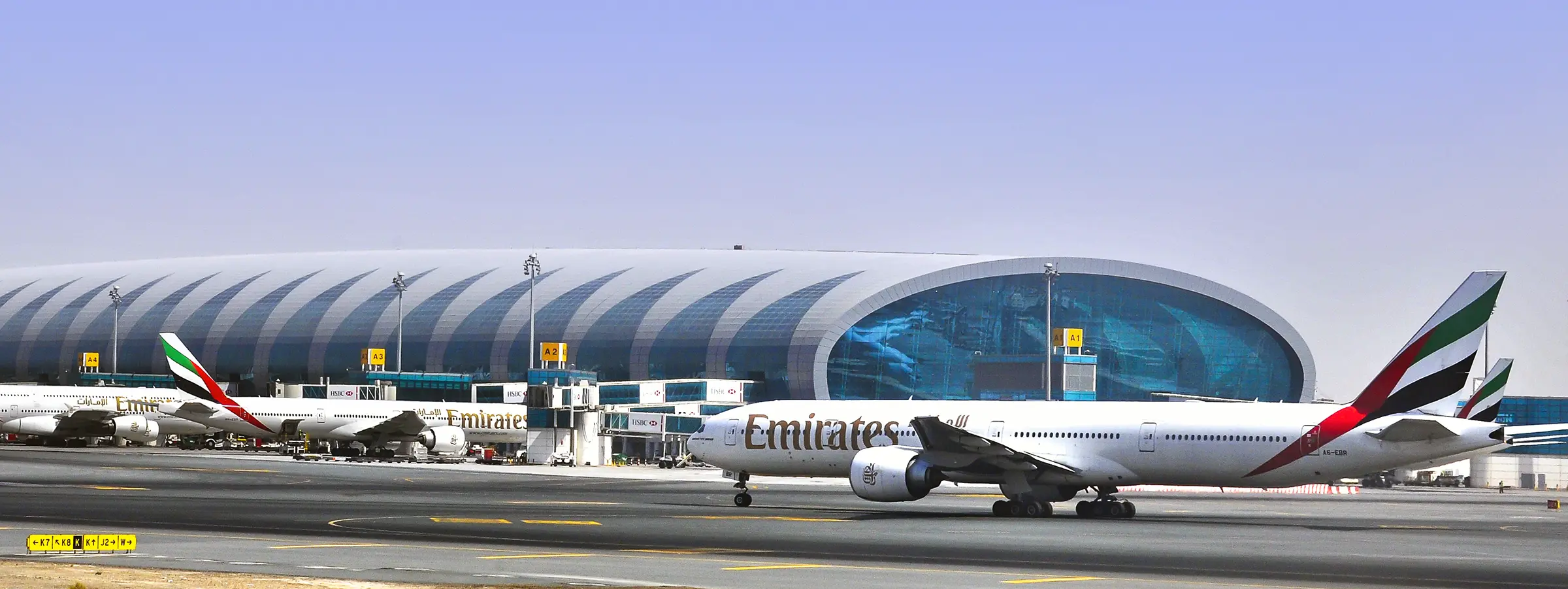
Working in restricted areas of an airport demands much more than just a pass: it requires training, a sense of responsibility and a thorough understanding of airport security.
Access to certain areas of an airport is subject to specific controls and requirements, which serve a fundamental purpose: to protect critical infrastructure and ensure that operations can be carried out safely. For technical, maintenance or engineering staff who need to work on the airside, obtaining access authorisation involves meeting a set of administrative, regulatory and training requirements.
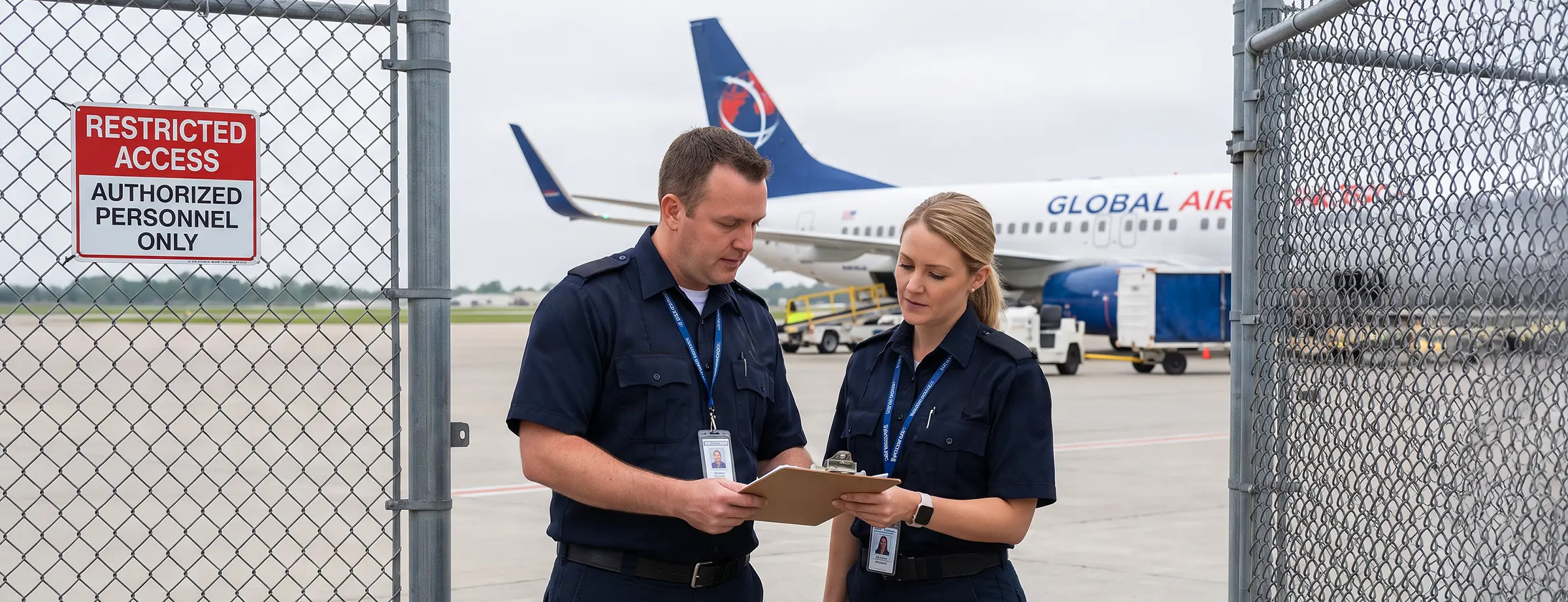
The airport distinguishes between areas open to the public and areas subject to enhanced security controls. The latter include Security Restricted Areas (SRAs), which are particularly sensitive areas where any breach could compromise civil aviation security.
Land Side, Air Side and Restricted Security Areas
The airport environment is essentially divided into two main areas of activity, distinguished by their security levels. The Land Side is freely accessible to the general public, whilst the Air Side is subject to strict security controls. The ZRS form part of this second area and are subject to some of the most stringent access requirements.
For those who need to work in these fields, access is not immediate. It requires compliance with the relevant regulatory framework, passing the necessary checks and specific training in security and safety.
What regulations govern access to restricted areas at an airport?
Airport security is structured around an international regulatory framework. At the top of this framework is the International Civil Aviation Organisation (ICAO), whose Annex 17 to the Convention on International Civil Aviation is devoted to the security of civil aviation.
At European level, this framework is set out in Regulation (EC) No 300/2008, which lays down common rules for civil aviation security, and Implementing Regulation (EU) 2015/1998. This body of legislation sets out how security restricted areas must be protected, who may access them, and what training each professional role must receive.
In Spain, the implementation and oversight of this framework are the responsibility of the State Aviation Safety Agency (AESA), in collaboration with the Ministry of the Interior and the National Civil Aviation Security Programme (PNS).
Requirements for access: accreditation and background checks
Obtaining an airport ID card or security pass is the first administrative step for any professional who needs access to these areas. However, accreditation is subject to a prior staff screening process known as a Security Background Check.
This process assesses, in accordance with the framework set out in the reference text, various aspects relating to the applicant’s identity, background and suitability:
- The applicant’s identity, as certified by official travel or identity documents.
- Criminal record, with an official certificate from the countries of residence over the last five years.
- Suitability criteria, based on an assessment by the competent authorities to rule out any links to extremist or terrorist activities.
The aim of this analysis is to ensure that individuals granted independent physical access to critical areas do not pose a potential risk to airport infrastructure.
Compulsory security training: understanding and protecting the airport environment
Once the background check has been passed, access to a ZRS also requires proof of knowledge in the field of aviation security. The reference document specifies that compulsory training in Civil Aviation Security Awareness is required here, in accordance with training standard 11.2.6 of the European regulation.
This training enables staff to understand their role within the airport security system. The main topics covered include:
- Knowledge of the relevant regulations and the basic organisation of airport security.
- Access control systems, types of passes, the holder’s obligations and the prohibition on granting access to third parties, including tailgating or piggybacking.
- Identification of weapons, explosive substances and other restricted or prohibited items.
- Procedures for reporting abandoned luggage, suspicious behaviour or incidents involving perimeter fencing systems.
Why is safety training also necessary?
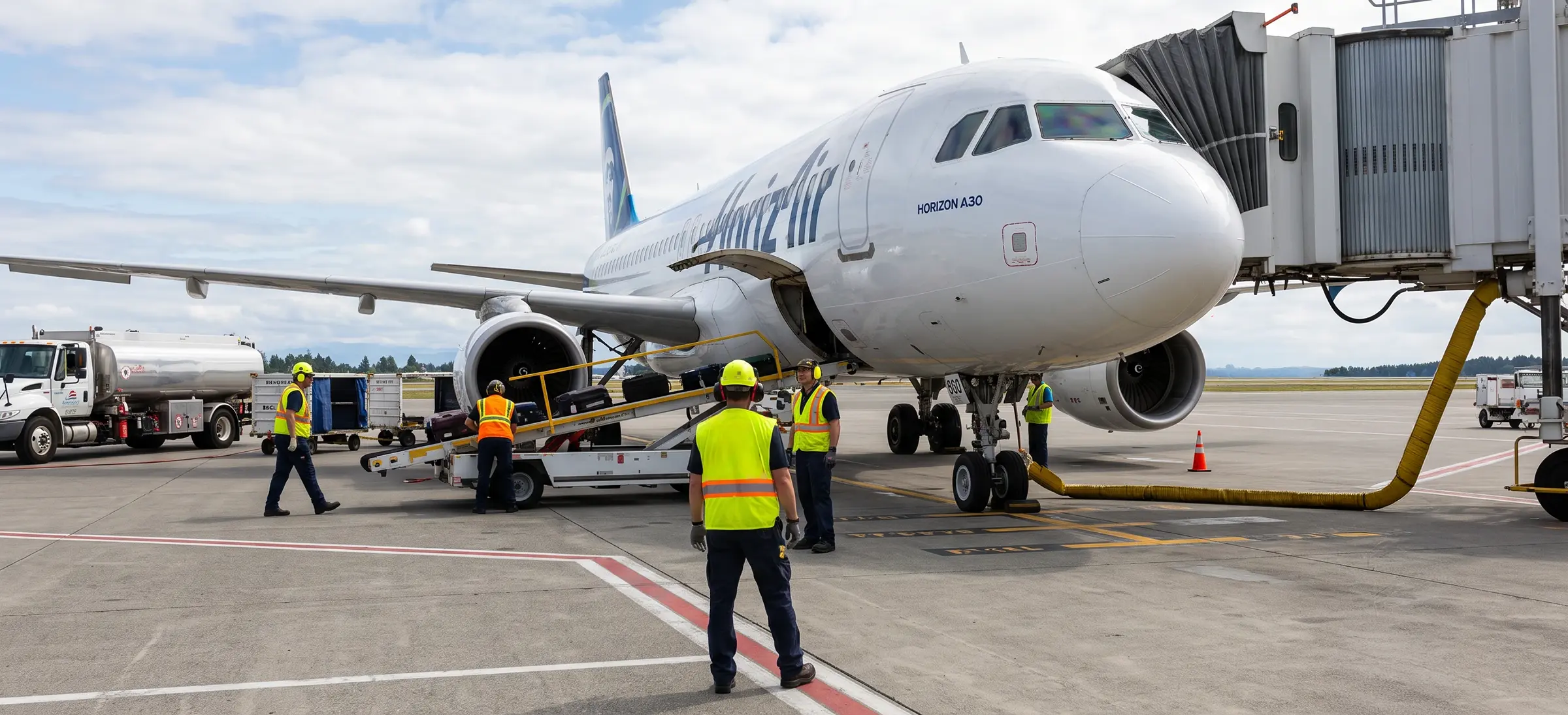
Where a person’s professional duties involve moving around or working in areas where aircraft are in motion – such as aprons, taxiways or runways – security training must be supplemented by safety training.
The difference is fundamental: whilst ‘Security’ is aimed at protecting aviation against deliberate acts, ‘Safety’ focuses on preventing accidents and operational risks.
This training may be required to obtain Platform Driving Accreditation (PCP) when operating vehicles, as well as to establish operational safety instructions applicable to pedestrians.
The risks addressed include:
- FOD (Foreign Object Debris): the identification and removal of objects or debris that could be sucked into an aircraft’s engines or cause damage to the tyres.
- Hazards associated with engines, such as jet blast and suction, whilst maintaining safe distances from aircraft and observing the instructions on their warning lights.
- Signage and road markings, to indicate equipment restrictions, safe pedestrian routes and areas where access is subject to authorisation.
Gaining access to restricted areas of an airport is not merely an administrative formality. It is an authorisation directly linked to the protection of the infrastructure and the safety of operations. Engineers, fitters, technicians and consultants working in these areas become an active part of the airport security chain.
For this reason, combining appropriate background checks with rigorous and ongoing training in security and safety is essential for working safely in the airport environment and contributing to the operational resilience of air transport.
Key topics related to this post: Airport Operations Consultancy and Management