Analysing the carbon footprint of transport requires moving beyond simplistic approaches and addressing a complex reality involving multiple technical, operational and systemic variables.
In the case of air travel, the debate over its carbon footprint tends to focus on direct emissions, particularly during the flight phase. However, this narrow focus does not accurately reflect its true impact, nor does it allow for rigorous comparisons with other modes of transport.
The carbon footprint encompasses the total greenhouse gas emissions associated with an activity, both direct and indirect. In aviation, this involves considering the entire life cycle of the system:
- aircraft design and manufacture
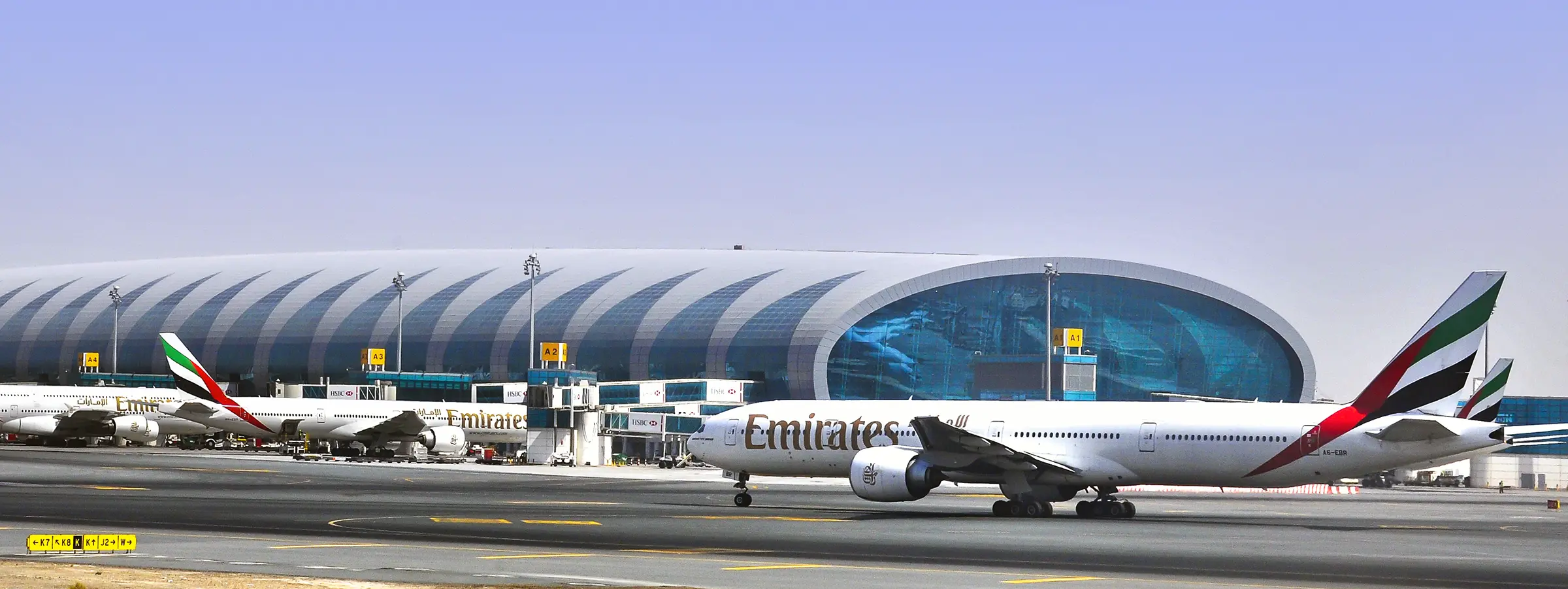
- construction and operation of airport infrastructure
- fuel production and supply
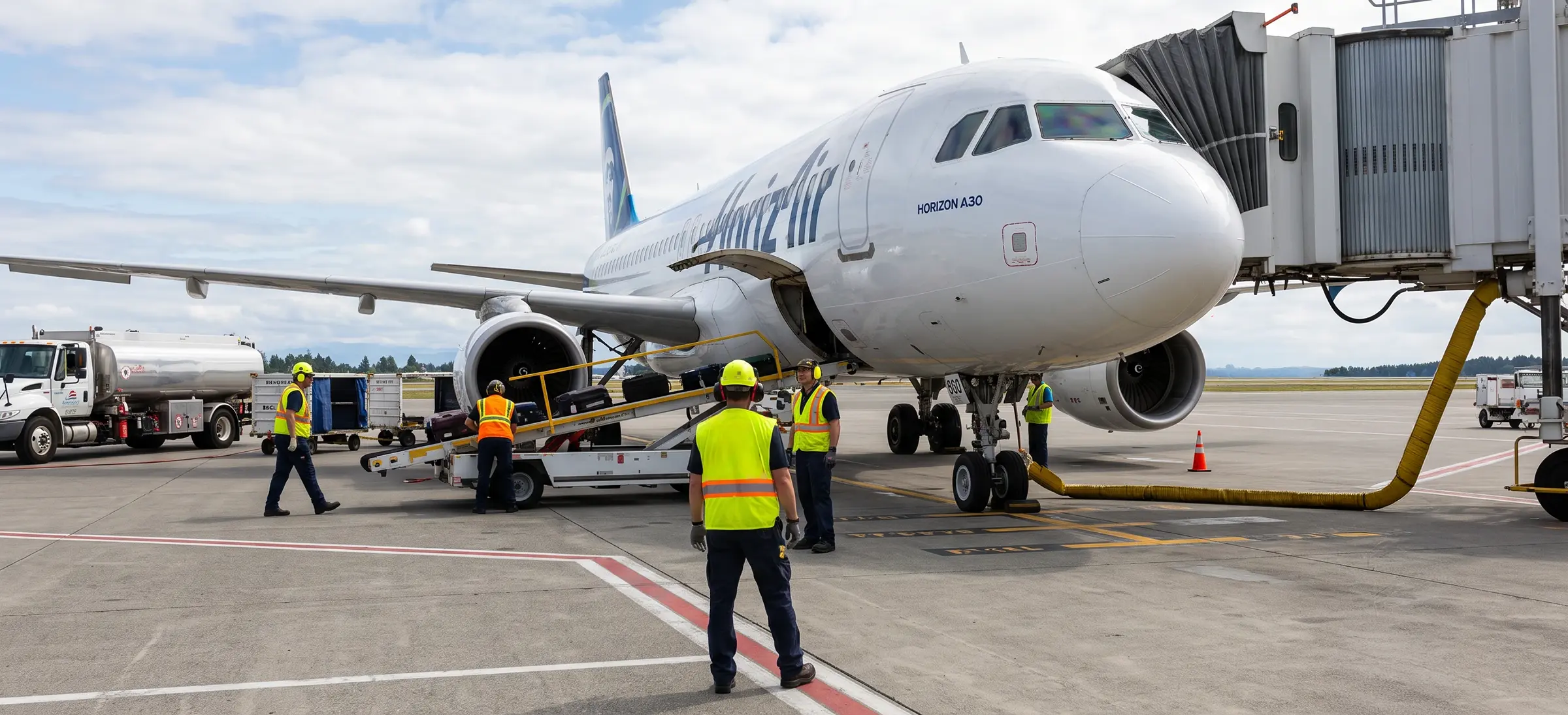
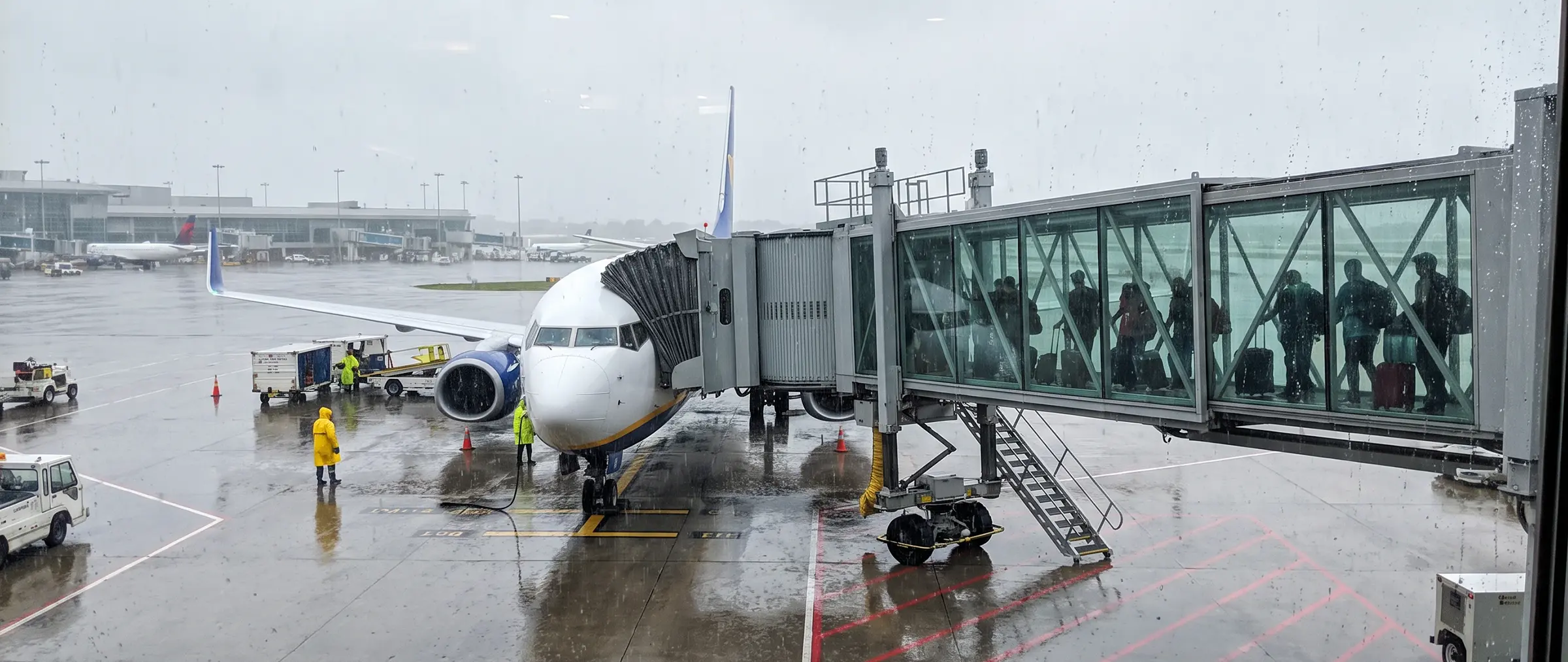
- ground and in-flight operations
This life-cycle approach introduces a critical variable: the impact does not depend solely on fuel consumption, but on a whole ecosystem of interrelated processes.
The quantification of the carbon footprint should be broken down into three categories (direct, energy-related and indirect), thereby enabling the capture of all emissions associated with aviation, or any other transport-related activity.
In this context, factors such as flight occupancy, fleet efficiency, route optimisation, or airport energy mix significantly condition emissions per passenger.
For example, a new-generation aircraft with high passenger load factors can significantly reduce its impact per passenger-kilometre, whereas operational or infrastructural inefficiencies increase it.
Comparing aviation with other modes of transport without a standardised framework leads to oversimplified conclusions. Variables such as distance, demand density and load capacity significantly alter the results.
On the other hand, for medium- and long-haul journeys, where there are no viable alternatives in terms of travel time and capacity, air transport plays a structural role that must be assessed on the basis of overall efficiency, not merely absolute emissions.
The aviation sector operates in an increasingly demanding environment in terms of sustainability, with regulatory frameworks that promote the measurement, reduction and offsetting of emissions, as well as the development of sustainable aviation fuels (SAF) and improvements in operational efficiency.
All stakeholders involved in development and operations within the aviation sector have made a commitment to moving towards carbon neutrality through the gradual implementation of solutions such as sustainable aviation fuels (SAF), improvements in operational efficiency and the development of new technologies. In this context, various industry initiatives and innovation programmes set the target for net-zero emissions at around 2035 for certain operations and segments, reflecting a demanding roadmap that is nonetheless aligned with global decarbonisation targets.
The carbon footprint of aviation is not determined by a single factor, but rather by the interaction between technology, operations, infrastructure and demand. Reducing it therefore requires a comprehensive approach that combines technological innovation, operational optimisation and strategic planning.
In this context, sustainability in air transport cannot be viewed as an isolated challenge, but rather as an ongoing process of improvement within a highly interconnected global system.