To approach the subject, it is first necessary to understand what a gyroscope is, as the physical fundamentals of a gyroscope are equivalent to those present in a gyroscopic table.
A gyroscope is nothing more than a disc or wheel that is free to rotate so that the axis of rotation can assume any orientation by itself. When rotating, the orientation of this axis is not affected by the tilt or rotation of the other disks making up the gyroscope, in accordance with the conservation of angular momentum.. Because of this, gyroscopes are useful for measuring or maintaining a certain orientation.
Having a gyroscopic table can make all the difference in reducing development times and increasing reliability in aeronautical developments.
Thanks to this particular physical characteristic, it is nowadays an element present in most of the electronic devices we use on a daily basis, be it our smartphones, the car we just got from the dealership, or the latest action camera with which we recorded ourselves last week in a thrilling kart race.
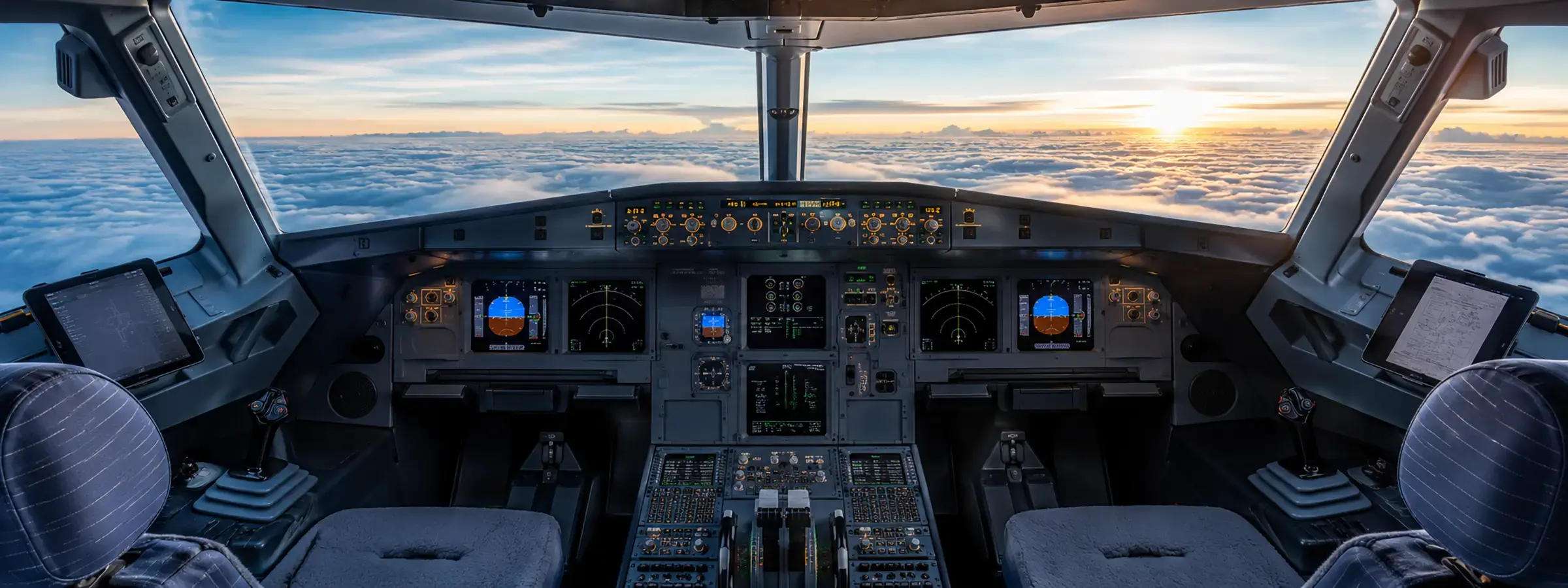
But what does all this have to do with aeronautics? Well, a lot, more than a lot, it has become an indispensable device for the airworthiness of any current aircraft, whether manned or unmanned, to be able to know the aircraft's attitude at all times, and to be able to make decisions about it, its reliability and precision being a much more relevant factor when we talk about unmanned aircraft (RPAS), as the control system depends on the data that these small sensors provide.
At this point, the great capabilities of the physical phenomena behind these devices can be seen in greater perspective, But what if we turn the applicability of this extended sensor on its head? for that is precisely what is intended by the use of gyroscopic tables, use gyroscopic effect to make this particular system a sensor of sensors.
The idea is to control the orientation given to the main axis of the tableThe orientation of the sensor will change according to the device we place on the surface of the test disc or platform. This makes it possible to monitor the response to changes in the orientation of any system or sensor on the table, and to check the accuracy and correct functioning of these.
For the testing of aeronautical sensors, it is not sufficient to simply use a 2-axis table, because in flight it is necessary to know the orientation in all 3 coordinate axes.
For all these reasons, we are convinced that having a gyroscopic table can make the difference in reducing development times and increasing reliability in the generation of standardised test results for the different sensors we work with on a daily basis.