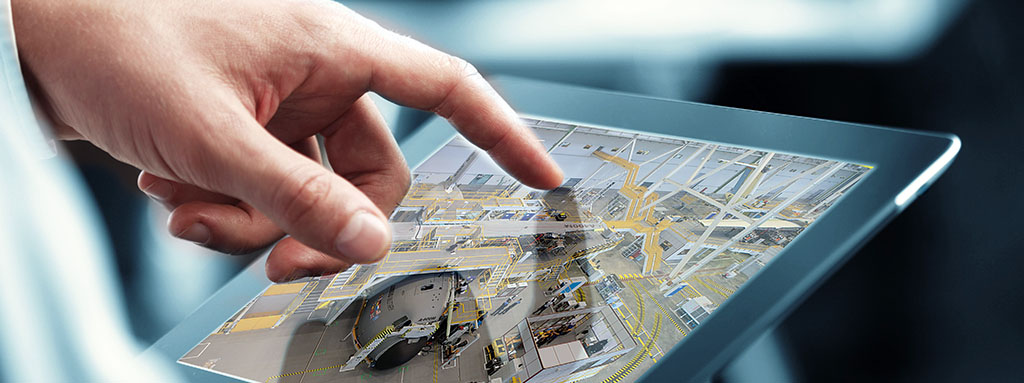
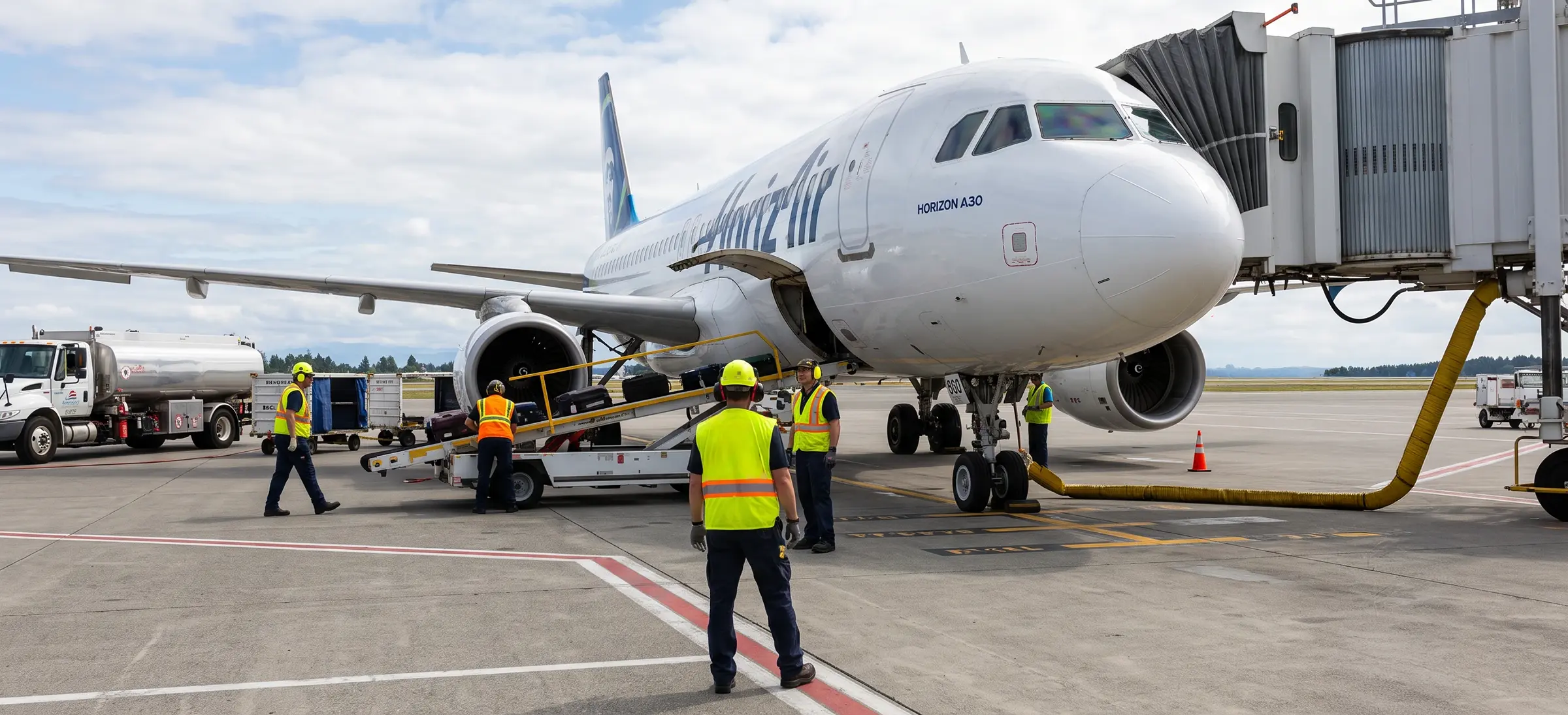
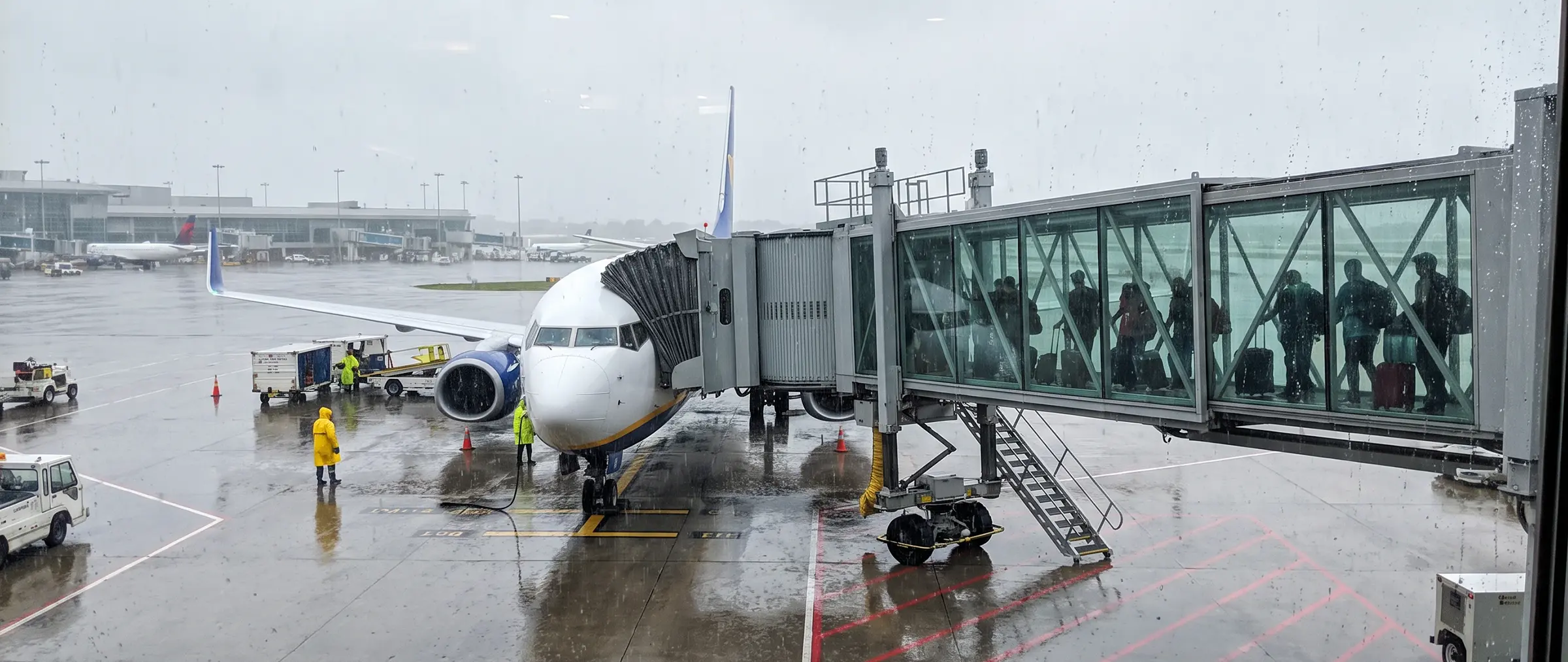
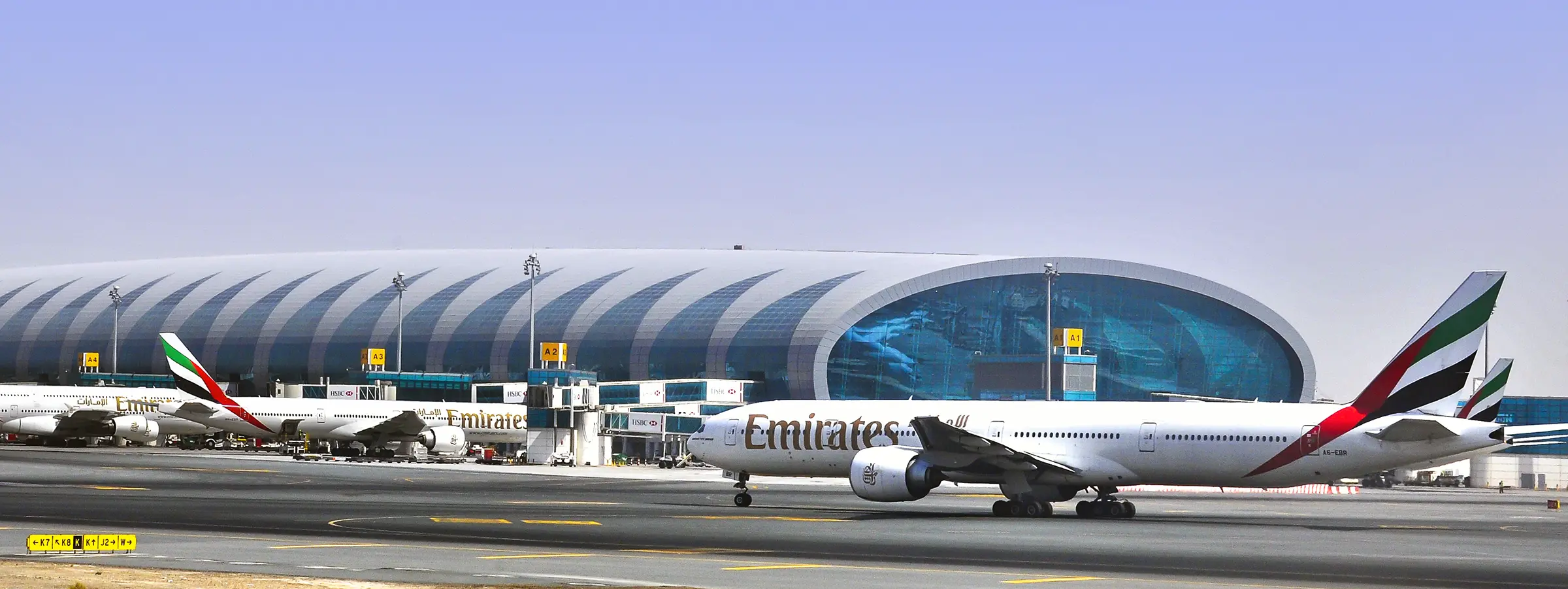
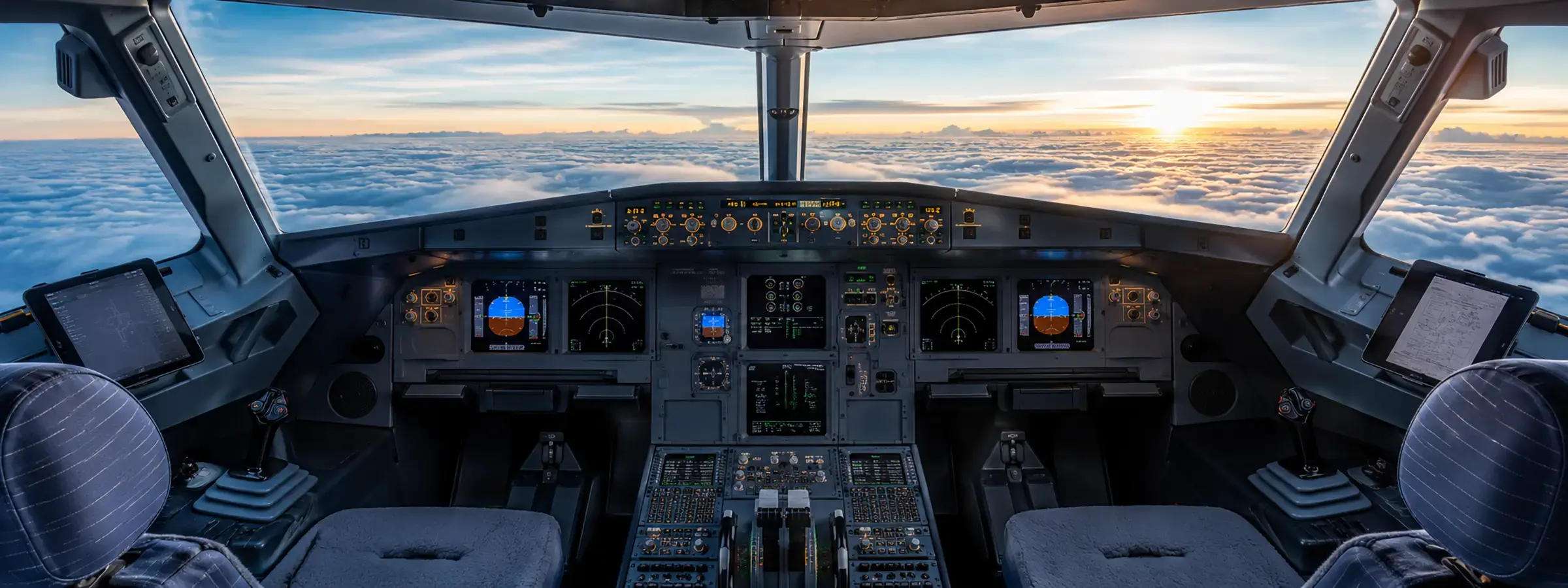
The aerospace sector It is the paradigm of the most advanced and technological industry. This is how, at least, it is considered among most people. And although it is true that in this sector innovation is almost permanent, there is still a large volume of tasks that are eminently artisanal. One of the great challenges is precisely the appropriate use of technology.
The virtual world and the real world are not separate, but rather they merge to align people, favouring communication, information transfer, and collaboration.
Digital transformation refers to A change in business models, in which technology serves as an accelerator to improve the way companies develop their products and services.
Digital transformation isn't about having technology, but rather understand how customer-focused technology can help with both customer acquisition and the fulfilment of their expectations, allowing value to be added to products and efficiency to processes.
For digital transformation to be possible, people must be able to To understand technology and make proactive use of it of her.
In this new model, the workload will also evolve, as there will be more tasks requiring greater intellectual effort, such as controlling automated processes, handling information, interacting with data visualisation screens, etc., to the detriment of predominantly muscular work. Therefore, in this new production model, we must To empower people to be motivated with the use of technology and the search for increasingly healthy workplaces at all levels.
The virtual world and the real world are not separate, but rather they merge to align people, favouring communication, information transfer, and collaboration.
Businesses are increasingly connected and generate and manage greater volumes of information. To help with these tasks, Information and Communication Technologies (ICT) tools emerge, such as:
- ERPFor Enterprise Resource Planning. They integrate and centralise different productive and operational aspects.
- Product Lifecycle ManagementFor product lifecycle management. It focuses on the product, from its conception to its disposal.
- SCMFor supplier management. Plans, executes, and controls supply chain operations.
- CRMFor commercial administration. Manages customer relations.
- MESFor the optimisation of production processes. Directs and monitors production processes in the plant.
In terms of ICT tools, the aim is for them to become increasingly:
- Friendly and intuitive
- Integrated with the other systems
- Mobile phones
- In real time
- Gifted with intelligence
We are facing an increasingly digital environment, where in the domestic sector it is increasingly common to consult information or buy online using mobile devices, such as smartphones or tablets. The service sector, where waiters take notes with tablets, or fast-food chains in which orders are placed via touch screens. The industrial sector is already beginning to adapt to this new transformation, foreshadowing a digital future for industry, in which organisations will have to promote the development of these skills among their professionals.