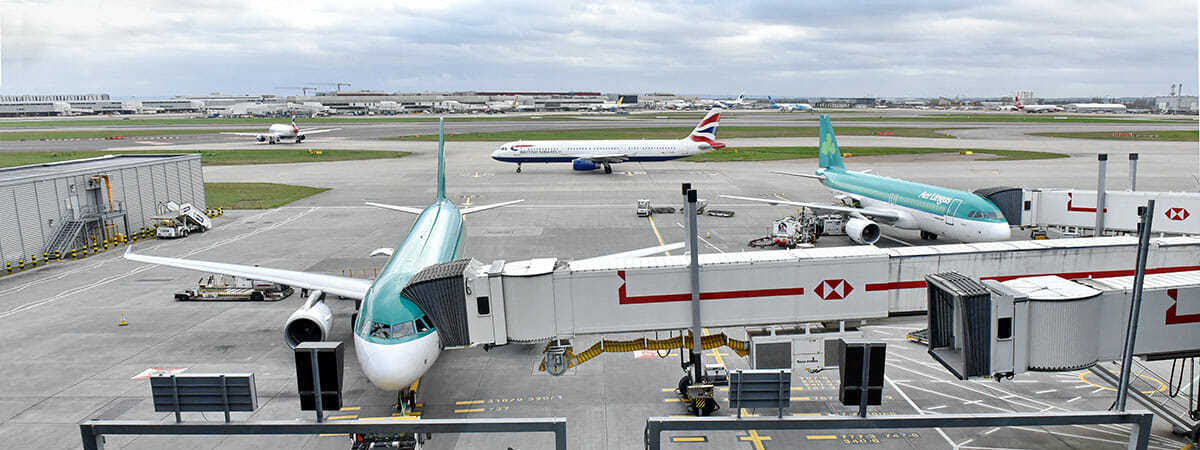
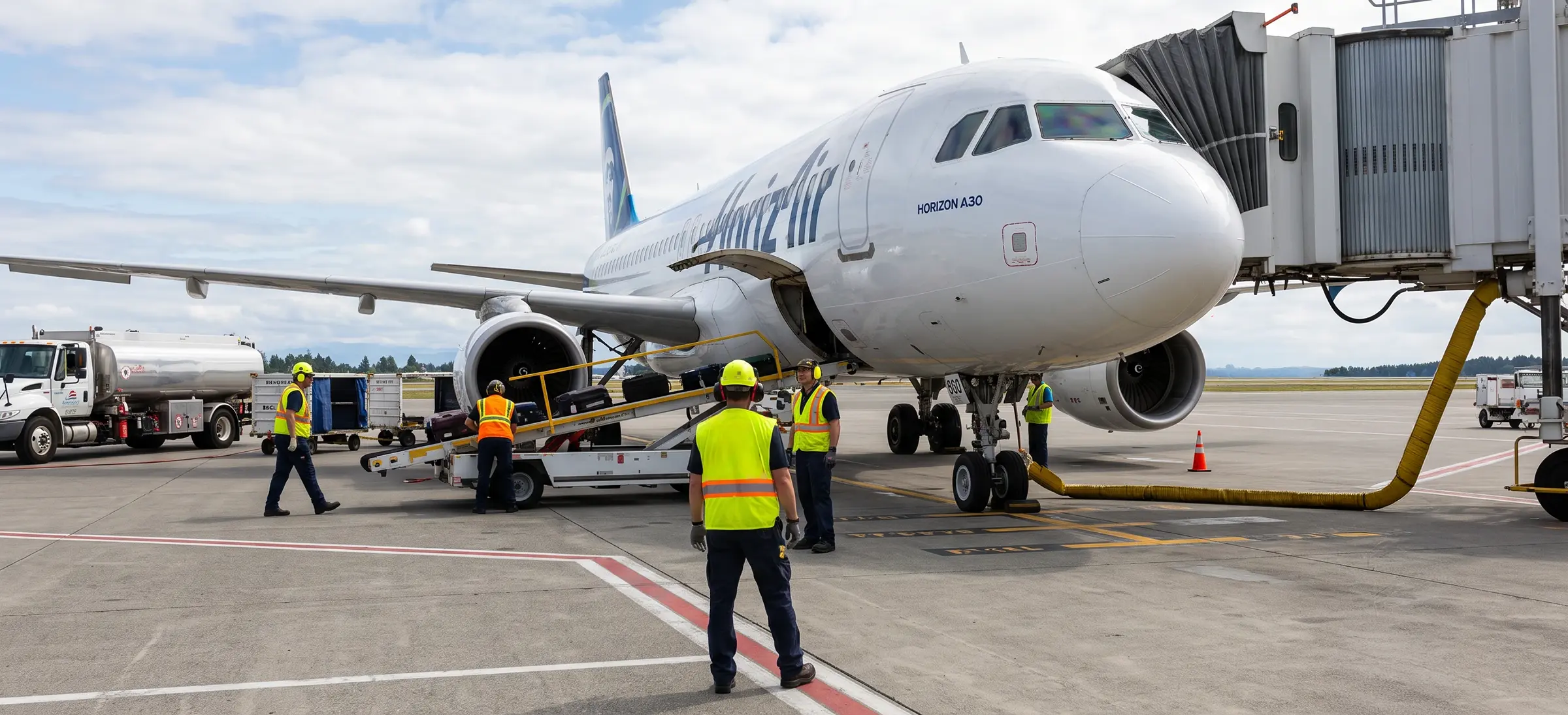
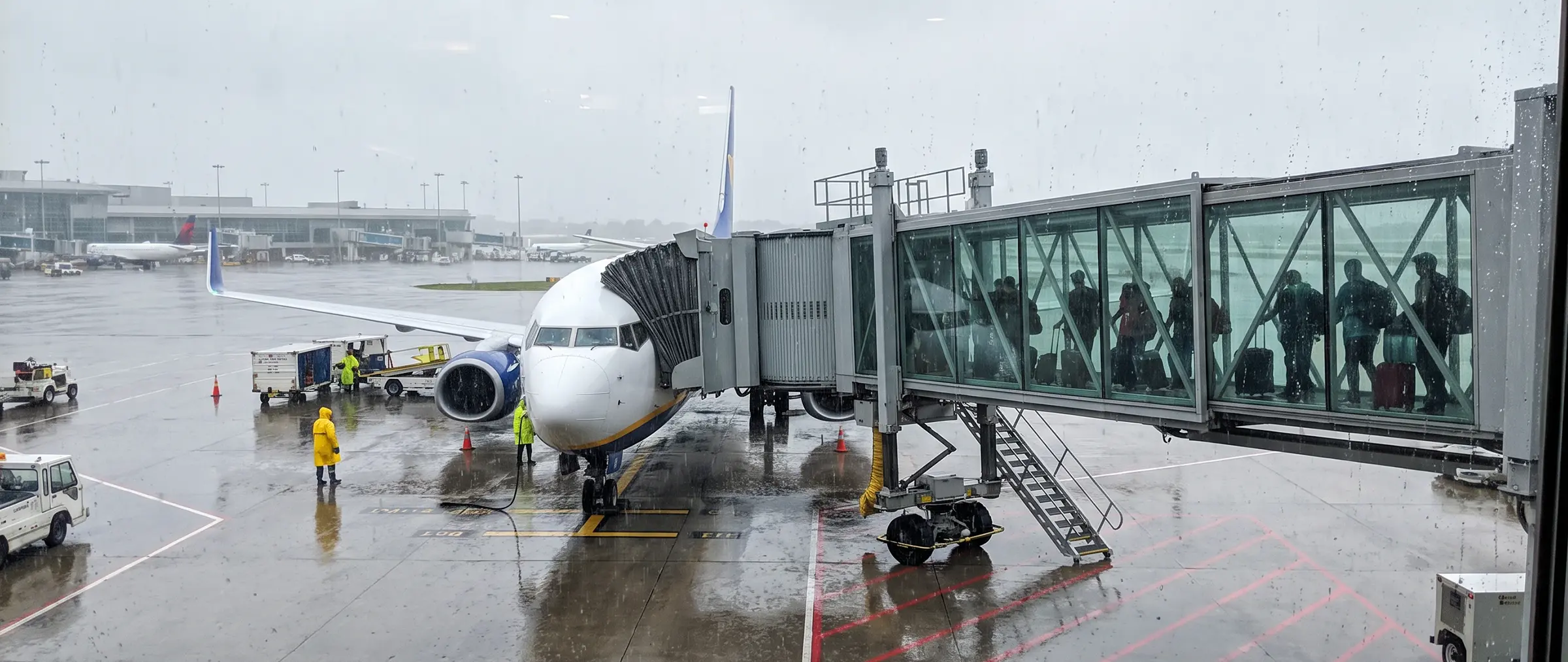
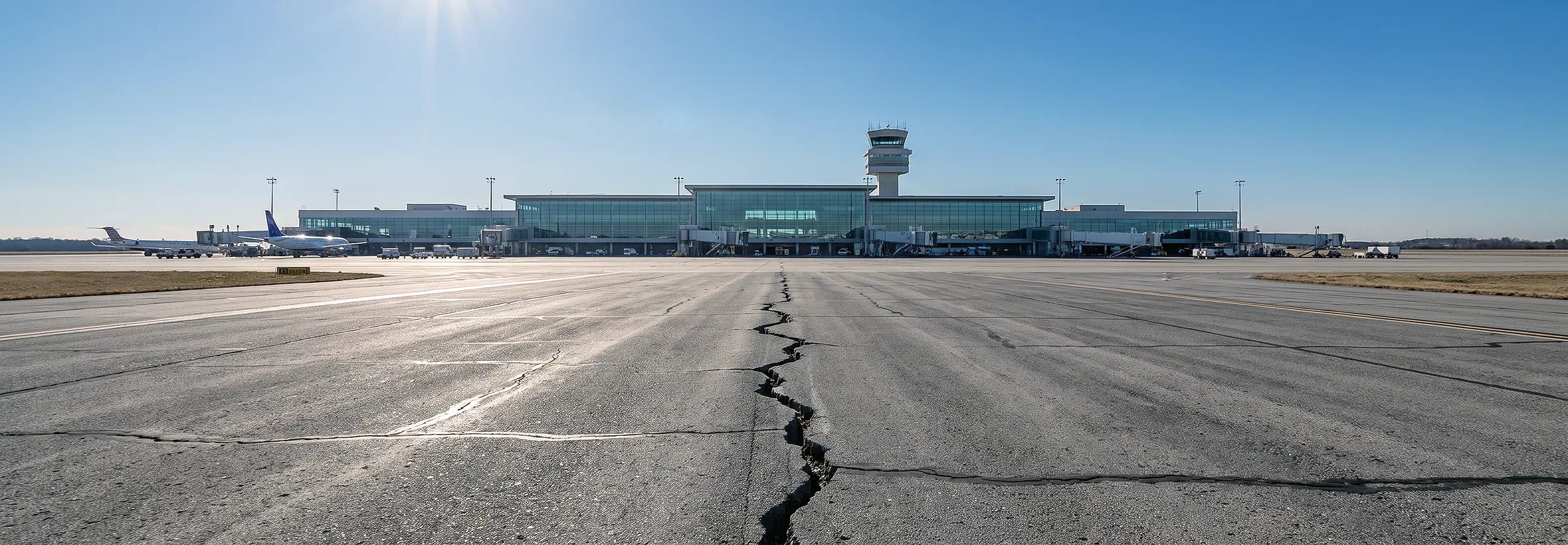
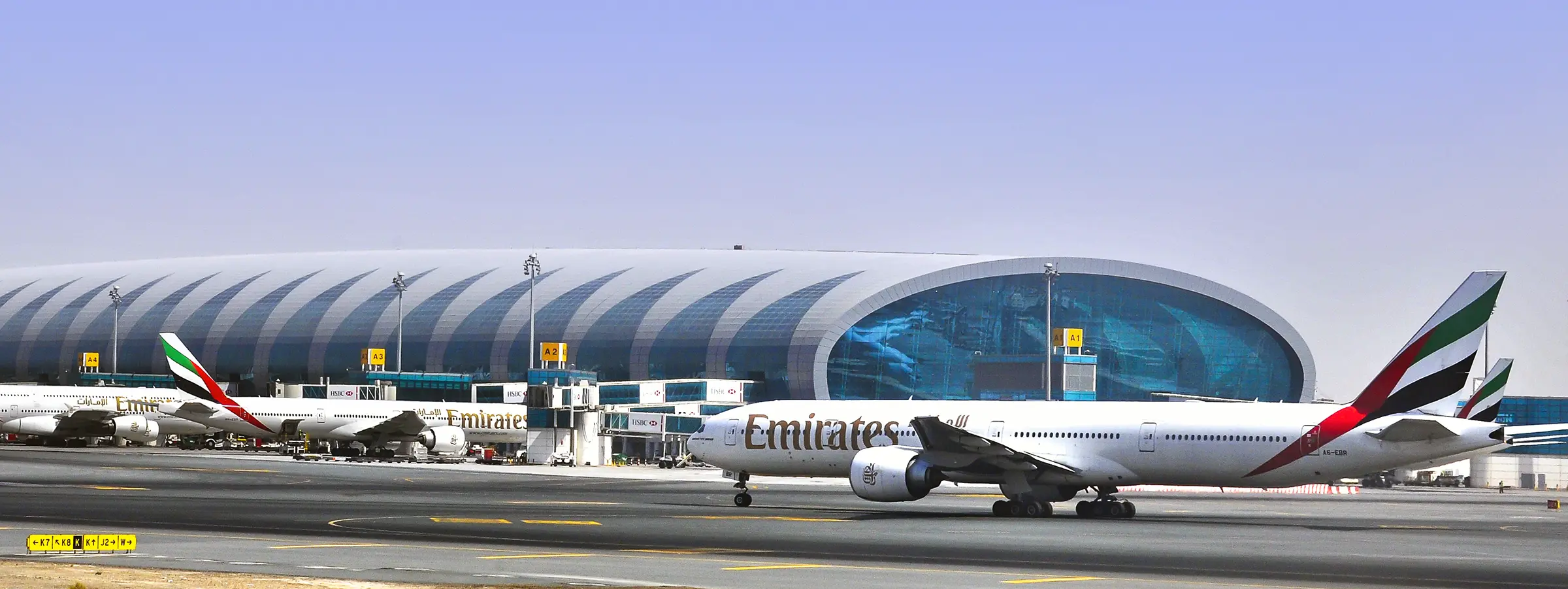
The airport is a collection of systems where a very large number of people, aircraft, vehicles and equipment interact. Due to this large number of actors, which permit the airport's functioning, it is inevitable that incidents or accidents happen daily within the air side.
Due to this scenario, certified airports include within their Operational Safety Management System a specific procedure for being able to store, process, communicate and analyse those potential events.
The airside of an airport is a very dynamic environment, where maintaining extremely thorough and detailed control is important to ensure continuous operational safety at all levels of operation.
Depending on the nature of airport incidents, they may be classified as Events, Serious Incidents or Civil Aviation Accidents, in accordance with the definitions in Law 21/2003, of 7 July, on Air Safety and Regulation (EU) No 376/2014, of 3 April, which establishes the Mandatory event notification system In Civil Aviation.
Nowadays, The range of possible incidents is very large, Therefore, airports have defined typologies and sub-typologies to group them. Each typology is usually associated with a code, so that identification is easier when registering and obtaining statistics on incidents. As in almost all branches related to Operational Safety, the definition and treatment of incidents are constantly evolving.
Some examples of typology could be:
- Incidents involving aircraft in motion, which can include sub-types such as Aircraft collision with ground installations, Incidents caused by jet blast, etc.
- Debris and pavement, which can be subdivided into Animal remains, Aircraft wreckage, etc.
- Incursions, which can include runway incursions, taxiway incursions, or incursions into restricted areas, involving persons, aircraft, or vehicles.
- Incidents involving wildlife, which can range from sightings to confirmed impacts.
- …and so on.
Logically, incidents can occur with more than one typology. For example, a bird strike during approach that results in debris on the runway would be classified as a wildlife strike incident and a runway Foreign Object Debris (FOD) presence.
Events of special relevance, which include serious incidents or accidents, are also defined. These events require the immediate identification of measures to guarantee operational safety levels. To achieve this, a assessment of the risks generated by the incident and an operational safety committee is convened where the measures to be adopted to prevent such an event from recurring are finally defined. A report on the event that occurred must also be produced. Events of special significance are considered to be runway incursions by aircraft, runway excursions, bird strikes, or near misses. When a serious accident/incident occurs, in the case of Spain, the CIAIAC and AESA must be notified.
Regarding the Incident notification sources, airports have the advantage that practically all personnel accessing the airside can report an incident. Although a large part of the notifications come from the daily reports of the different groups (Operations Centre, Wildlife Control Service, Rescue and Fire Fighting Service, Runway and Apron Service, Tower, etc.), pilots in flight or taxiing also report incidents directly to the control tower (either due to an emergency or incident on that same aircraft or due to detection of an irregularity during the operation), handling agents and other airport workers can also report incidents they witness or are involved in via the mailbox provided by Airport Operational Safety.
Furthermore, it has been implemented in the notification of an incident The non-punitive principle and confidentiality towards the communicator.
Thanks to this principle, it is ensured that communications will not be used against the person who made them, even if they have made a mistake and are the originator of the incident. That is, the aim is not to look for culprits or apply sanctions, but rather the objective is prevent these events and improve the operational safety of the airport. However, it must be clarified that this principle applies to unintentional errors, but not to negligent acts or wilful disregard of airside procedures.
As a consequence of this data collection regarding incidents, it is possible to produce monthly, quarterly, or annual reports depending on airport traffic. Higher traffic is likely to lead to more incidents due to the greater number of personnel in the airside area. For this reason, reports sometimes need to cover shorter periods of time. In addition to analysing incidents individually, it is important to detect trends in the attitudes of different groups or users that cause incidents, or even in infrastructure or equipment that is in poor condition.
With the previously mentioned reports, incidents can be compared over time periods and, if necessary, measures can be evaluated to bring any upward trends that have exceeded an established airport indicator back on track.
Definitely, The airside of an airport is a tremendously dynamic environment., where incidents are inevitable on a daily basis, which is why such exhaustive and detailed monitoring is important, to seek improvement day by day and ensure continuous Operational Safety at all levels of operation.