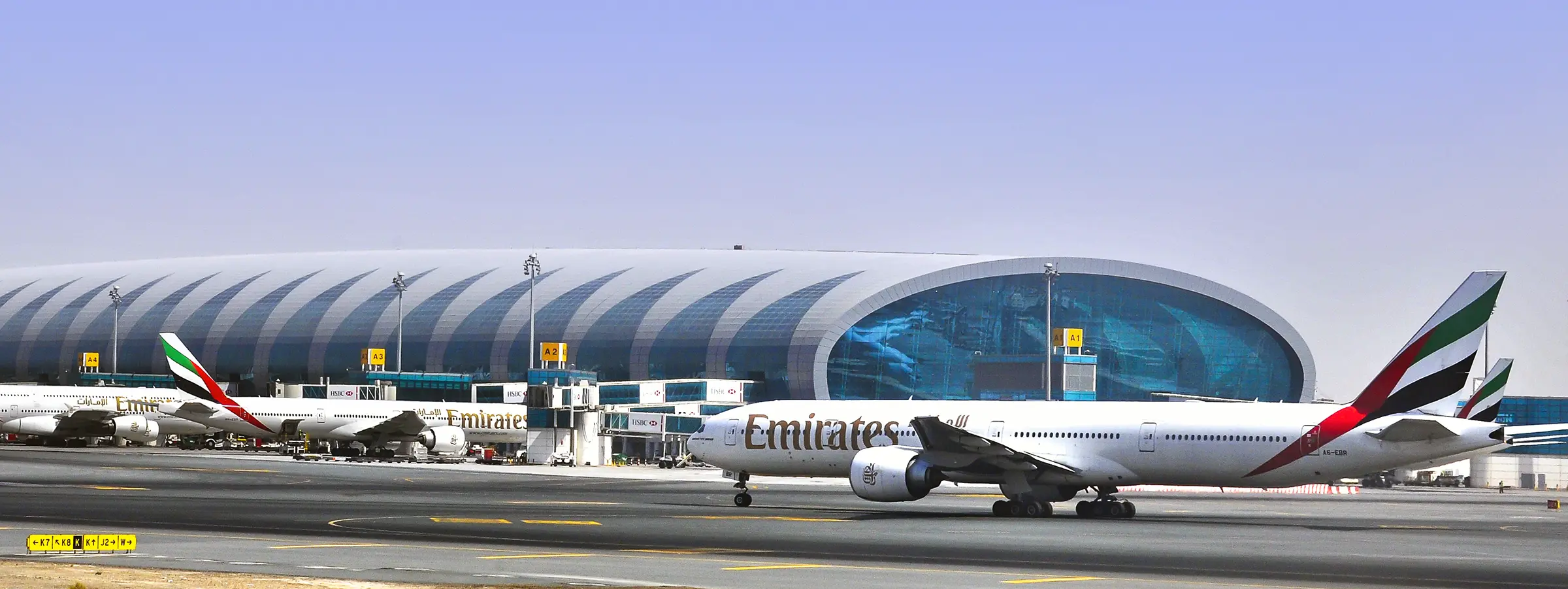
The aerospace sector is one of the most active drivers of Research, innovation and the development of new elements that bring advances and improvements to our society. To this end, air transport continues to grow in all global markets, contributing with a 4% al PIB mundial. If we focus on aircraft, innovations can affect small, barely perceptible parts, or entire planes.
One of the fields in which the most continuous effort is being made is that of Energy. In fact, there are several paths being pursued, each with clearly defined objectives. On the one hand, there is the fuel consumption reduction, in order to make the use of aircraft more profitable. On the other hand, the reduction of pollutants generated by the huge engines. And, not least importantly, the desired goal of combine all those factors appropriately to achieve planes that fly ever further, with greater cargo capacity, and at the lowest possible cost for airlines. In a word: efficiency.
For some time now, we have been witnessing the development of Electric aircraft prototypes which surprise us more and more. As in all aspects of life, there are supporters and detractors regarding its viability. But is it really feasible for an electric motor to be able to make hundreds of tonnes of aircraft fly?
There are several factors that go into the electric aircraft equation: The Weight loss by incorporating new materials; volume reduction of electronic media; energy efficiency increase of the batteries as well as the consequent reduction of their density (and, therefore, of weight); innovations in the design of the fuselage, wings, rudders, etc.
Actually, we're talking about several decades of research and advances that will be gradually incorporated into existing aircraft or new ones that will emerge. Along the way, we'll talk about biofuels, hybrid engines, and revolutionary design ideas. But the era of the electric plane seems to be coming sooner or later.
In any case, only the world's major aircraft manufacturers have the answer. They are the only ones qualified not only to develop technology globally which will allow not only to do so, but also to build the prototypes when the time comes.
For this reason, the models – or rather, the concepts – that they present to us are striking. NASA, Boeing and Airbus. Below you can see some of its proposals already in development for the coming years.
Have a good flight.

Boeing's hybrid-electric aircraft
Airbus concept for 2050
Airbus and Rolls Royce Electric Propulsion Project