It's 5:30 in the morning, I'm on my way to the airport in a taxi; today I have to fly. On the radio, I hear the latest news about the global evolution of COVID-19. Among other things, the safety of health on flights, both domestic and international, has come under scrutiny, and I'm on my way.
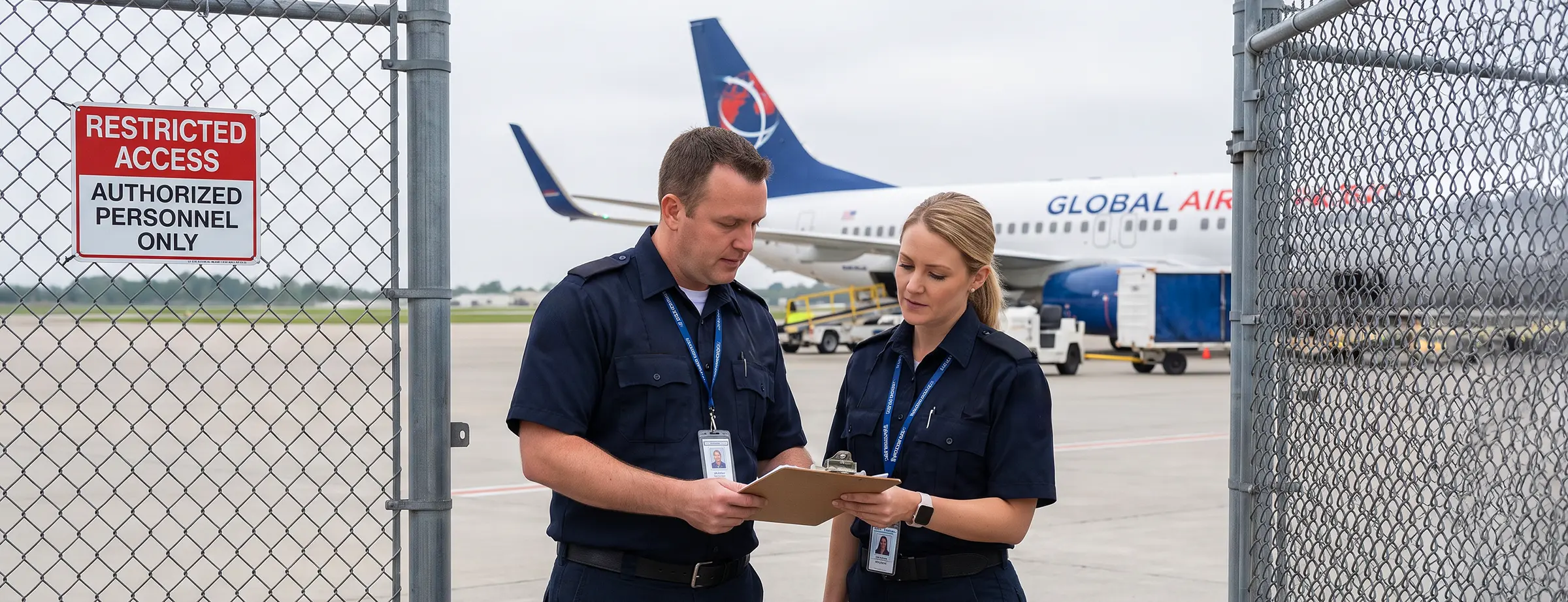
As I get closer, the lights on the background start to appear, and I think… Air transport is considered one of the safest means of transport. Airport operators and airlines have implemented all the regulations and recommendations developed by the competent administrations, scientific societies, and even by the airlines themselves. Solutions have been found for all kinds of circumstances in order to prevent infections at the airport, ranging from staggered arrivals, controls, restricted access, the closure of certain common areas, and even medical tests in some airports. In addition to complying with basic standards such as social distancing, wearing masks, and hand hygiene, Check-in, boarding, and billing systems have been updated to minimize contact, but what about the fear of infection within the cabin of the aircraft?
The cabin configuration of airplanes and the practices imposed by airlines allow us to affirm that flying is quite safe during the pandemic.
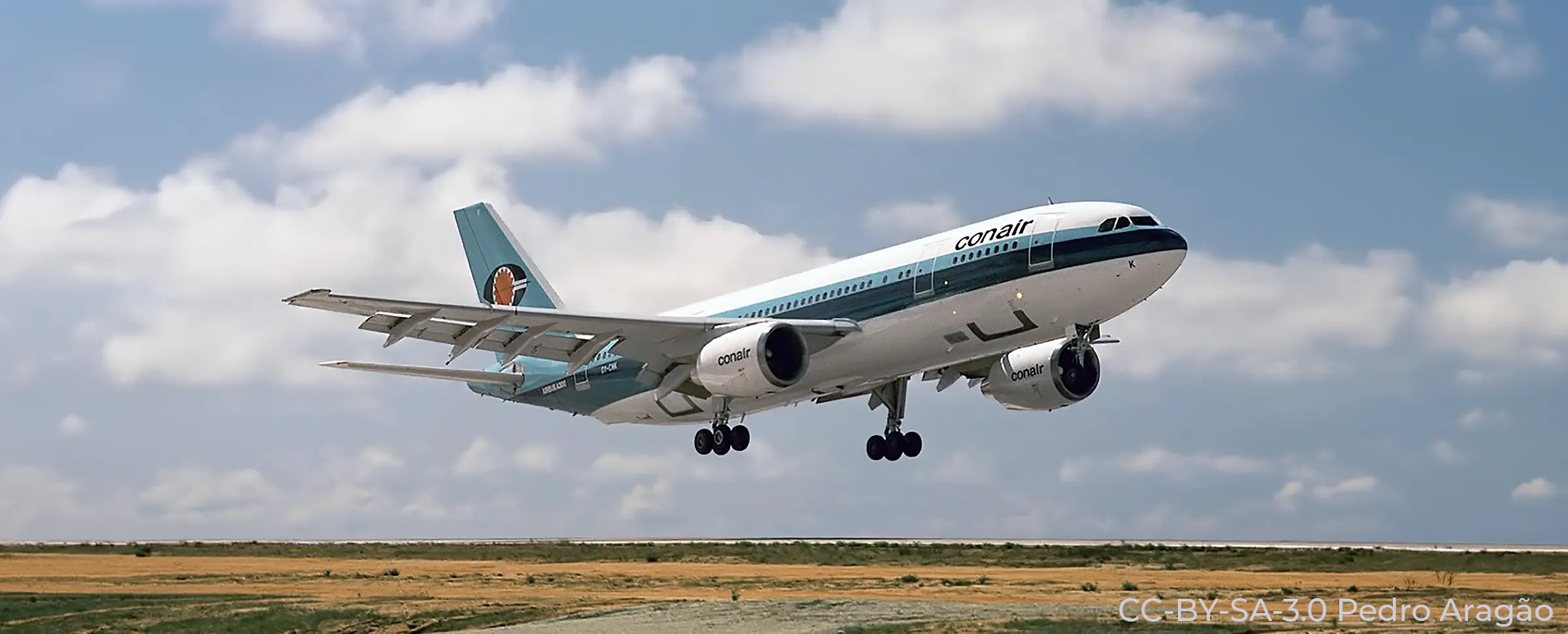
To assess this issue, we must take into account the exceptional conditions surrounding a flight in this regard. Consider that the atmosphere surrounding the Earth's crust is composed of different layers; the innermost layer, where we usually live, is the troposphere, It extends up to 10000-15000 m above sea level. Current commercial aircraft fly within this area.. Starting at an altitude of 3000 m, the decrease in barometric pressure produces environmental hypoxia, which is why the use of supplemental oxygen is necessary.
Generally, commercial aircraft fly at altitudes of around 9000 and 12200 m, so the atmosphere is inhospitable. For this reason, aircraft must supply air inside the cabin. This air must be pressurized., That is, increasing its pressure relative to the outside by taking ambient air and compressing it, then reintroducing it into the cabin.
Outside the temperature drops by approximately 2ºC for every 300 m of altitude, so the cabin air must also be heated before introducing it into the cabin. Due to these thermal jump processes, the air is sterile. In addition, it has a low moisture content (5%), which is another environmental factor that reduces the proliferation of suspended germs.
In addition to the problems arising from changes in barometric pressure, the external environment at these altitudes presents another obstacle: the ozone concentration that increases with altitude. This gas is toxic to the respiratory system, so to control this problem and reduce its concentration, airplanes are equipped with ozone catalysts. In turn, ozone is an extremely effective germicide against viruses and bacteria.
As a complement, recycled air from the cabin itself is added. Most commercial aircraft The air is completely recirculated within the cabin approximately every 3 or 4 minutes, To improve the environmental humidity and energy efficiency conditions. This air undergoes a sanitization process, is filtered to retain particles smaller than 0.3 µm in diameter using high-efficiency activated carbon (HEPA) filters similar to those used in hospital operating rooms. This system is considered effective in removing not only suspended particles but also bacteria, fungi, and even viruses eliminated during speech, coughing, and sneezing.
In addition, there is a specific design of the interior air circulation that provides greater safety and comfort. The cabin ventilation system creates airflows in a downward vertical direction, That is, it exits from the top and is collected from below, so no air is moved forward or backward; no air is shared between passengers and greater efficiency is achieved in its renewal.
In short, it can be said that the use of appropriate filters, the processes that are put in place for conditioning the cabin air and its proper renewal, clearly reduce the risk of infection due to concentration.
If we add to all of this a series of practices, such as those already undertaken by the majority of companies regarding the use of masks throughout the flight, the elimination of on-board catering on short flights, the distribution of tickets (when possible), or the maintenance of air conditioning during stops, the barriers imposed on contagion are very effective.
It is for all of these reasons that the risk in the cabin is reduced to similar situations on land, between two people wearing masks outdoors at a distance of two meters.
So today… we’re flying.