Any non-learned person would associate the aeronautical sector with cutting-edge technology applied to one of mankind's greatest illusions: flying. On the other hand, it is important to bear in mind that the programmes (aircraft models) can be perfectly valid for 30 to 40 years from its conception to the manufacture of the last unit.
In the aeronautics industry, R&D&I projects cannot be neglected.
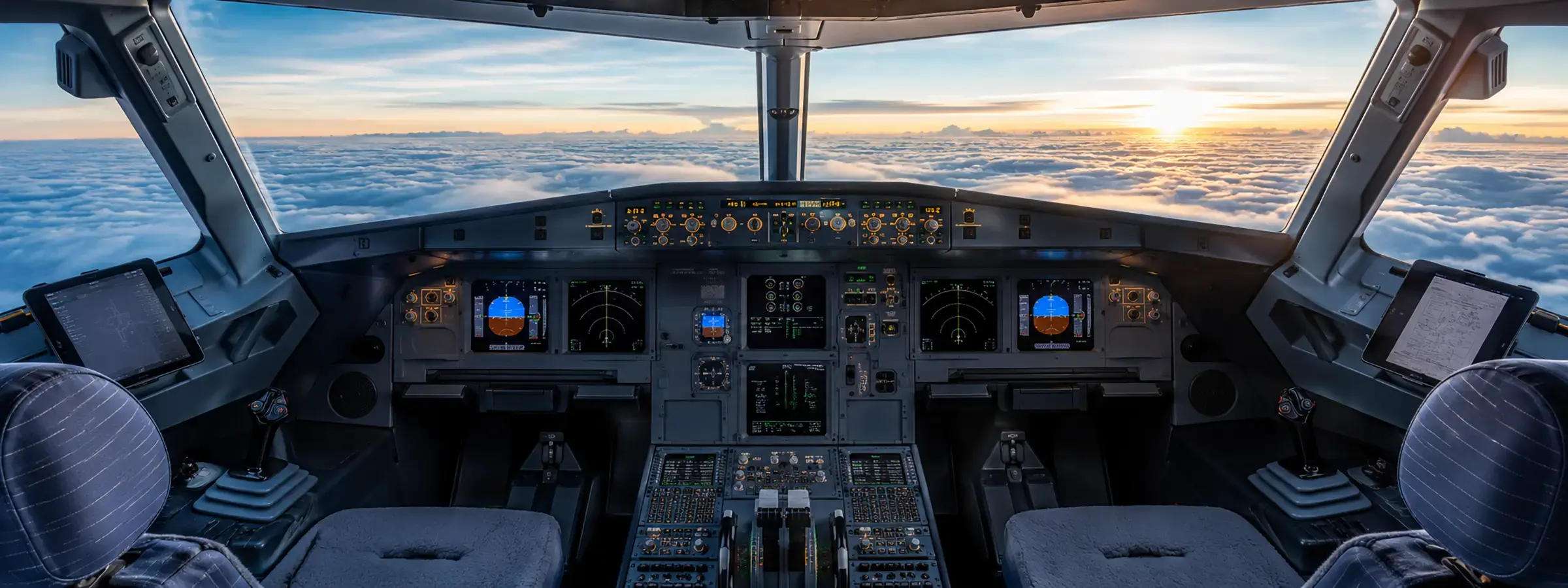
Taking into account the high certification costs The changes in aircraft models during the lifecycle of the aircraft, minor modifications are chosen during its production. This is all the more so given that reliability is critical in this sector and the changes reduce it. Therefore the latest technological developments in on-board equipment and structural materials are applied in the early stages of design so that once in flight, these advances do not seem so cutting-edge. For example, the AFDX technology that has reduced the wiring on the A380 so much, resulting in less weight and more range, is still just a variant of Ethernet.
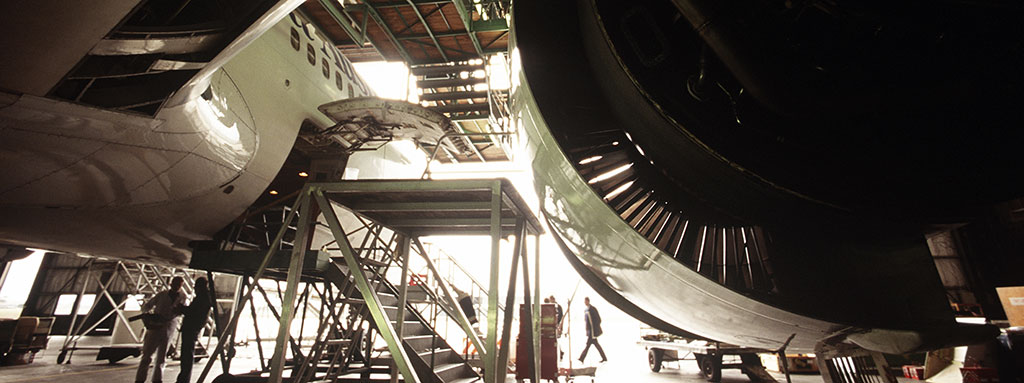
As far as the aircraft manufacturing industry is concerned, technological advances are applied in specific production processes. Innovation in this phase of the aircraft programme is essentially about optimising costs to be competitive The fact that there is a high added value in the way of manufacturing to facilitate the maintenance of the aircraft and the historical record of all the documentation of each aircraft: manufacturing orders, tests, calibrations, plans, etc.
Therefore, with the need to reduce costs imposed by the current economic climate and the ever-increasing range of aircraft options to meet customer needs, in the aeronautics industry, R&D&I projects cannot be neglected. and any improvement studies that make companies more competitive.
To mention a few lines of improvement:
- Automation. It must always be borne in mind that aeronautical manufacturing is a manual and not very repetitive jobThe rate of 20 aircraft per year is not similar to mass production of automobiles. It is therefore necessary to study the bottlenecks by analysing costs and not to focus on replacing all manual work with automated work.
- Assisted processes. Almost no two aircraft are the same and within the same programme, so it is necessary to improving the methodology to get all technical documentation and instructions to the operators on time, reviewed and with quick feedback on non-conformities.
- IT applications. Numerous software tools can be developed that link all documentation requirements-design-manufacture-testing (digital mock-up) supporting various functions, such as rapid analysis of the impact of any changes, process traceability and fault-finding.
- Administrative work. The amount of paper and tracking files that need to be maintained, cross-referenced and checked can be greatly reduced by developing tailor-made software. Another very important way of optimisation is the applied “in technology” training work on the company's own technicians to computerise and streamline their daily work, freeing up time so that they can focus on what is important.
All this, in short, is part of constant innovation in the aeronautics industry.