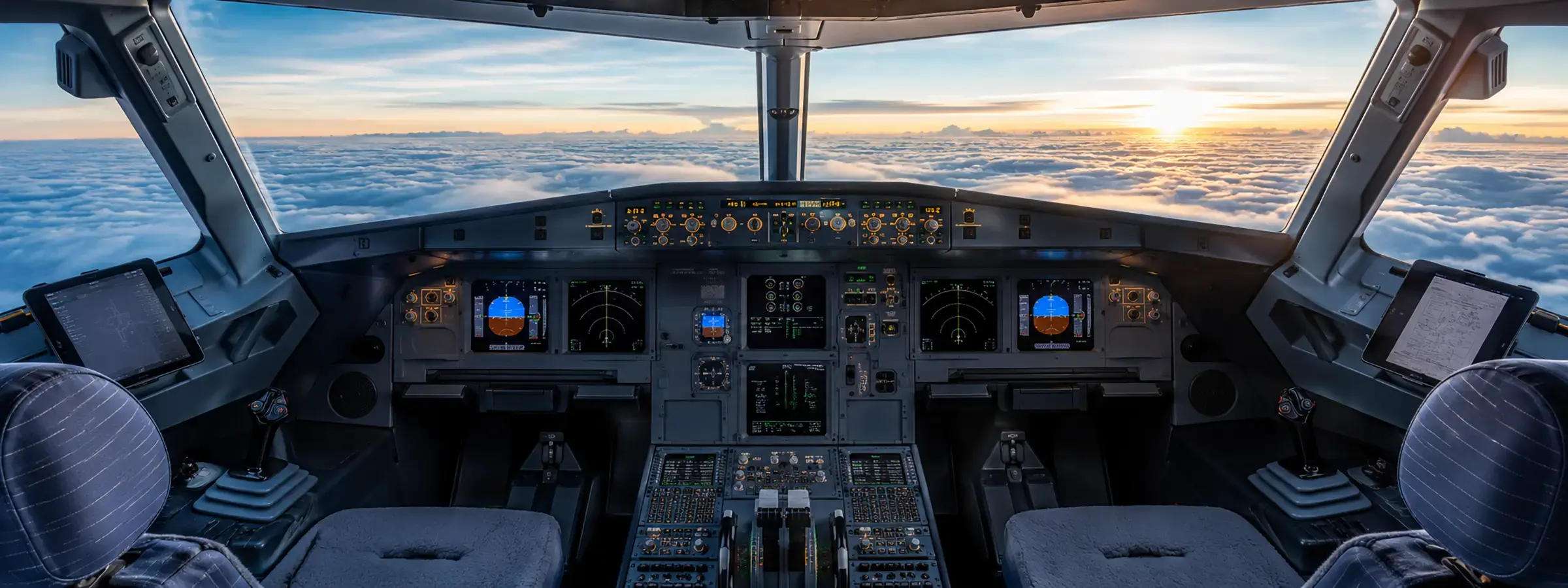
At the heart of every aircraft is an idea, a vision of flight, that drives engineers and designers to push the boundaries of what they already know.
Aeroplanes are an astonishing marvel of engineering, a testament to human ingenuity and innovation. They are designed to overcome one of nature's barriers to humans: flight. From the initial sketches of an aircraft to the finished product soaring through the skies, the process of designing and manufacturing an aeroplane is a complex and meticulous journey involving hundreds of professionals and vast amounts of resources.
It is obvious that aviation involves A relevant benefit for a society in which business, tourism, global availability of goods, or job creation are variables in an equation whose outcome is always positive.
It's not just about getting a heavier-than-air machine to fly, but for it to do so, above all, safely; and for it to also fulfil, efficiently and cost-effectively, the purpose for which it is to be created.
The entire process, from the idea or concept, to the moment the last aircraft leaves the assembly line and takes to the air, is what is called “aeronautical programme”. Let's see what it involves and learn the steps needed to take an aircraft from concept to reality.
An aeronautical programme begins with the Aircraft conceptualisation which is desired to be manufactured. Even before having an idea of what the aircraft will look like, the process begins with a Comprehensive analysis of requirements and objectives. Whether it's a commercial aircraft, a military fighter jet, a private jet, or an unmanned aerial system, UAS, every programme begins with a clear definition of its intended purpose, missions for which it is designed, performance specifications and operating parameters. At this point, dialogue with the client is essential to define the concept in all its details.
Aircraft designers collaborate with stakeholders to to specify the aircraft's key features and functionalities. Here, factors such as payload capacity, range, speed, fuel efficiency, and passenger comfort, where applicable, are carefully considered. Preliminary sketches and concept drawings sometimes help to visualise the proposed design and refine initial ideas.
Once the conceptual foundations have been laid, attention turns to translating ideas into tangible designs, which is what we call the Preliminary design. Through various computer-aided design tools, engineers create detailed 3D models of the aircraft. Aerodynamic principles come into play as designers shape the fuselage, wings, and control surfaces to optimise lift, drag and stability. It is also time to test scale models in the wind tunnel and analyse their behaviour.
Propulsion systems, including engines and propellers, are integrated into the design, along with avionics systems for navigation, communication, and flight control. This phase is iterative, with design refinement occurring based on simulations, analyses, and stakeholder feedback.
Following this, we move on to a phase of detailed design of the future aircraft. Every component, from the landing gear to the interior furnishings, is meticulously designed to comply with regulatory, safety, and performance standards. The Structural integrity It is a primary concern, and it is at this point when the materials to be used for each element are defined (aluminium, titanium, composite materials...) based on their strength-to-weight ratio, safety, and durability.
Once the design is finished, the Prototyping and testing phase, consisting of the construction of prototypes to validate the aircraft's performance in real-world conditions. Although much progress has been made in computer simulations, wind tunnel tests remain essential, allowing engineers evaluate the aerodynamic characteristics and refine the fuselage design. For their part, the structural testing the tensions and forces encountered during flight are initiated, ensuring that the aircraft can withstand the rigours of operation.
The Flight tests They are a critical stage of the prototyping process, where experienced test pilots put the aircraft through its paces to assess its handling, performance, and safety. Data collected during flight testing is analysed to identify any issues or areas for improvement, leading to further refinement of the design.
The next step is the Aircraft certification, this will depend on the purpose for which it is being created. This involves subjecting it to rigorous testing and assessments by regulatory authorities to validate that they meet strict airworthiness, safety, and environmental compliance standards. These standards are set by organisations such as EASA (European Union Aviation Safety Agency) or the FAA (Federal Aviation Administration).
Certification testing involves comprehensive evaluations of an aircraft's systems, structures, and performance characteristics. Manufacturers must demonstrate compliance with a wide range of regulations and standards, from bird strike resistance to noise emissions. Once certified, the aircraft receives authorisation for mass production and sale to customers..
Next, the phase of Aircraft manufacturing or production, which is a highly coordinated process that involves specialised facilities, highly skilled labour and advanced manufacturing technologies. The assembly lines are meticulously organised to ensure the efficient flow of components and sub-assemblies, with each stage of the process carefully synchronised to meet specific production targets.
On an aeroplane, materials are sourced from suppliers across the globe, with strict quality control measures in place to verify compliance with specifications. This is complemented by the design and application of a Traceability control system, which, in addition to ensuring compliance with regulations, will allow for process improvements, savings in production and logistics costs, as well as ensuring the quality of each part or set of parts.
The Automated manufacturing techniques, such as robotic assembly and laser cutting, streamline production and minimise errors. Throughout the manufacturing process, continuous monitoring and inspection ensure that each aircraft meets to the highest quality standards.
The heart of aircraft manufacturing lies in the Assembly process, where individual components are brought together to form a cohesive whole. Highly skilled engineers and technicians work collaboratively to assemble the aircraft's structure, install the propulsion systems, and integrate the avionics and other systems. Precision is paramount, with tolerances measured in thousandths of an inch to ensure proper fit and alignment.
Once assembly is complete, the aircraft undergoes a planned testing phase to verify functionality, performance, and security. Ground tests evaluate systems such as engines, hydraulics, and avionics, ensuring all components function as intended. Taxi tests allow pilots to assess the aircraft's handling and braking performance on the ground.
Before its maiden flight, an exhaustive pre-flight inspection is carried out to identify any issues or discrepancies. Following this, test pilots conduct a series of flights to validate performance parameters and verify compliance with regulatory requirements. Data collected during the tests are analysed to identify areas for improvement and refinement.
Once testing is complete and regulatory approvals have been obtained, the aircraft is ready for to be delivered to the customer. Whether it is a commercial airline, a military organisation or a private owner, the delivery process is carefully coordinated to ensure a smooth handover of the aircraft. However, before that moment is reached, a thorough customer review process takes place, during which their conformity must be obtained.
After delivery, the aircraft manufacturer can provide Support and maintenance services continuous to ensure the continued airworthiness of the aircraft throughout its operational life.
Aeronautical programmes are an amazing journey that takes an aircraft from concept to flight. They are a testament to human creativity, talent, innovation, and perseverance, with aircraft design and manufacture being the culmination of decades of research, development, and collaboration across diverse disciplines by many thousands of highly skilled individuals.
It is a young industry, just over a century old, but one that expands its horizons and commitments every day. The next step, as we have mentioned on several occasions on this blog, is to achieve increasingly sustainable aviation. And that's what we're working on.