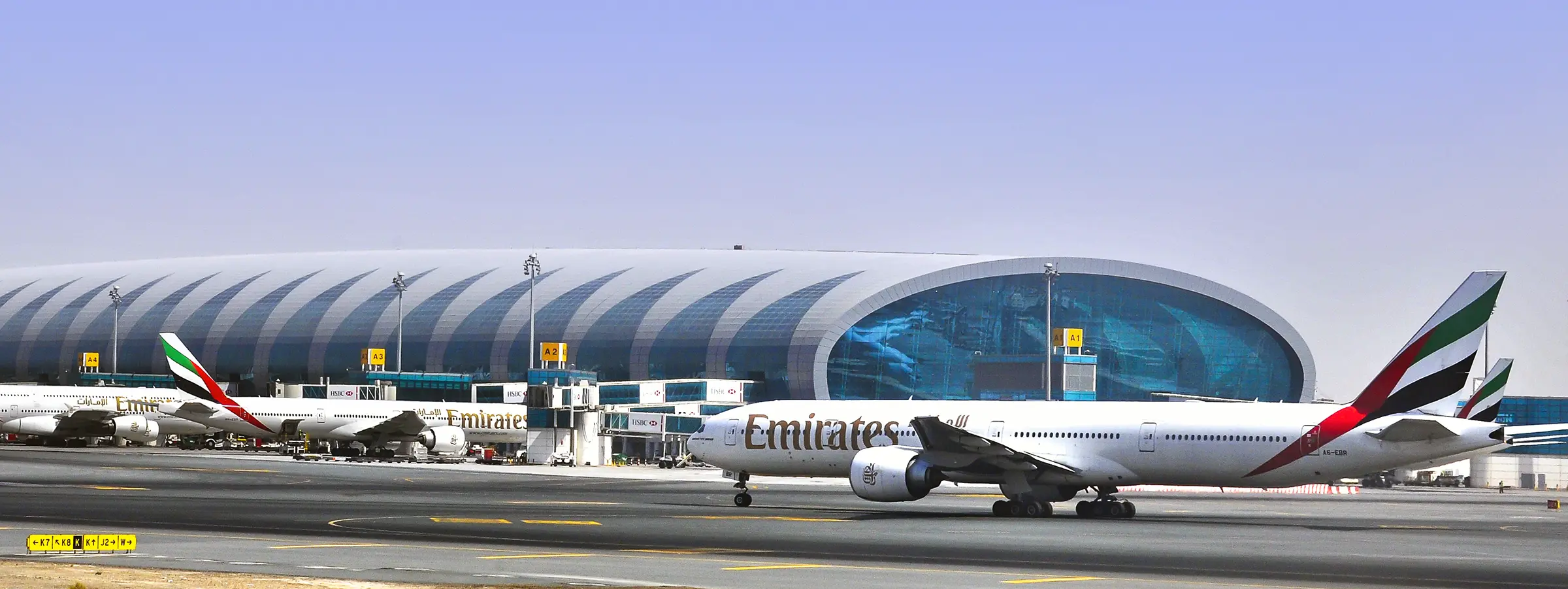
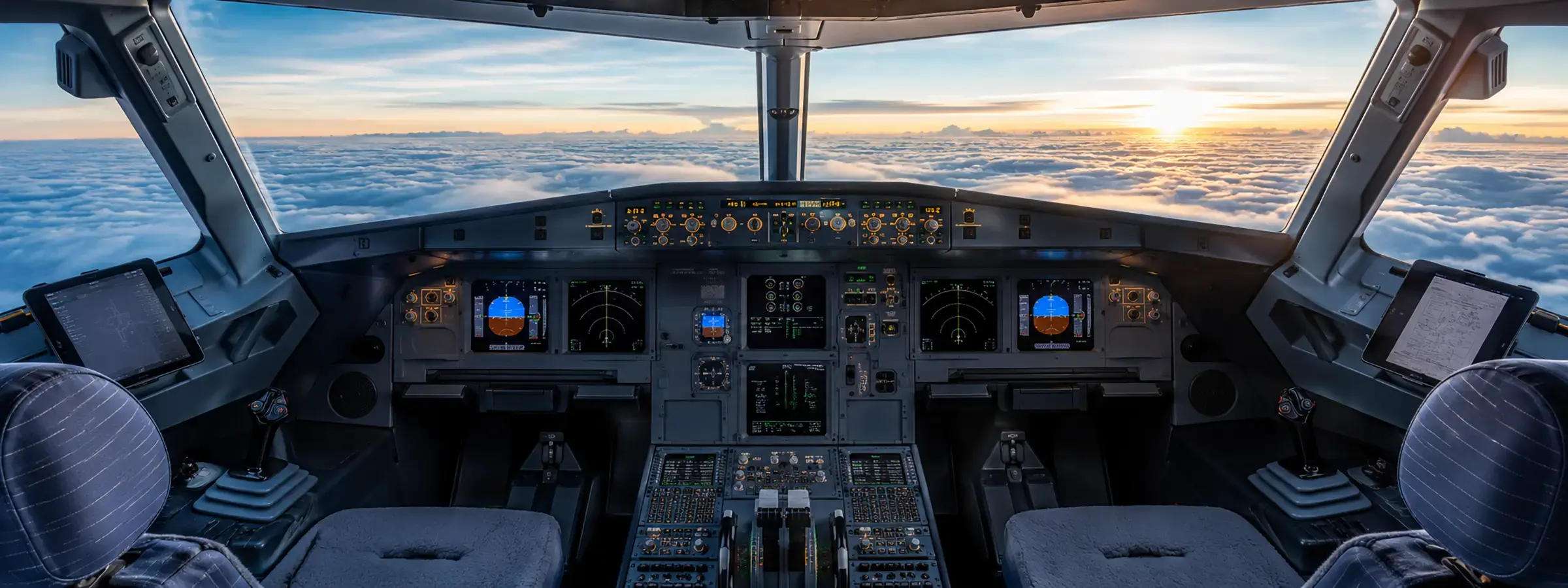
To reach space, mankind first had to be able to fly. Before 1900, there were various attempts by pioneers who, with varying degrees of success, paved the way. However, it wasn't until the early 20th century that the conjunction of technology and knowledge truly blossomed, confirming that flight was possible. It was precisely at this point that the Wright brothers built an aircraft capable of lifting off for flights lasting between 12-20 seconds, covering a distance of 30-50 metres. Numerous inventors, engineers, and aviation enthusiasts began to improve upon what these restless brothers had shown the world.
Aside from the debate on whether the flights are spaceflights or not, Richard Branson and Jeff Bezos's initiatives have reinvigorated interest in space travel.
As early as 1914, the Vlaicu III was created, the first aircraft to replace the wood in its structure with metal. In the 1930s, the jet engine was invented, leading to a significant advancement. Commercial flights already existed before the Second World War, a period of great progress, but with its arrival, airlines as important at that time as Air France or Greater Japanese Airways had to close. Once the Second World War was over, commercial flights experienced a growing boom once again, becoming the safest means of transport for people and the foundation of sectors as important as tourism or the rapid transport of goods.
Even in the 21st century, aviation focuses on two fundamental pillars: the continuous improvement of the passenger experience and the reduction of its carbon footprint.
However, tourism linked to air transport is looking to go further, with some having bet on flying beyond the limits of the atmosphere. This is the case for companies such as Blue Origin or Virgin Galactic.
Blue Origin, belonging to Jeff Bezos, owner of Amazon, has made its first flight with its spacecraft New Shepard, named in honour of Alan Shepard, the first American astronaut to travel into space. For its part, Virgin Galactic, a company belonging to Richard Branson, has also set a precedent regarding commercial galactic flights.
Following both flights, there has been much debate about whether Virgin's flight was truly to space, or not. This is all due to something many hadn't heard of before: the Karman Line.
What is the Kármán line?
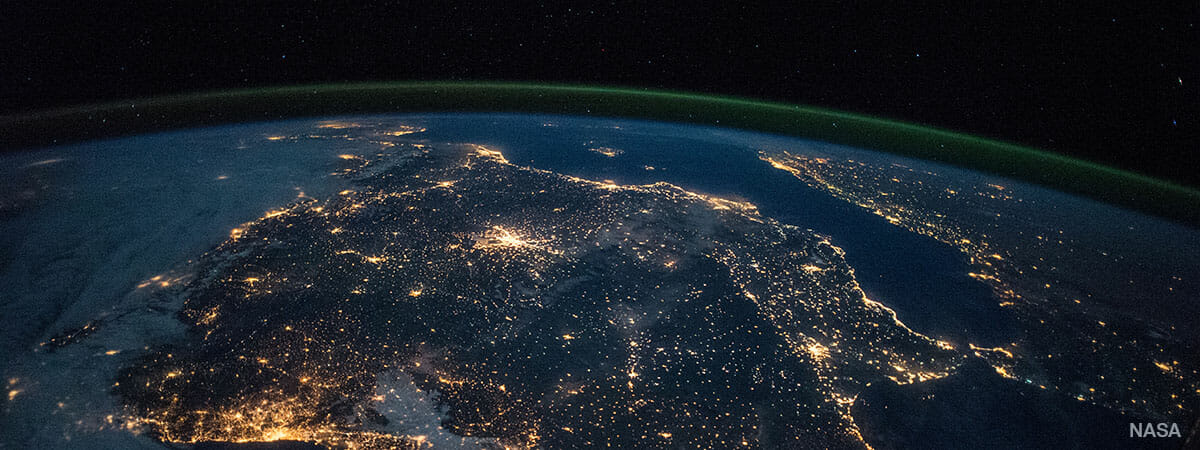
It was named as such by the Fédération Aéronautique Internationale (FAI) in honour of Theodore von Kármán, an aeronautical engineer who attempted to define a space boundary. In his publications, the aforementioned author calculated an approximate altitude of 100 kilometres because, as he explained, above that height, an aircraft would need to fly faster to stay airborne. At that altitude, the atmosphere does not provide enough support for aeroplanes to maintain flight, meaning a conventional commercial or military aircraft would not be able to fly.
In essence, the Karman line is an international convention that marks the boundary between the atmosphere (with a marked influence of Earth) and space. According to the scientific community, once this altitude is crossed, it is considered that space has been reached.
For its part, and here's the debate, NASA It is estimated that space is reached once the 80 km altitude from the Earth's surface, i.e., where the mesosphere ends.
The controversy over whether Virgin's spacecraft flight was space or not is based on this difference in criteria. For NASA, it was a space flight, but for the scientific community, it was a few kilometres short. Blue Origin surpassed both limits by reaching an altitude of 106 kilometres, while Virgin only reached about 85 kilometres.
Aside from the debate about whether they were spaceflights or not, there are other very notable differences between the spacecraft used by both companies. The windows on the New Shepard spacecraft (Blue Origin) are large, whereas those on Virgin Atlantic's are smaller, typical of those found on commercial aircraft today. Blue Origin claims that the passenger experience will be of higher quality by having a wider field of vision.
Another point that differentiates the two ships is the security systems. The VSS Unity has conventional entry and exit doors, something that can be found on any current aircraft, whilst the New Shepard has an escape system accessible from the centre of the capsule.
For the development of both space programmes, Virgin Galactic has only carried out 3 flights above 80 kilometres, whereas New Shepard already possesses 15 flights.
What is a reality is that both companies will be the first ones that will compete to take civilian passengers into space. Apparently, the first trips will cost around $250,000, which isn't affordable for everyone, but it's possible that demand will increase and prices will decrease over time, although let's not kid ourselves, because they'll never cost as much as a Ryanair ticket.
Jeff Bezos's goal, along with NASA and the European Space Agency, is to colonise the Moon and open a gateway to exploitation of energy resources that possesses and proceeds to relocate factories. The idea of Amazon's founder is to leave this planet so that the planet itself can improve, understanding that we are depleting natural resources. Richard Branson's goal is different, as his efforts focus on achieving The experience of a space journey Open yourself up to as many people as possible.
Of course, I think the most relevant thing about these experiences is to note that there are already flights by private companies that travel into space with solvency. That is quite a success.