Recently, a conference was held in Seville (Spain), entitled “Aerospace Architecture and Engineering”, The event, where the increasingly intense and collaborative relationship between two professions which, apparently, might seem unconnected and some would say even antagonistic, such as engineering and architecture. Nothing could be further from the truth, however, in an increasingly complex working environment in need of collaboration and common ground. The two disciplines are “doomed” to interact and complement each other. not in a subordinate relationship, but one of interdependence and parallel work.
The “arch-engineers” provide the perfect balance to design and develop projects with both the machine and the human being in mind at the same time.
There is no doubt that the aerospace sector offers many areas of professional development for different disciplines, and one of them is also reserved for the work of architects, who find in this environment an interesting opportunity to undertake and develop their professional creativity.
Architects and Engineers have a symbiotic relationship in the growing common ground they share in the aerospace field, particularly in three key concepts: energy, materials and design.
The first two are areas of development linked to efficiency and sustainability. Nowadays, no good architectural project is conceivable without a correct study of its energy efficiency which, among other things, minimises electricity consumption through the implementation of passive energy saving strategies: orientation, thermal insulation, natural lighting and the use of renewable energies. Together with this, the knowledge and use of materials and construction systems that contribute to the aforementioned result in a significant improvement in costs, durability and comfort.
How many millions of euros does it cost to have the right air conditioning, insulation, use of sunlight in a workplace, the use of quality and indigenous materials and the performance of workers in a comfortable and well-structured place? Taking these concepts to the aeronautical world in terms of airport complexes, hangars or large manufacturing areas, production, assembly lines, etc. the impact on cost savings and improved productivity will undoubtedly make a difference. and will give a boost in terms of quality and competitiveness among companies.
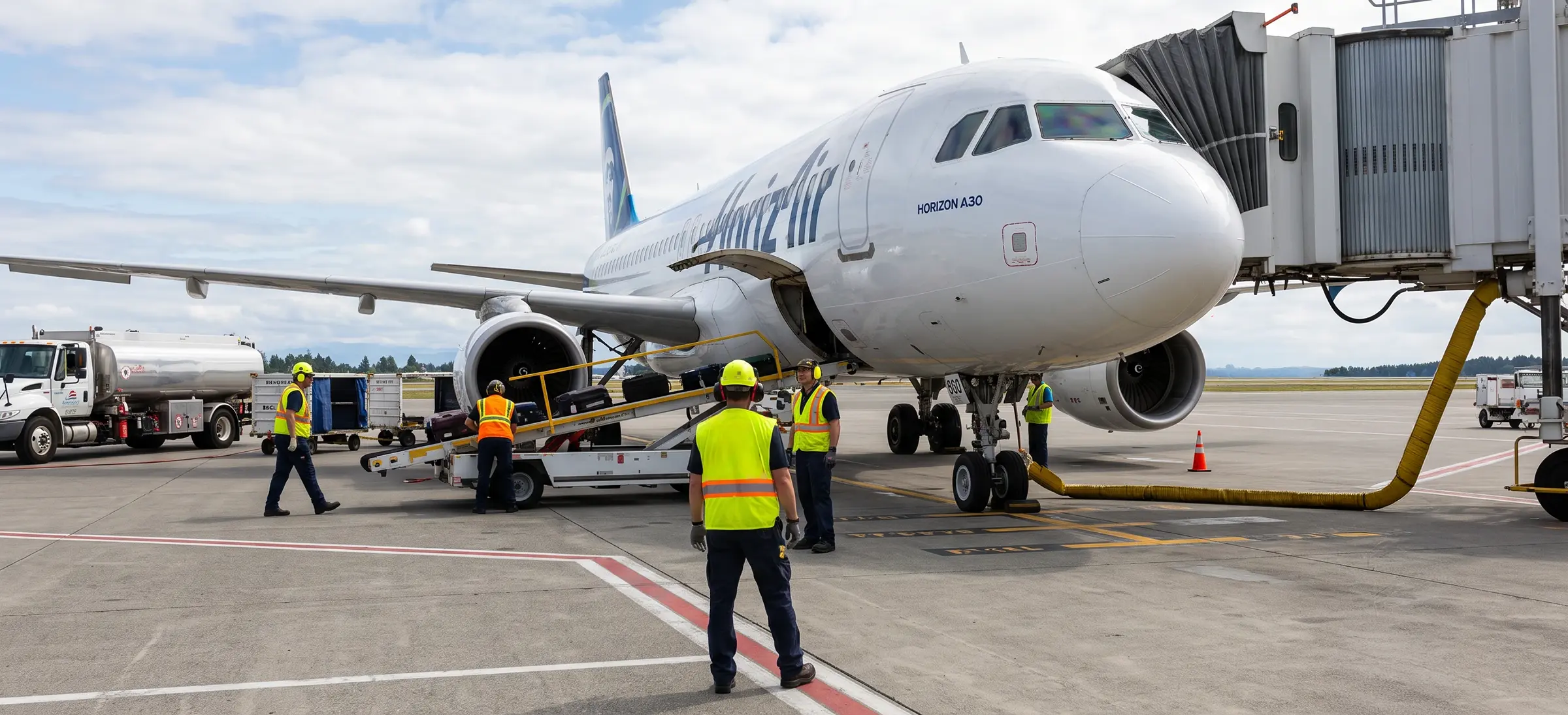
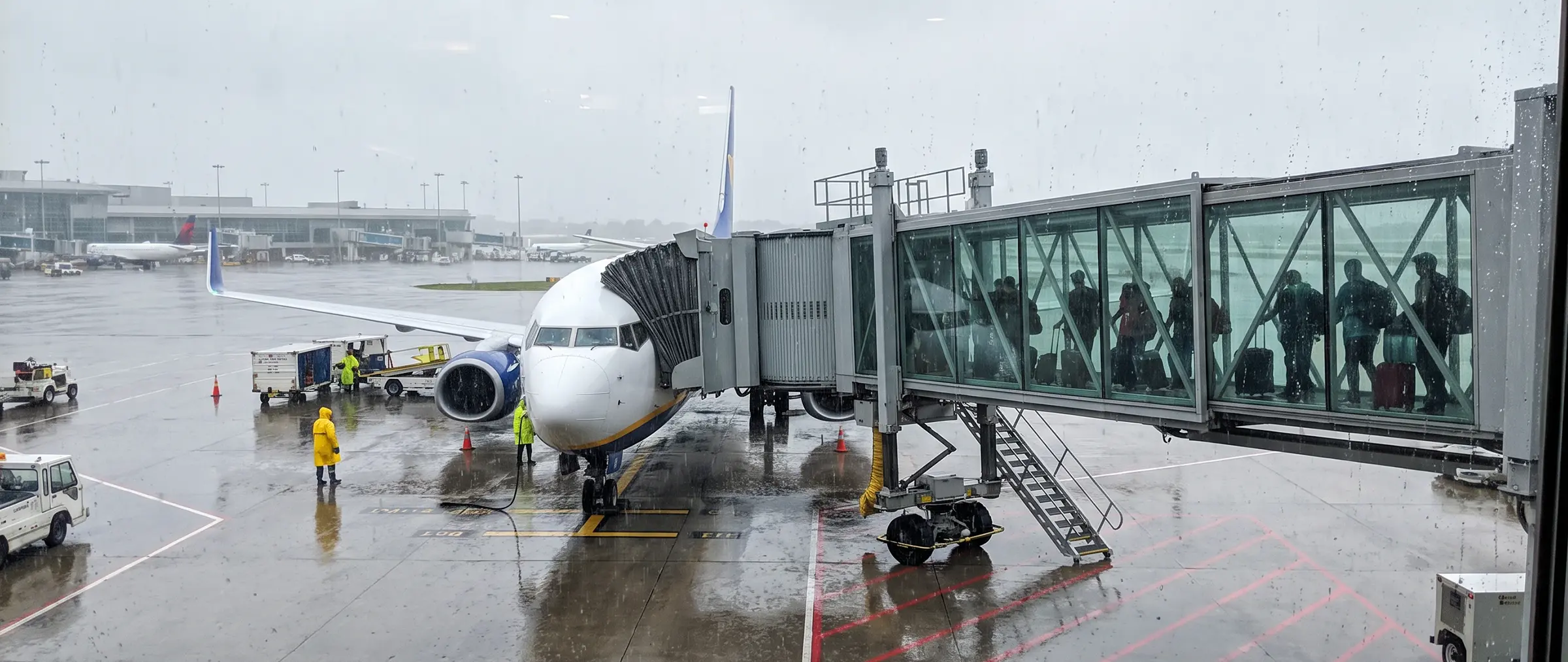
The third point of this collaborative symbiosis is design, always linked to production as a first objective. The architect in the aerospace sector is faced with the challenge of solving spaces to solve the various problems it faces, such as movement and mobility of people and goods, organisation of production and assembly lines, travel, centralisation of services and management of industrial needs.
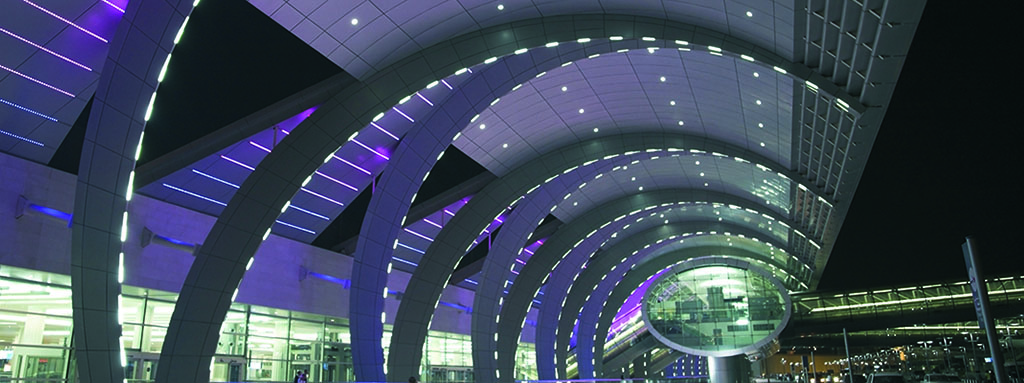
We are talking about machines, but we are also talking about people, and lots of them, which is why collaboration with specialised engineers must be so intense and fluid that a new term has been coined that could well define this new relationship between professionals: the “Archengineers”defined as all those technicians, agents and designers capable of bringing together knowledge and disciplines in order to materialise, in this case any aerospace project, ranging from the development and execution of small hangars or service buildings to a real city for the production of aircraft or the world's large airport complexes.
During the conference, architects Bruce S. Fairbanks (Fairbanks Architects), Alejandro Martín (AERTEC Solutions) and aeronautical engineer Fernando Castellón (Luis Vidal y Asociados) contributed their professional experience within the aerospace sector, confirming once again the need for collaboration between disciplines.
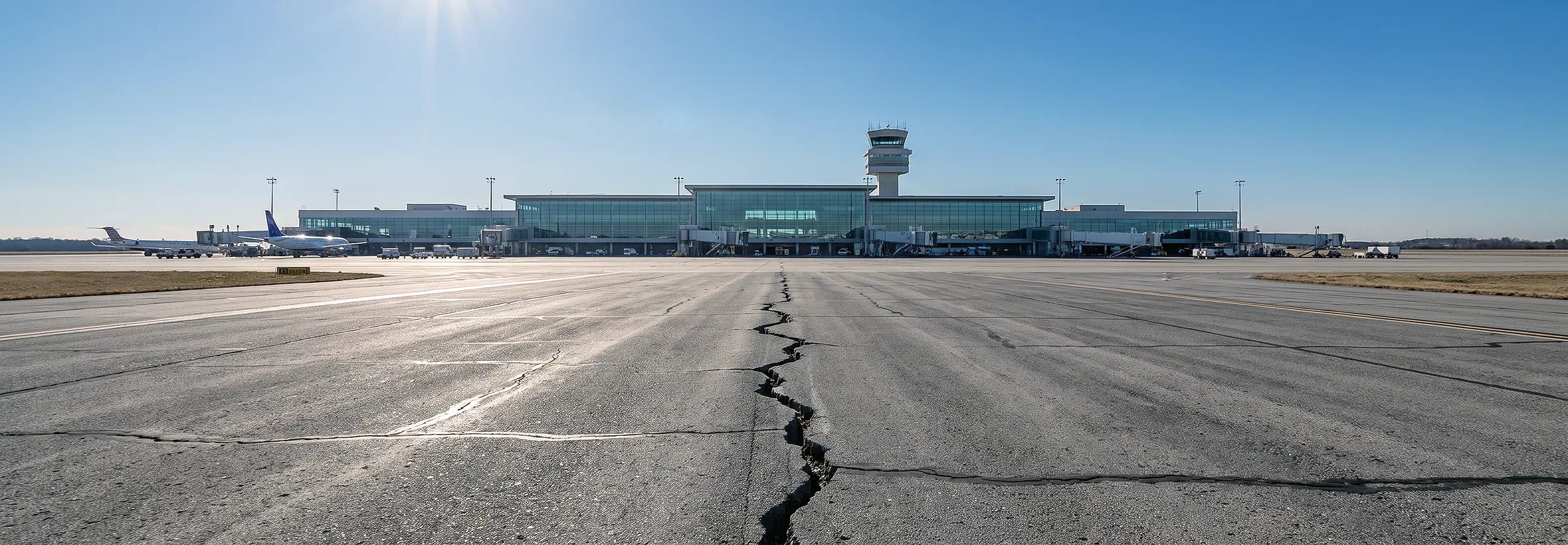
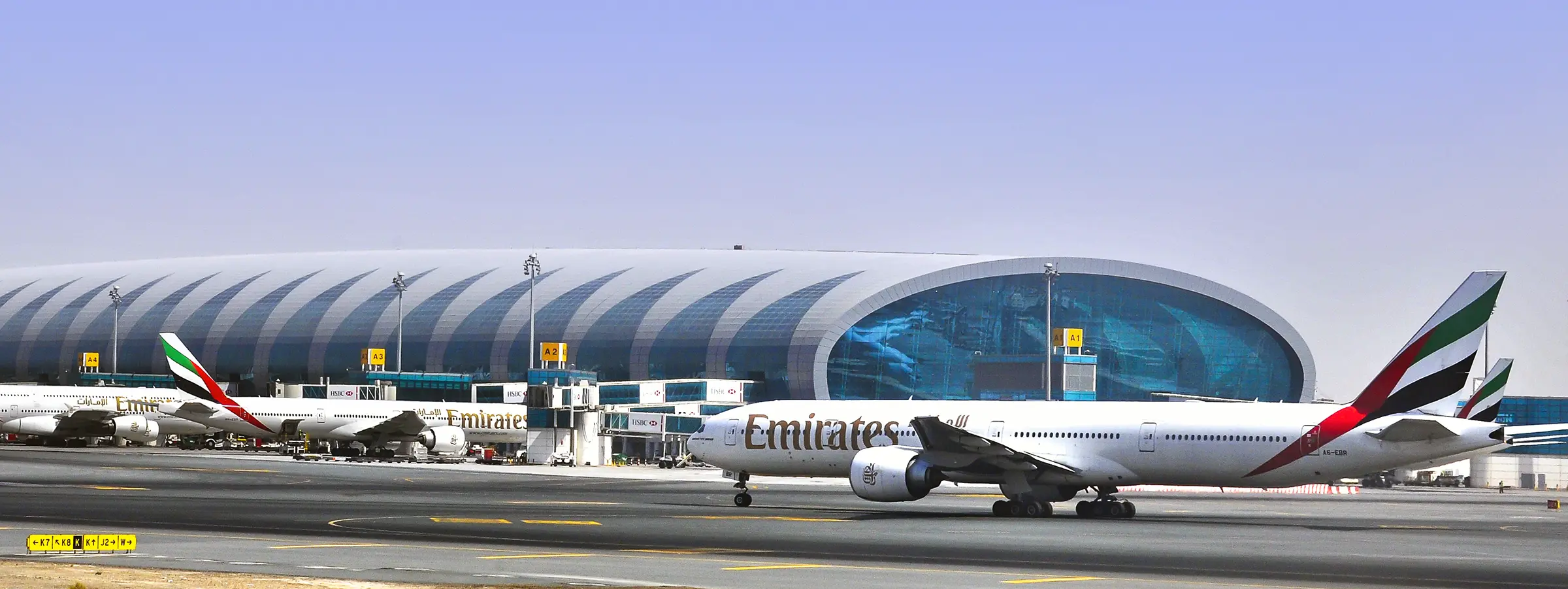
From their respective dissertations, it can be seen that aeronautical buildings have to respond to important functional requirements, but at the same time, unique interventions are required, with the capacity to distinguish each building site. An example of this can be seen in the new airport control towers, which have become iconic elements, but without neglecting the functional complexity they must address and the service for which they are intended.
Their own airports are continually subject to change and new needs., The commercial use within these facilities already exceeds 50% of the profit of an airport and is a demand that must be met and integrated in these facilities, which makes it a new challenge for their design. The commercial use within these facilities already exceeds the 50% of an airport's profit and is a demand that must be met and integrated in these facilities, which makes it a new challenge for their design. Similarly, security or baggage handling is an underworld in terminals that, without the advice and participation of engineers and specialists, would be tremendously complex to solve.
This continuous change and process of adaptation contrasts with the rigidity of certain buildings and their preconceived designs, problems to which the architect must provide an adequate response for the present and the future.
The technological progress is rapid and covers all areas of human activity., This is even more so in the aerospace sector, where it is key to its development. This is why the participation of technologies is now essential. From this constant fusion between machine and man, it could be said that it derives the same between purely engineering disciplines and architects who, in addition to being technicians, have a more humanistic vision, placing people at the centre and as the main object of their intervention. Undoubtedly, architecture has much to contribute to the aeronautical sector, which is expanding even beyond our own planet and for which the future holds a whole universe to be discovered.