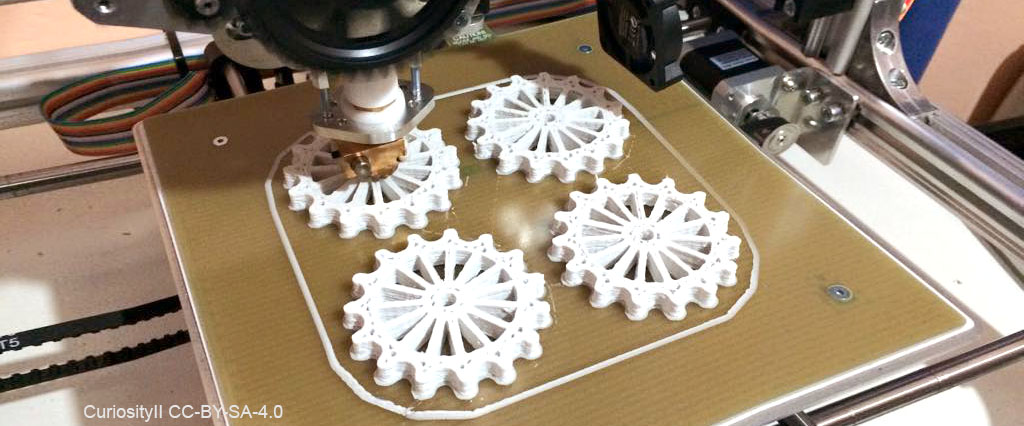
The 3D printing or additive manufacturing, so much talked about in recent years, is driving an evolution in manufacturing processes across various sectors such as, for example, goldsmithing, dentistry, automotive, and, as expected, the aerospace or aeronautical industry.
3D printing, or additive manufacturing, allows for the creation of repeatable parts with consistent quality.
It has mainly been used in prototyping given its Speed and low cost, as well as their ease of design without the restrictions imposed by conventional manufacturing. As it is a layer by layer construction from the inside, By optimising the product's manufacturing at all times, some intermediate stages can be eliminated and the product realised in less time. This allows for significant price adjustments. Given the multiple advantages of this type of manufacturing, it has quickly gained interest for other new functionalities, allowing for evolution and in turn generating new efficiencies in manufacturing processes.
As an example, specialised drones are currently built using additive manufacturing, tailor-made for use in agricultural tasks. These drones are manufactured from plastic materials, taking into account characteristics such as high resistance and low weight. If necessary, other parts are added to take on the shape required by the design conceived to fulfil its purpose.
3D printing can be useful in situations where you need to be supplied with Bespoke tools and equipment, such as in military operations and camps, aerospace travel, etc. Or to manufacture obsolete but necessary parts in the repair of machines that are impossible to obtain under other circumstances, being able to do without the Stocks that is invested in repairs, thus reducing the cost of parts replacement during maintenance tasks, for example.
The main objectives of additive manufacturing are Reduce time and eliminate design restrictions dependent on the production method. By being a layer-by-layer manufacturing process from the inside, rather than manufacturing from a block of material, it allows for the creation of diverse geometries that are not possible to achieve through other conventional methods, enabling a much lighter structure that can even dispense with assembly. In this way, many tools and additional parts that are currently used would not be necessary, nor would there be a need to establish assembly lines in this regard, thus significantly reducing delivery times.
As a constructive manufacturing, also material loss is reduced in production with the consequent saving in raw materials, characteristics that must be taken into account for the reduction of industrial costs.
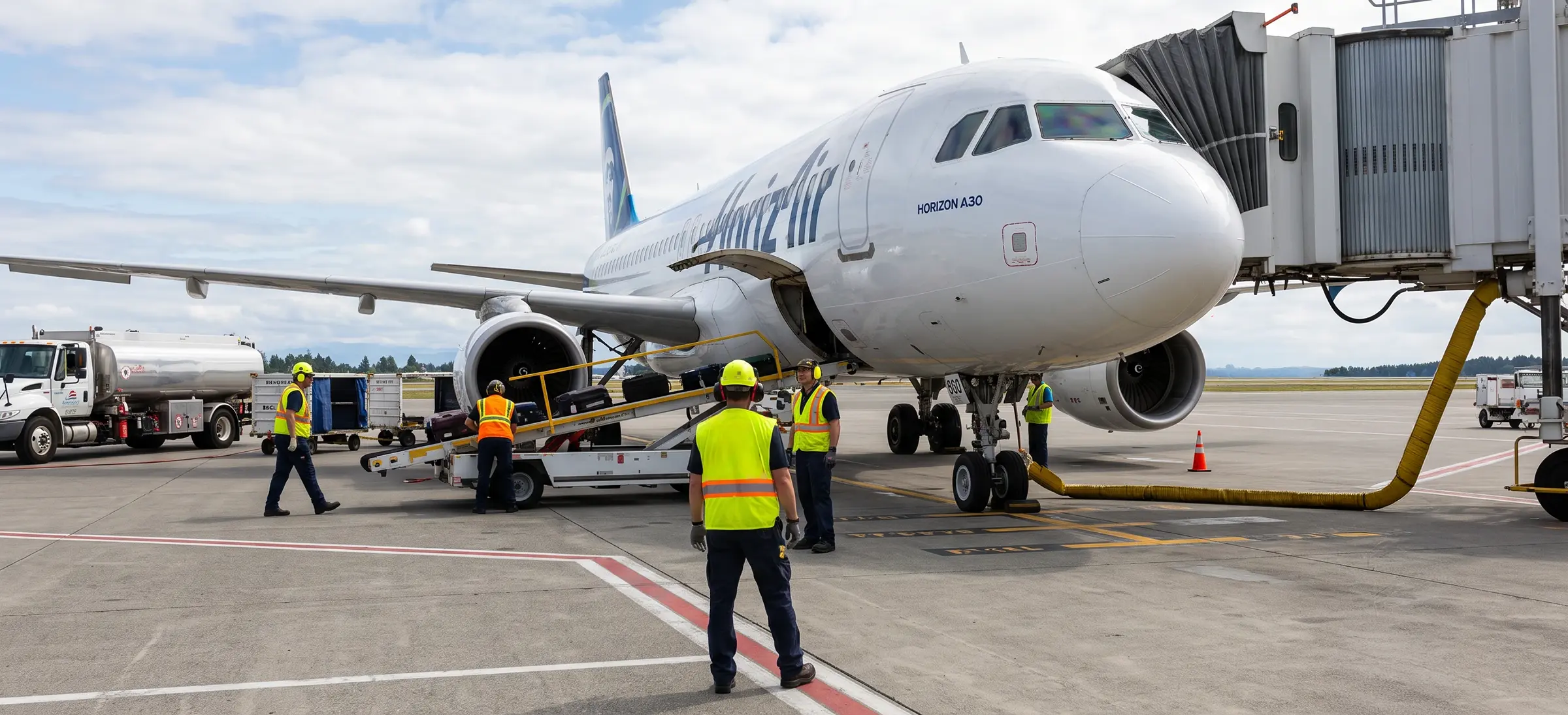
The aerospace sector requires two essential requirements from any supplier, the efficacy and safety, promoting the execution of repetitive, traceable, and efficient tasks with the minimum possible tolerances. 3D printing or additive manufacturing allows for the creation of repeatable parts with uniform quality, offering multiple advantages in part creation due to its low cost and ease of design. They are not so much structural as interior, aimed at the customisation and interior fitting of aircraft, making it a strong candidate for entering the aeronautical parts manufacturing market.
The development and properties of metallic components for elements manufactured by traditional methods, such as machining, are currently being thoroughly analysed, as is their potential adaptation for production through additive manufacturing using powder material and laser joining.
It should also be taken into account that 3D printing does not always present advantages over traditional manufacturing. The first one that might come to mind is the decrease in jobs. In-house manufacturing and the ability to dispense with traditional machinery and methods can imply a reduction in the workforce in manufacturing. On the other hand, the fact that it is so easy to replicate objects that have copyright registered can lead to a violation of copyright. Finally, the ease of access to this type of manufacturing, given that the personal use of 3D printers is unregulated, can lead to malicious use, with the danger that it entails the possibility of replicating, for example, weapons in an uncontrolled manner.
Despite everything, additive manufacturing still has a long way to go, and little by little we will discover its new applications and fields of use, taking advantage of the versatility that this manufacturing model offers us.