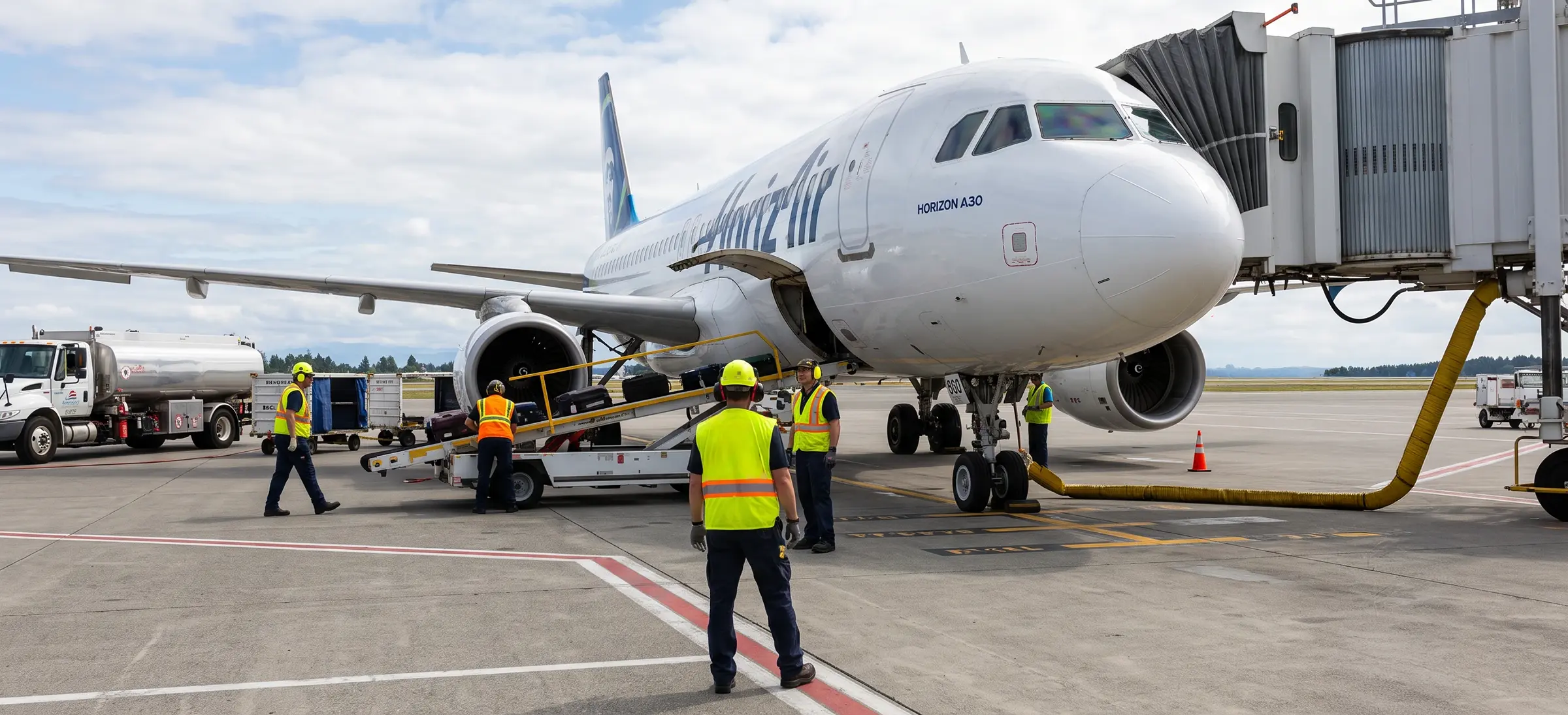
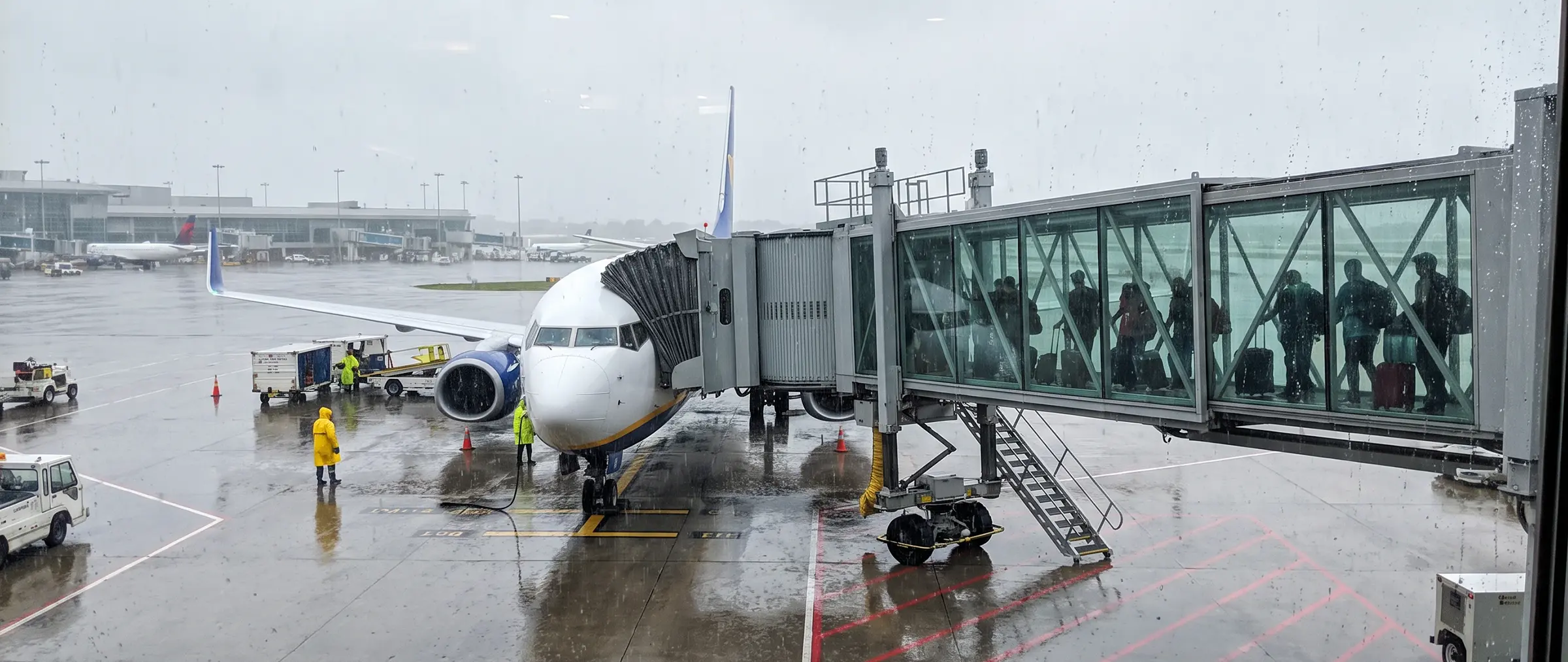
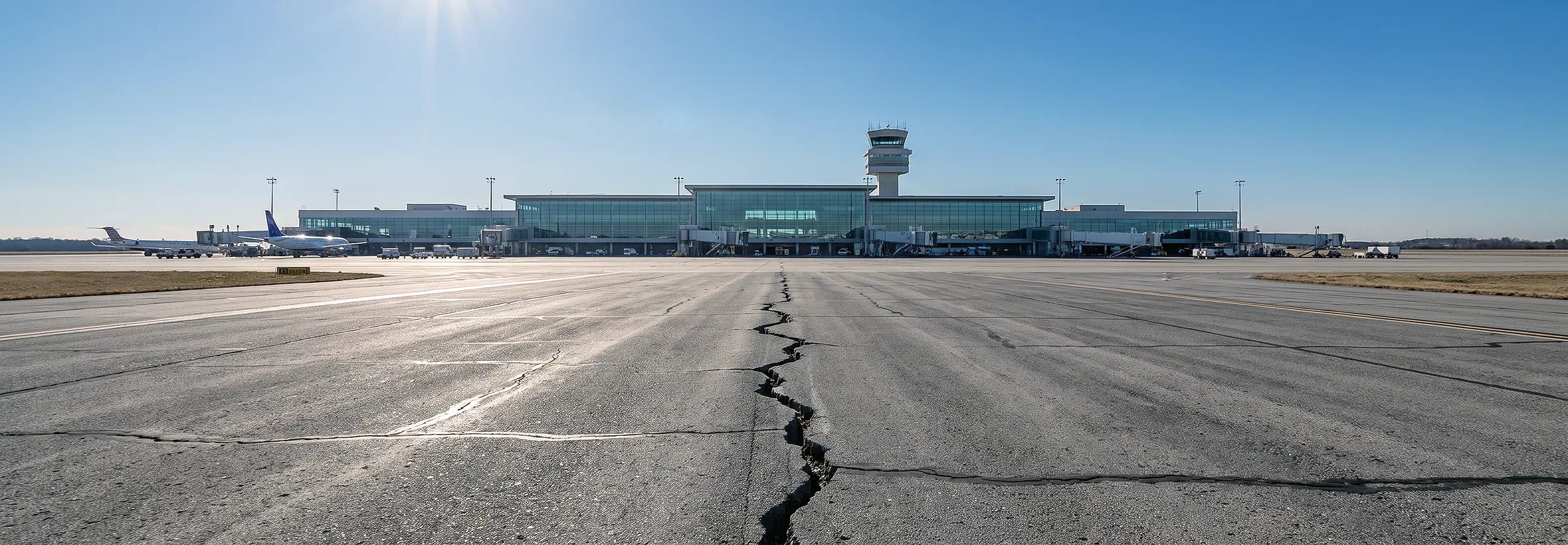
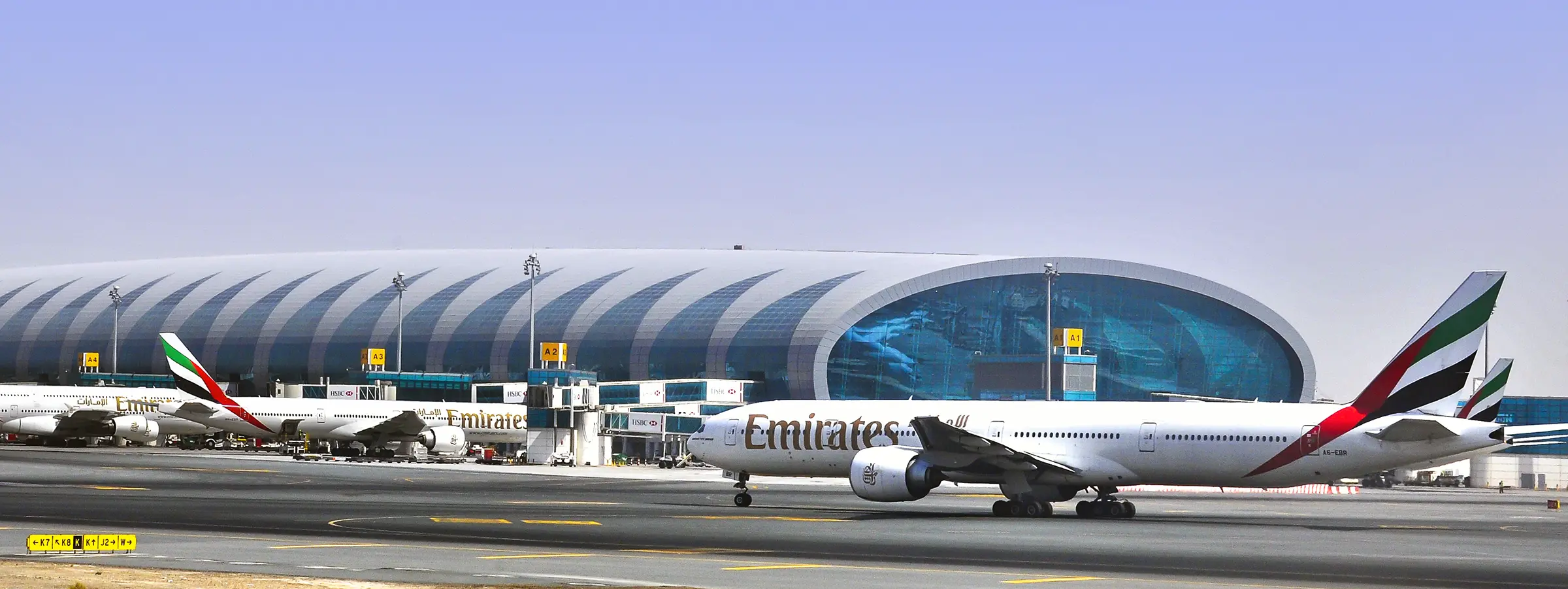
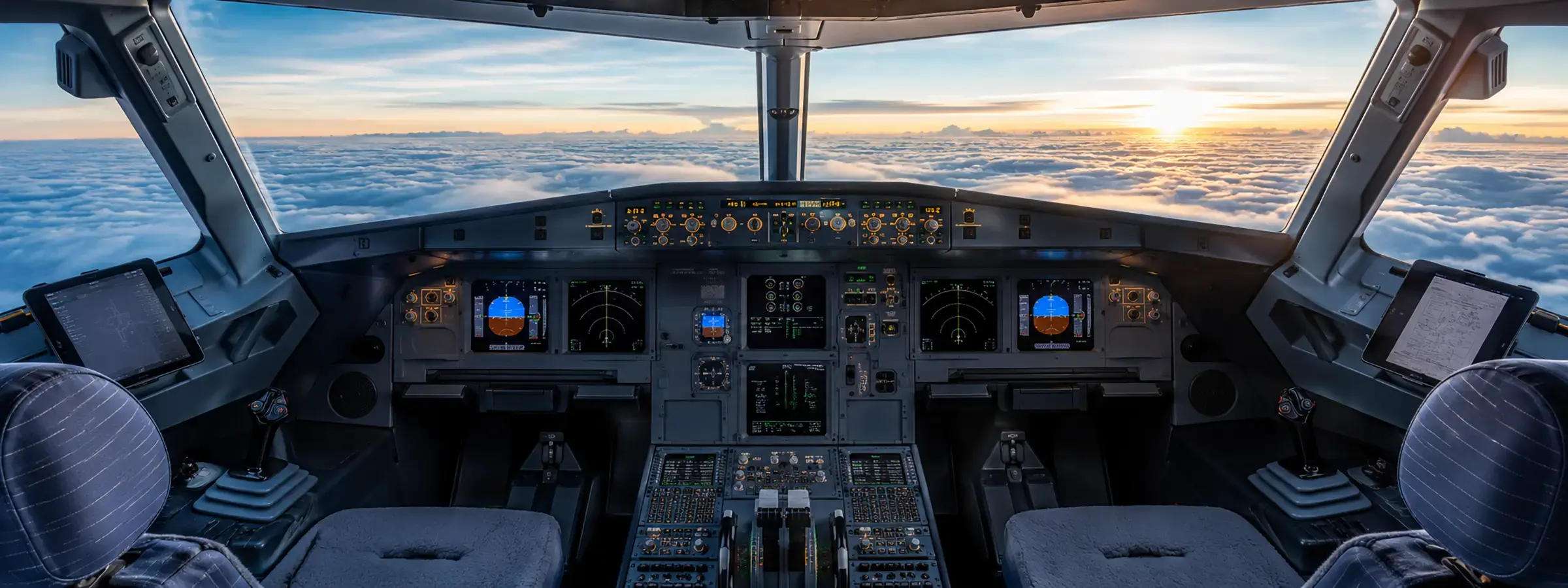
If you are familiar with photography or video you will undoubtedly know, the technique of timelapse. In essence, it consists of the assembly of a sequence of many photographs taken at regular intervals over a given period of time. When viewing the sequence, the sensation we get is that of a fast-motion film. A set of photographs taken over the course of a whole day could be viewed in just a few minutes.
The technique of timelapse It is transitioning from being a leisure item to becoming a very interesting resource for the analysis of flows and processes.
Apart from the aesthetic curiosity that this type of technique may arouse, the truth is that in some cases it can offer a very interesting resource for the analysis of certain slowly evolving activities. If we visualise any of the timelapses below, related to the activity of various airports, their common point is that any of the actions taking place in front of the camera from simple movements to flows. This means that we shift the emphasis from the object itself to the form and cadence in which it moves.
Flows at airports are important. Each airport operation requires several dozen tasks that must be carried out at the right time and under the expected conditions. This is an important premise for optimising their management and, inevitably, their safety.
The technique of timelapse allows to visually analyse flows, especially when it comes to repetitive sequences. Whether it's a sequence of take-offs and landings, or the development of handling operations, the accelerated movement of actions allows us to assess the correct execution of protocols and even discover any areas for improvement. This type of visual analysis complements the continuous auditing of airport operations, where the correct execution of each protocol—from handling to runway safety—is crucial.
While it is only about an additional element airport management aids, some airports have already established the recording, sequencing and analysis of timelapses as an element of work.
Below, we show a series of timelapses The results of these studies, which belong to various airports around the world, will surely help you to better understand the possibilities offered by this technique.
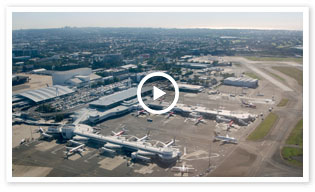
SYD
Sydney Kingsford Smith Airport
Mascot, Sydney, New South Wales, Australia
39,914,103 passengers per year
BOS
Logan International Airport
Boston, MA, USA
33,449,580 passengers per year
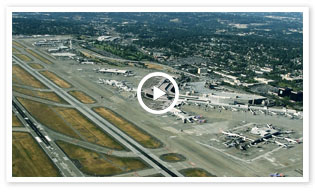
SEA
Seattle-Tacoma International Airport
Seattle, Washington, USA
42,340,461 passengers per year
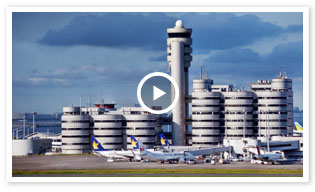
HND
Haneda International Airport
Ota, Tokyo, Japan
75,316,718 passengers per year
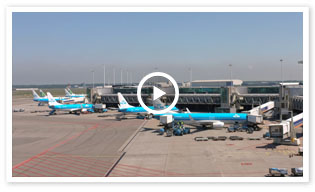
AMS
Amsterdam-Shiphol International Airport
Haarlemmermeer, The Netherlands
58,284,864 passengers per year
DUS
Dusseldorf International Airport
Düsseldorf, Germany
22,476,685 passengers per year
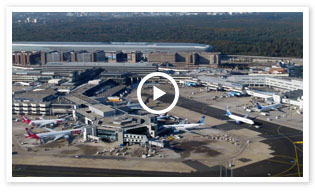
FRA
Frankfurt International Airport
Frankfurt, Hesse, Germany
61,032,022 passengers per year
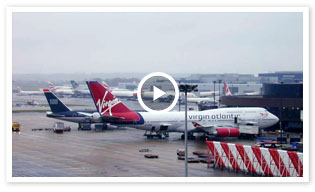
LGW
London Gatwick International Airport
Crawley, West Sussex, United Kingdom
40,271,343 passengers per year
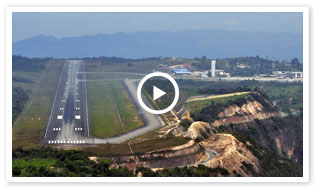
BGA
Palonegro International Airport
Lebrija, Bucaramanga, Colombia
1,839,969 passengers per year