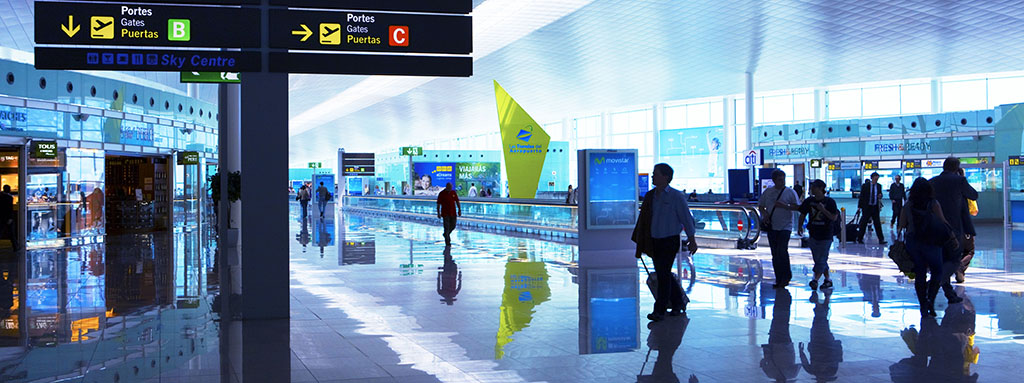
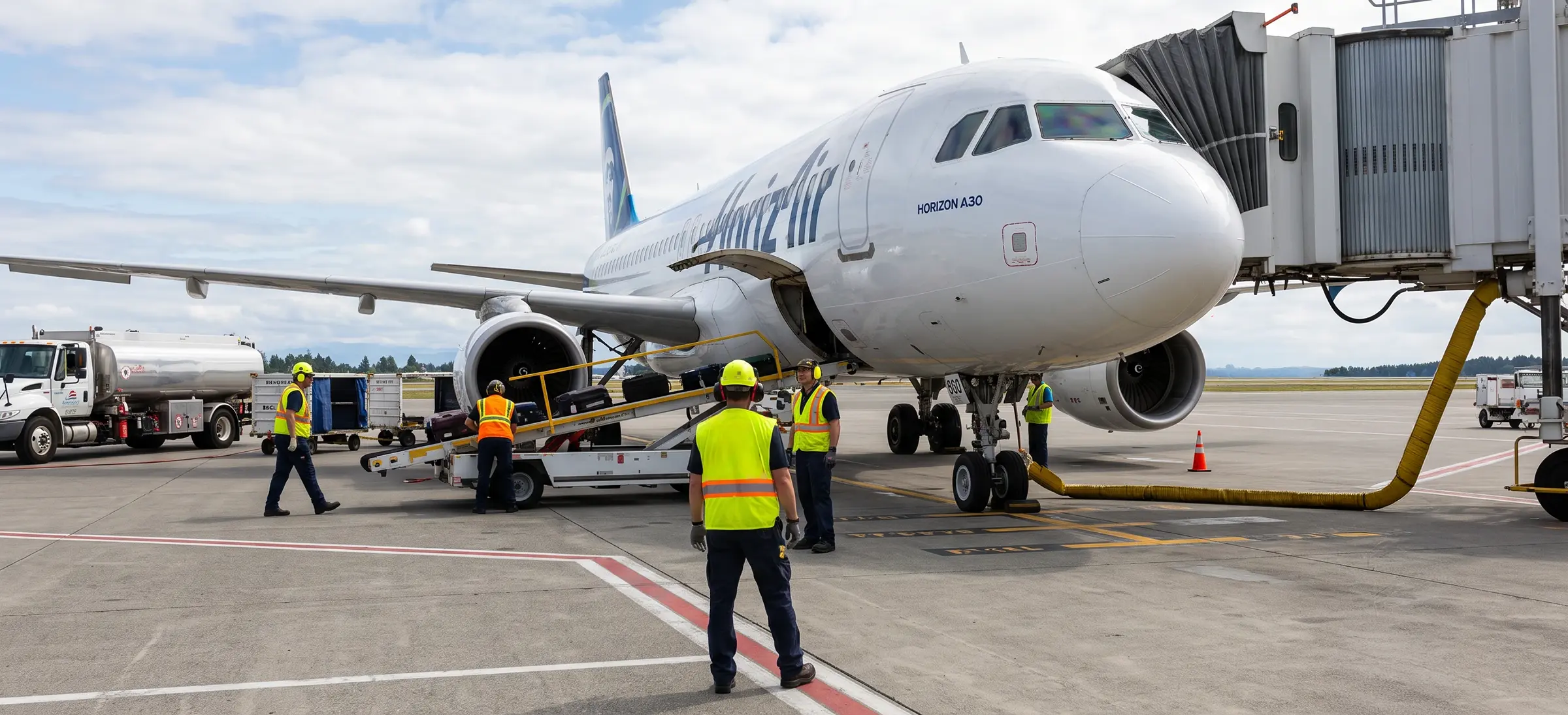
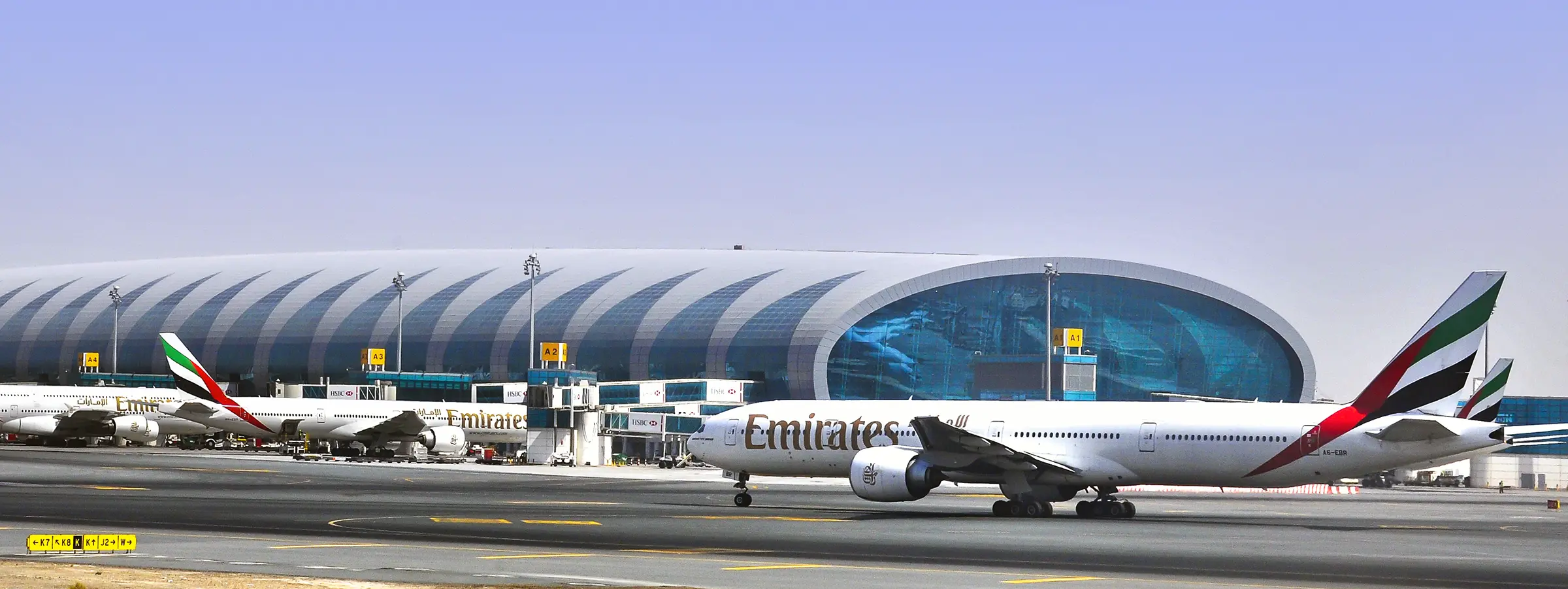
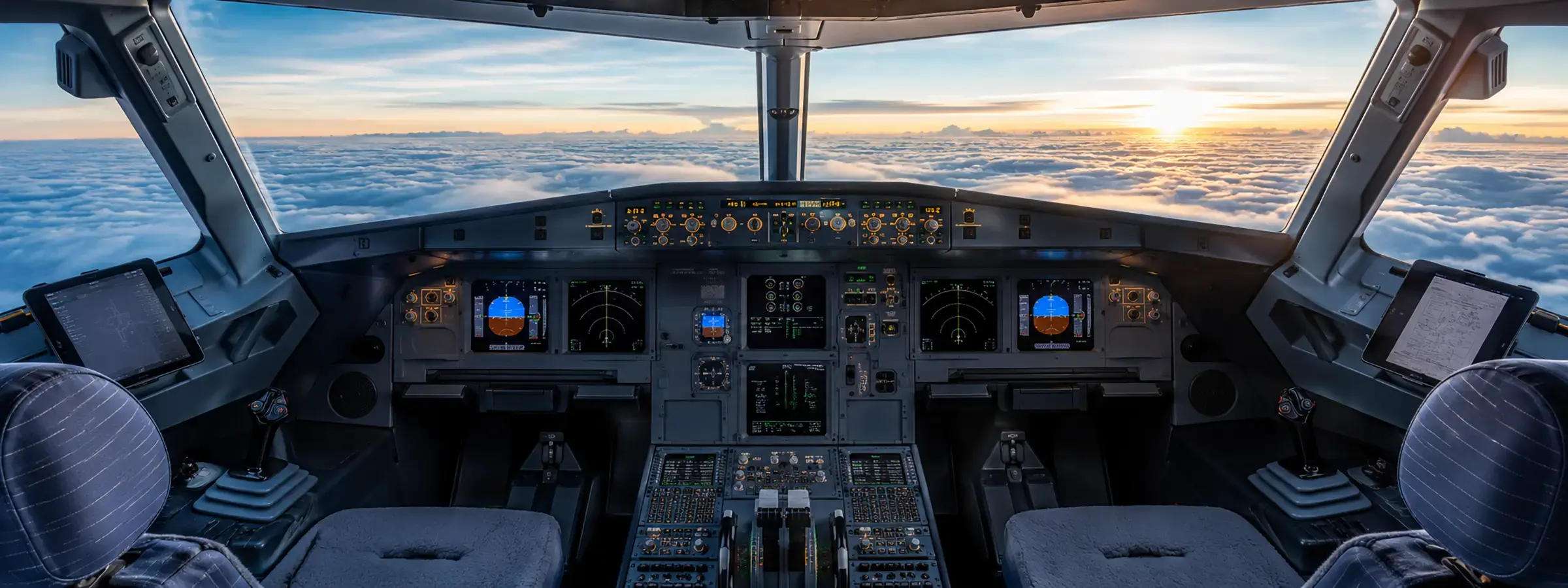
We have long been hearing the bodies involved in global airport development talk about the benefits that the The future of airports and their surroundings. And not only that, but there's rarely a day that goes by without new information emerging about a technological milestone that has been implemented or is going to be developed at an airport somewhere in the world.
The objective that any airport pursues is that passengers can transit from the entrance to the boarding gate without being hindered by the endless queues at security checks.
The reality is that we are living in an accelerated race to transform our airports, fundamentally driven by two reasons.
On one hand, technology is advancing very rapidly. The speed of innovation it is measured on an exponential scale that rarely allows us to predict what the next breakthrough will be and how quickly it will occur. The most novel aspect is, possibly, the forceful emergence of artificial intelligence in many processes which, together with Big Data, is achieving rates of automation, optimisation and efficiency of tasks that we could not have foreseen a few years ago.
The Convergence of diverse technologies in each of the processes that take place at airports, it is proving key in the improvement of their management and operation.
The second reason is the continuous cascade of investments happening in airports around the world, not just for the construction of new mega-airport facilities, but for the renovation and expansion of existing airports. These works incorporate a strong technological component which is totally reconverting facilities and services provided. There isn't a single region of the world where something like this isn't happening.
The change affects not only the part related to the passenger experience, but each and every activity that takes place in and around an airport. In reality, the future, if we can call it that, is more present in things we don't see than in what we directly experience as passengers.
There is a barrier that repeatedly appears in any airport that wishes to invest in technology and innovation to improve its management on all fronts. It is security.
Airports are infrastructures designed to manage the passage of thousands of people through their facilities daily, while also employing thousands of professionals. Consequently, Safety is a critical factor.
We must assume that the day will come when the intelligence installed in the airport will know in real-time everything (or almost everything) about anyone passing through its facilities, be they an employee or a passenger. And not only that, but it will be able to systematically analyse the attitude shown by each person at any given moment and autonomously decide whether they pose a threat or not.
The objective that any airport pursues is so that passengers can move from the entrance to the boarding gate without being held up by endless queues at security checks. We all know that 99% of the people travelling through an airport pose no threat, but currently we must all endure the toll of stress, time, and inconvenience that arises because the remaining 1% represents a risk and cannot be clearly and precisely identified.
The use of Big Data and Artificial Intelligence They are proving key to solving these types of problems. Facial recognition, for example, already allows for the automation of security checks in certain controlled environments. Other, more basic biometric techniques have already been deployed at many airports worldwide as an unambiguous identification method. The automation of behavioural pattern analysis techniques is another concept that is already being tested in some facilities. And this is only the beginning.
Another interesting aspect is to see how technological innovations can contribute to passengers consuming more and more at airport terminals through a Personalised and real-time information of the options available based on the passenger's tastes or preferences.
It may appear on the surface that this idea conflicts with what we have already discussed regarding facilitating quick passenger access to aircraft, but this is not actually the case. The trend set by technological advancements in airports is heading towards customisation. A passenger must have the option to choose whether they want to go directly to their boarding gate or, conversely, wish to have a leisure experience in the terminal. At the same time, it is logical and desirable for the airport to want to know if that person, or the attitude they display at a given moment, constitutes a risk.
It is a fact that technology is contributing to changing airports in every way and at an accelerated pace. It is possible that many times we perceive nothing more than the building, spectacular in many cases, but in reality, every step we take through the terminal or on board the plane will be supervised by a technology which will undoubtedly play in our favour.
Have a good flight.
Some recommended reading:
Bloomberg: “The airports of the future are here"
BBC News: “Facial recognition will be used at Singapore airport"
Future travel experiences: “10 technology trends for airlines and airports in 2018"
CAPA: “Airport technology / What passengers want: greater personal control of the airport process"
Future airports:«Web»