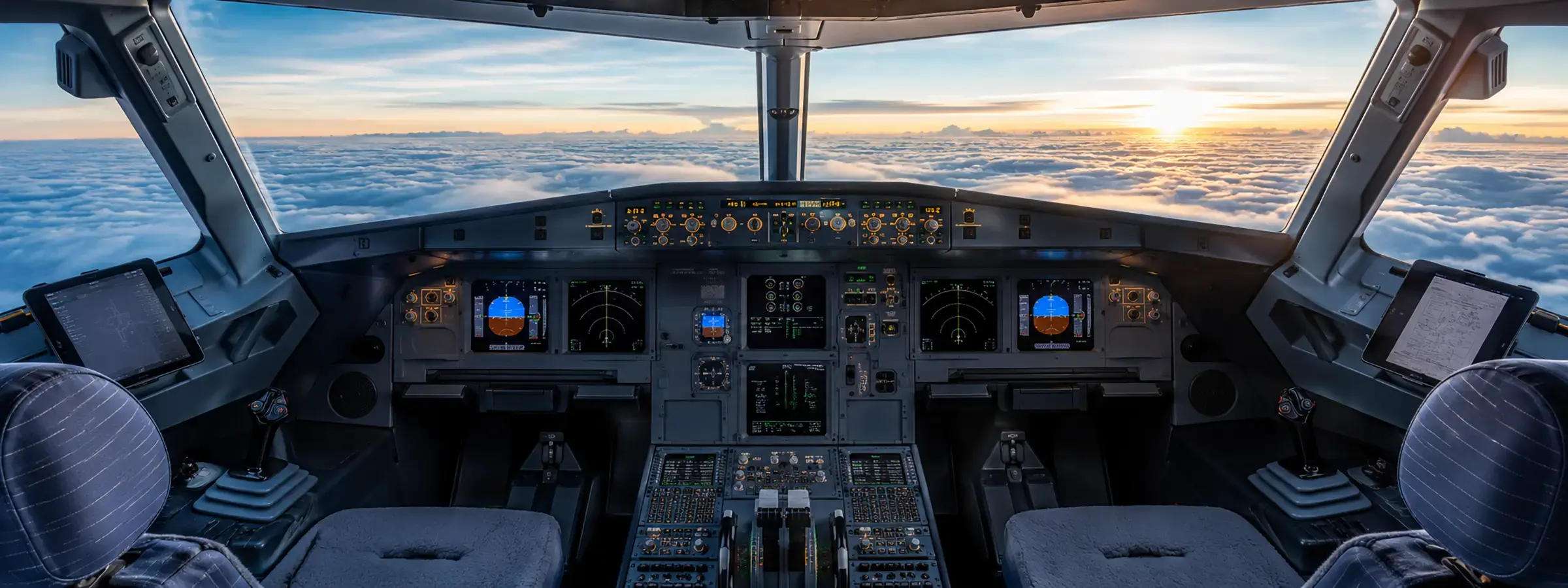
Aspects such as length, slope or orientation are key in the development of the operations of any airport.
The runways For aircraft, airports are their reason for existence. They are the fundamental element and everything revolves around the activity that takes place concerning them. The dimensions, orientation, condition, or number of runways available dictate the development of operations and, therefore, the airport's capacity. Furthermore, depending on the type of runway, some aircraft models will be able to use it and others will not.
The orientation of the runway is key to ensure that the winds or the orography are in favour of the greatest possible number of operations being carried out. Furthermore, the possibility of minimising the impacts (especially acoustic impacts) of the airport itself on nearby towns or protected areas also depends on it.
The length and width of the runway are going to be key factors in whether one type of aircraft or another can be used safely.
The pendingThe airport operations will also be determined by the terrain, which is often conditioned by orography.
In this infographics we take a look at those aspects that condition the geometry of airport runways, showing some examples of each of the cases.