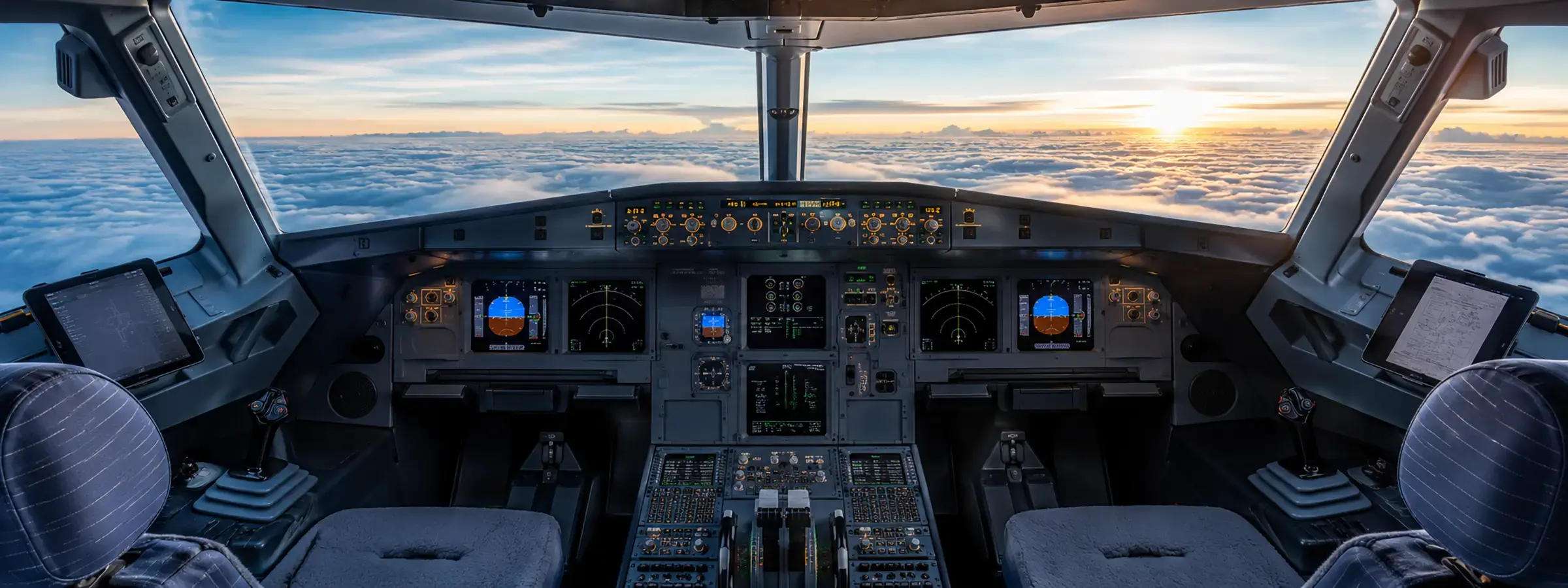
This is something we don't like to hear when we are sitting in a plane, ready to take off. It means that the airspace is saturated, the weather is bad or the processes on the ground are not working properly.
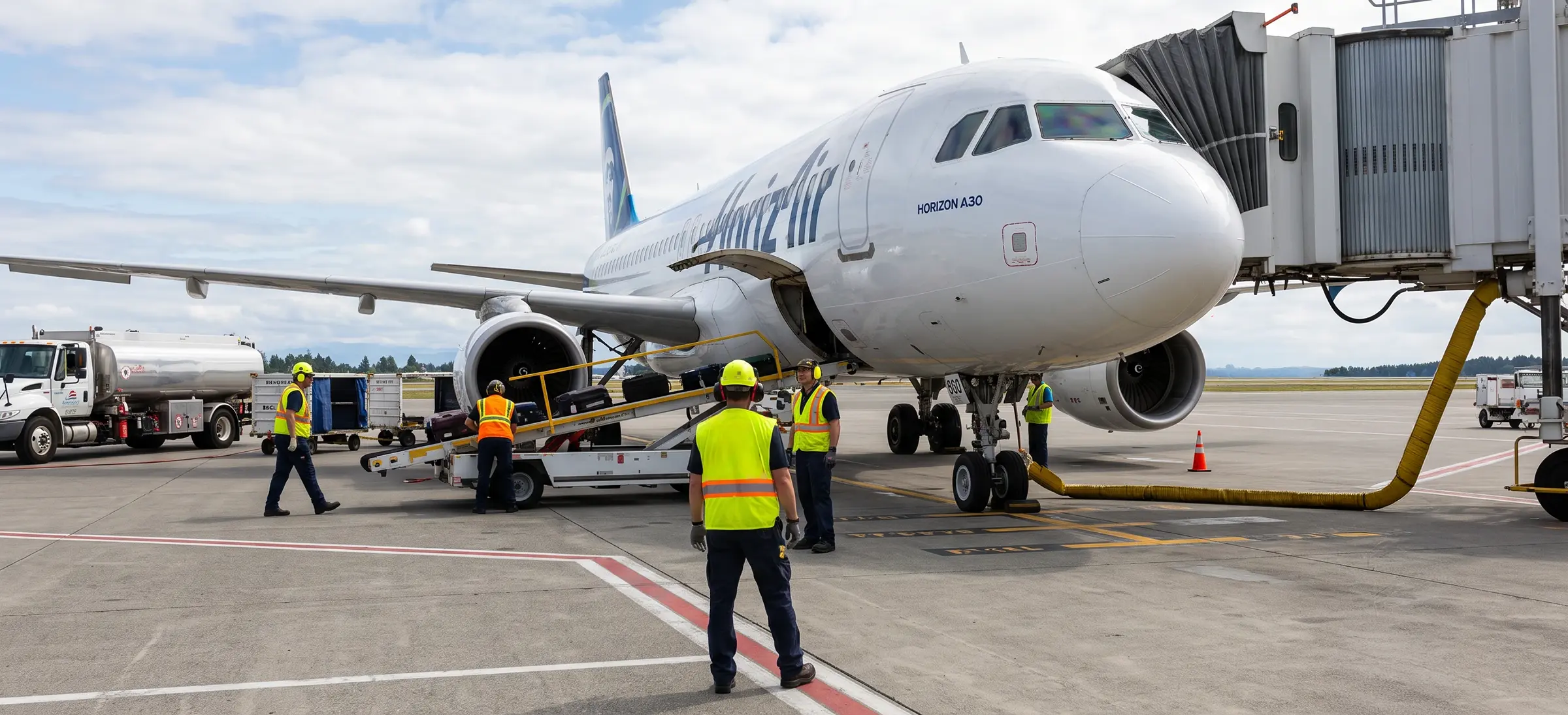
I'm sure you've all flown before. Flying is just another way of travelling. When you take the car on holiday, the first thing you do is check the car and go to the petrol station to fill up as needed.
A modern standard in the electronic exchange of refuelling data can make the difference between taking off on time or not.
Airlines do exactly the same. With one small difference: the petrol station goes to the plane. So there's the pilot, the fuel supplier, the airport, operations control, weather conditions... and we end up late!
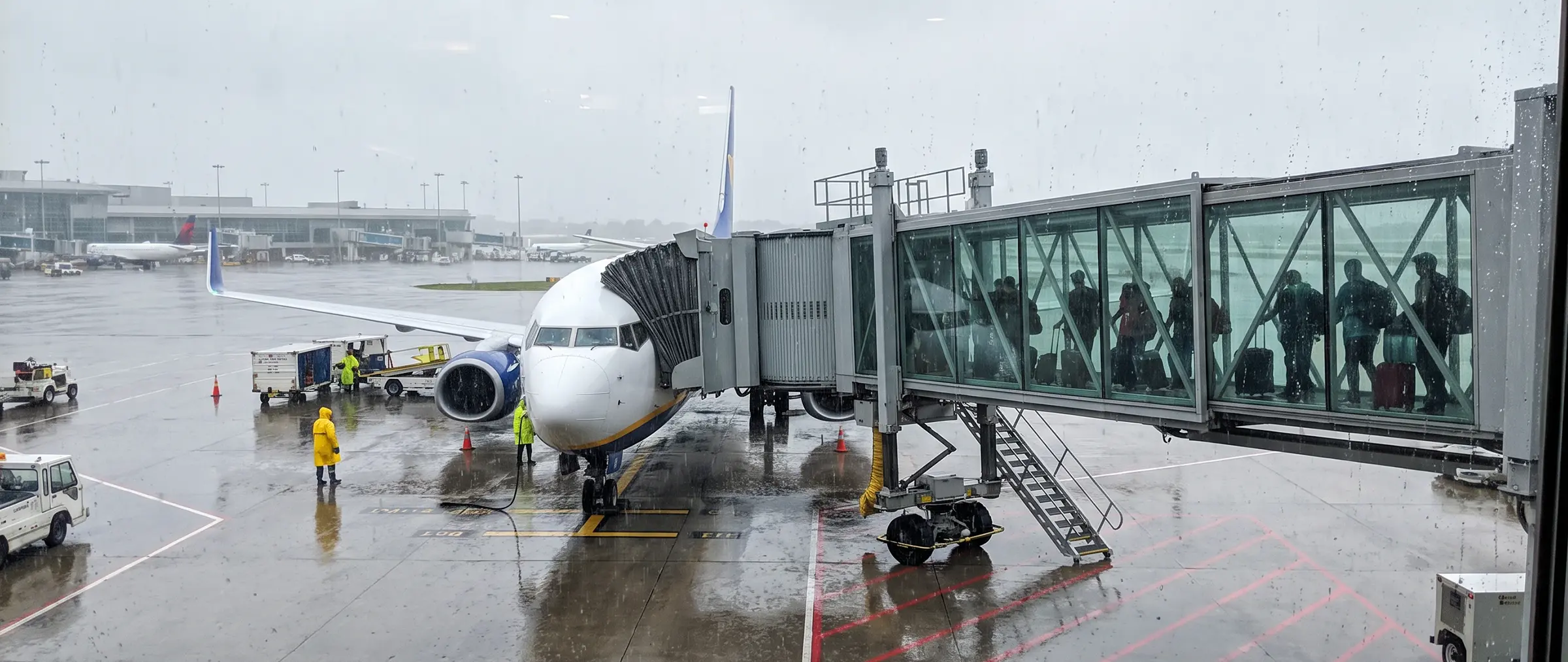
As many of you will already have noticed, passenger embarkation and disembarkation is a time-consuming process. This procedure is very time-consuming and only leaves the supplier a small margin of time to supply fuel to the plane.
Until now, most airlines and fuel suppliers around the world have had to rely on verbal communication and cumbersome paperwork during the process.. This system is time-consuming, sometimes inaccurate and can lead to misunderstandings. It also requires a complex and time-consuming administrative process to reconcile invoices and send them to the relevant oil company, which will then send an invoice to the airline. With over one million refuellings per year performed by the Lufthansa Group alone, you can imagine that there is room for improvement. How can we get rid of the paperwork?
The answer is right there in front of us: the digitisation.
The airline community, with Lufthansa as one of the leading companies, has developed a standard which will allow all the above-mentioned stakeholders to communicate earlier, faster, more reliably and ultimately more securely. All this is done thanks to various communication methods used on the ground when handling an aircraft.
The electronic exchange of refuelling data already exists at other major airports around the world, but due to the absence of a standard, each refuelling service had to carry such devices (laptops, tablets, phones, car computers) to meet the requirements of airlines and fuel suppliers.
With a modern standard, It is now possible to provide the supplier in advance with the amount of fuel required, send the exact time of arrival, allow the supplier to start the refuelling without having to communicate verbally with the crew, obtain an electronic confirmation from the cockpit and proceed to the next operation without having to wait for the pilot to sign off. Refuelling should normally take place when there are no passengers on board. Since refuelling should be carried out in a short time frame of no more than 15 minutes, this electronic process can make a difference between taking off on time and the pilot saying... «we are waiting for a slot».