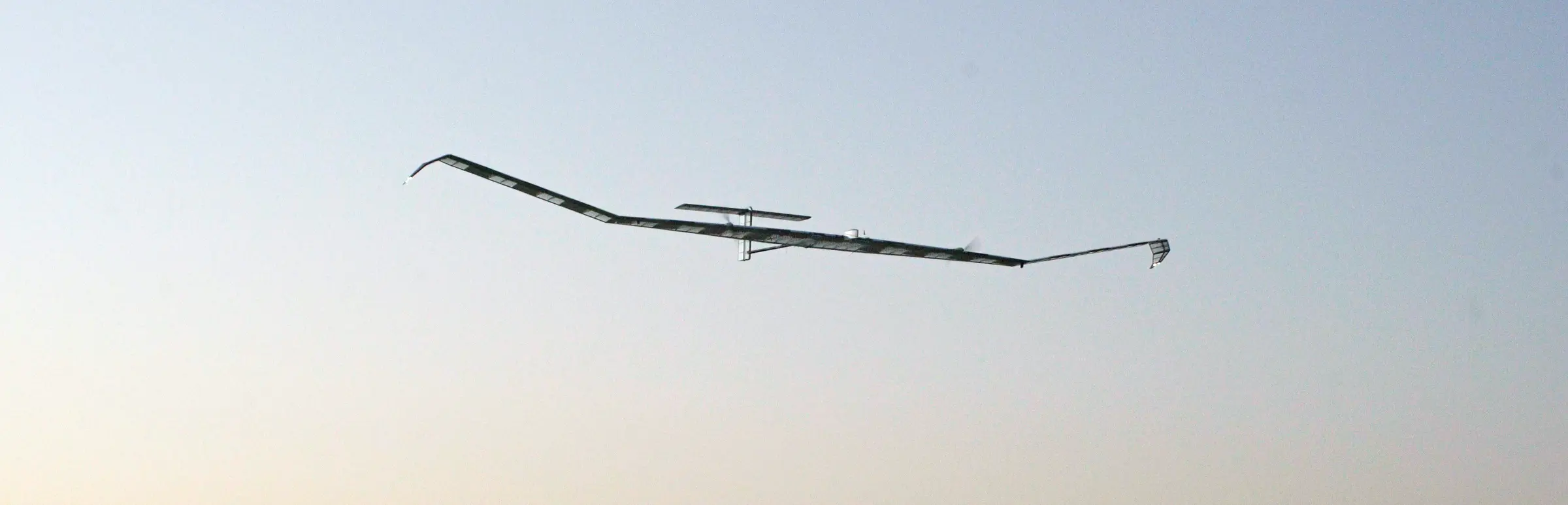
When the word «drone» is mentioned, most people think of Military drones that are used to take down insurgents or in quadrocopters with integrated cameras used by the cinematographers.
In recent years, unmanned multirotor aerial drones have become increasingly popular and have primarily been used as mobile camera platforms. Thanks to their excellent maneuverability, they function much better for this purpose than remote-controlled helicopters—a technology that is hardly mentioned anymore. Among the technological advancements that have enabled this drone revolution are high-capacity lithium-ion batteries, more compact motors, and increased mobile processing power. This Processing power is essential for drones, Because they are inherently unstable, they therefore depend on their flight control unit to remain in the air.
The use of drones outdoors is regulated in an increasing number of countries, although there are noticeable differences in the scope of requirements and restrictions.
However, recently the use of drones for commercial purposes has become the focus of attention. Amazon, for example, has popularized the concept of drones for the delivery of small packages that cover the «last mile» of delivery.
In the aerospace sector, drones have many applications outdoors. This use is regulated in increasingly more countries, although with noticeable differences in the scope of requirements and restrictions. In the case of Spain, this regulation, which is very detailed and requires a series of permits and certifications, is the responsibility of the AESA (State Agency for Aerial Safety). In the United Kingdom, for its part, drones weighing more than 20 kg must comply with a series of authorization and flight crew license requirements. Drones weighing less than 20 kg must be operated within the operator’s field of vision, but do not require a license.
Thanks to an attached camera, drones can be used for inspecting the exterior of a facility. For example, camera-equipped drones are currently being used to ensure that there are no bird nests blocking the gutters. This significantly reduces inspection time compared to a manual inspection. Additionally, the drone can be used to scare away the birds and deter them from creating nests in the future.
Airlines like Easyjet are also testing inspection drones. In this case, the goal is for them to be able to carry out the inspection. Aircraft inspection prior to flight in a completely autonomous way. The advantage of drones, compared to human inspectors, is that they can easily see the upper surfaces of the wings and the fuselage.
Drone cameras are being used today as surveillance systems. These drones are usually controlled manually to patrol a specific area and make it easier for the operator to identify any illegal activity. In order to use them autonomously in the future, integrated obstacle detection systems will be needed, which are becoming increasingly effective in preventing collisions.
In the construction of a new airport or new aerospace facilities, drones are helping in the topographic recognition. Its integrated camera captures high-resolution images of the possible construction site. Subsequently, during the post-processing phase, detailed 2D and 3D surface maps are obtained from these images.
There are only a couple of factors that can slow down the rapid growth of the sector in certain countries. The first is the absence of regulations regarding drones for outdoor use. These regulations are well defined for use on private grounds away from the general public, but they are not entirely clear regarding their use near people. The second limiting factor is the lack of standardization regarding the obstacle detection and autonomous drone navigation systems. Visual navigation is the ideal technology for most autonomous drones, but there is still much to be improved. Given the enormous economic potential and the rapid pace of technological development, it is most likely that these limitations will be solved in the very near future. These advances could, with all probability, change the public perception of the drone concept.