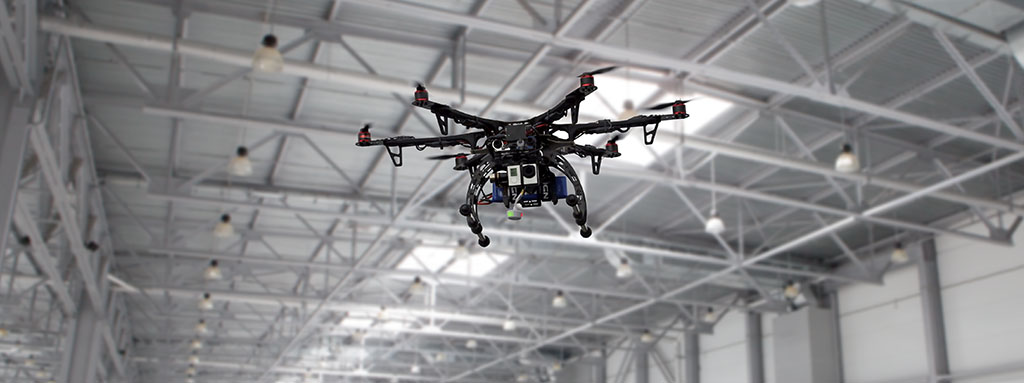
Currently, most commercial applications of drones are focused on their use outdoors; however, they also offer great potential for indoor use. Advances in the field of automation have led to a greater presence of robotic systems in factories, which tend to offer much more flexibility than their predecessors. That said, none of these systems are capable of use in full three-dimensional space indoors How do drones do it, which have the maximum adaptability and configuration.
The widespread implementation of indoor drones in the sector is inevitable.
drones allow you to save a lot of time in the Inventory check, as they can reach higher areas, located at heights that are difficult for operators to access. The American department store chain Walmart is currently developing and testing a drone system for this purpose. The drone is controlled manually and, using a camera, automatically reads product inventory tags. Walmart estimates that this drone system will be able to carry out an inspection in a single day, instead of the 30 days it takes to perform it manually.
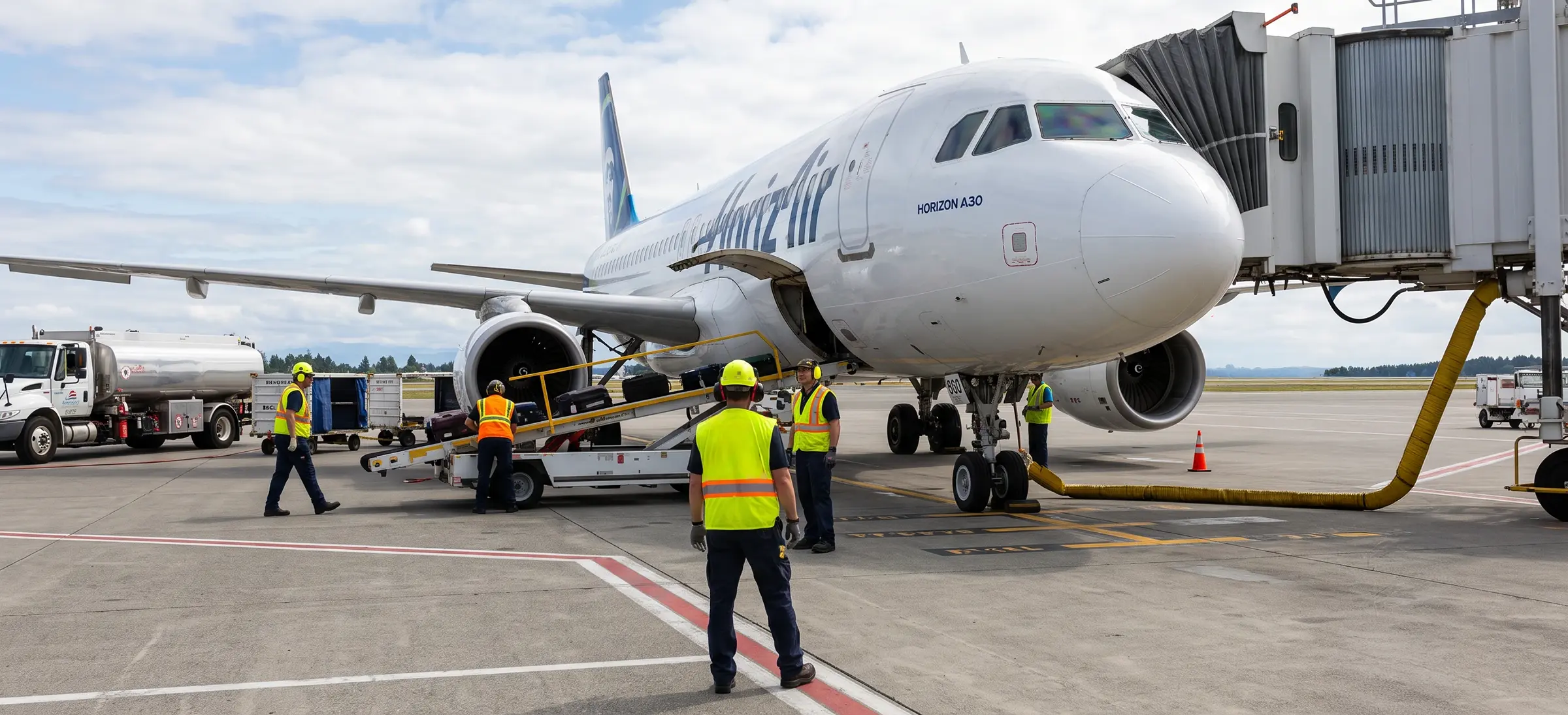
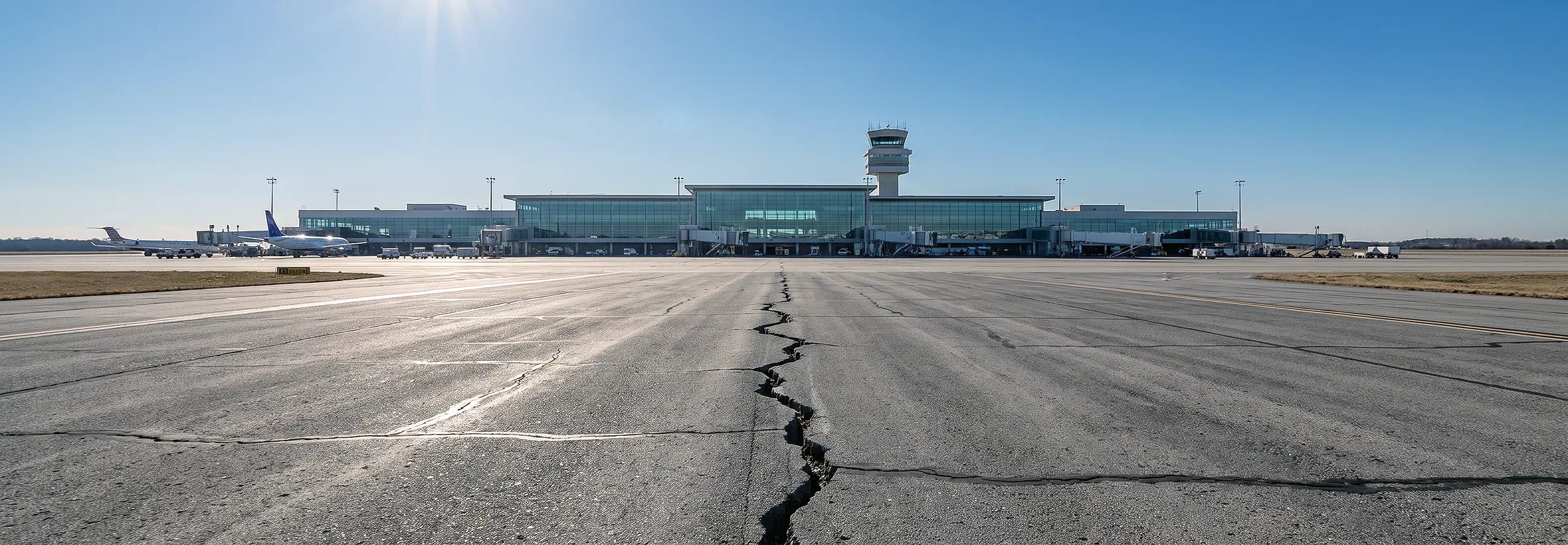
Drones for internal inspections could also be useful for inspecting completed assemblies. For example, a drone can be used to detect small cracks, scratches, or missing rivets in an aircraft assembly. A key aspect of this drone application is the Image recognition technology. Although a drone will never tire or lose concentration like a human operator, it is fundamental to recognise all the imperfections, so this technology still has a long way to go for commercial implementation.
The delivery drones, such as those being trialled by Amazon and UPS, are perhaps the most interesting commercial application for drones. For instance, indoor delivery drones can function as a delivery system for small components. Drones are ideal for applications with a medium-low volume but with diverse delivery routes. However, the prospect of a drone flying overhead may cause some concern, especially considering that many medium-sized drones weigh over 10kg, including their payload. Another issue is the noise they generate. A drone emits almost as much noise as a vacuum cleaner. Possible solutions to these issues include, among others, the use of safety nets and the establishment of flight paths away from operators.
Delivery drones can carry packages for a maximum of 40 minutes without recharging. Most drones on the market cannot fly for that long due to their limited battery capacity. The cost of adding extra batteries, as well as the possibility of offering upgrades in the future, are reportedly the reasons why manufacturers do not offer features to maximise flight time.
For fully autonomous drone systems to operate effectively, automated charging stations are needed. The most novel method of automatic drone charging is based on the use of inductive charging terminals. It is enough for the drone to land at the terminal: an operator doesn't even need to plug in any cables. For drones that need to operate almost continuously, there are stations for changing batteries; although they are expensive and complex, they allow the drone to be made the most of.
It appears that the widespread implementation of drones in the sector is somewhat inevitable. According to predictions by PricewaterhouseCoopers, revenue from commercial drone applications will increase massively, from the current $2 billion to $127 billion by 2020. The advantage of using a drone within a building is that currently, there is no No AESA (State Air Safety Agency) regulations applicable. This means that companies have almost complete freedom to test the capabilities of drones within their facilities, as long as basic safety regulations are met. Therefore, companies should take advantage of this freedom and push for the testing and development of this technology for the future.