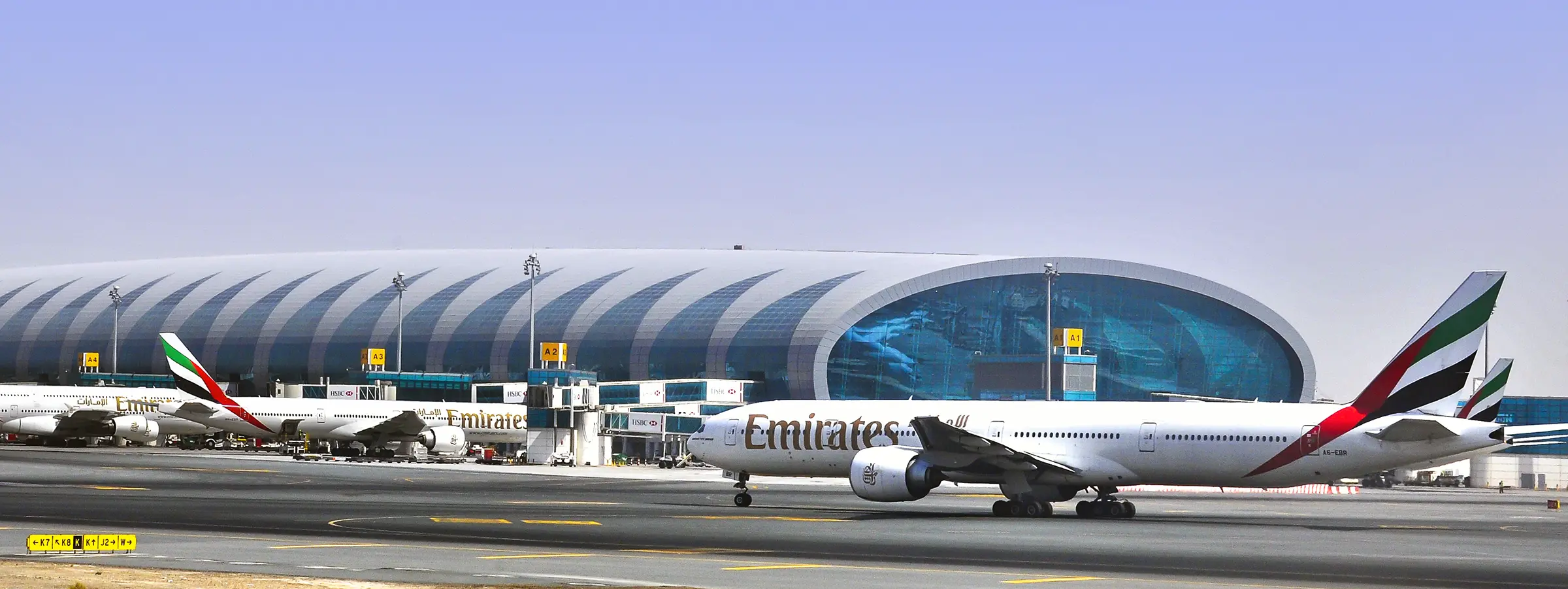
Achieving zero carbon emissions by 2050 requires action at every stage of airport projects: planning, design, construction, operation and maintenance.
The aim of achieving zero carbon emissions in 2050 in airport environments is necessarily a global necessity. It is a goal that must be pursued in all areas, including engineering.
For years, most major airport engineering and consultancy companies have included sustainability principles in all phases of any project.
These principles are taken into account in the PLANNING phase considering, for example, the possible limitations that emission restrictions may place on passenger growth. This implies, among other things, a strict year-by-year needs analysis.
In the DESIGN phase The airport expansion plan, in addition to including the use of more sustainable construction materials, facilities with lower consumption or the use of renewable energies, etc., acts on the phasing of infrastructures. Carry out a design that allows for gradual increases in capacity only in those subsystems where new needs are identified. In this way, capacity will be adapted to demand more precisely.
As a result, all of this allows carbon emissions to be minimised, not only in the CONSTRUCTION phase, but also in the OPERATION and MAINTENANCE phases of the infrastructure. Correctly dimensioning an infrastructure and its extensions is undoubtedly vital in the later phases, something that is sometimes underestimated.
When planning future infrastructure, it is particularly important to note that emission reduction measures will have an impact on traffic forecasts by producing a increase in air fares due to a combination of three main factors:
- The increase due to carbon offsetting programmes by airlines. Currently there are already 30 airlines that are undertaking voluntary carbon offsetting, paying a fee based on the amount of carbon footprint they leave on each trip.
- Increasing government taxes on CO2 emissions, as is already the case in countries such as Sweden.
- The gradual adoption of sustainable aviation fuel (SAF) which doubles the current price of an itinerary with respect to current fuel.
These considerations have been taken into account, for example, when drafting the Master Plan for Kuwait International Airport. During the prognosis analysis, a traffic scenario has been developed which takes these considerations into account and anticipates a 30% decrease in total passengers compared to the base scenario.
Reaching the goal of zero emissions by 2050 is feasible, but only if we are realistic in planning the measures to be considered. Among other things, planning needs to take into account:
- The evolution of technological developments. Solutions must be proposed, but taking into account the maturity of each solution. For example, in the handling operation agreement for the new Abu Dhabi airport, the use of 100% for electric handling vehicles was included. When the time came to do the prospecting, they found that batteries for heavy handling vehicles were not viable because, due to the high temperatures of the pavement in the summer in Abu Dhabi, their performance was much lower than usual, so the increase in the number of handling vehicles required was very high.
New batteries are currently being developed that will enable the use of these electric vehicles in the future, allowing the deployment of fleets of electric 100% handling vehicles. However, the planned and actual implementation date of this measure are different and therefore the reduction in carbon emissions will be lower than expected.
The solution is the right one, but the proposals were not mature enough to be implemented.
- In addition, account will have to be taken of the cost of implementing these measures. Continuing with the example of handling vehicles, although the operating costs of electric vehicles are lower, it is necessary to consider the increase in REPEX costs, mainly due to the useful life of the batteries, and CAPEX costs, which are higher as they include the infrastructure needed for charging or the need for more vehicles due to recharging times.
- The externalities linked to the implementation of the changes. Each change that is established with a zero emissions objective in mind is part of the overall airport infrastructure and the activities that take place within it. Consequently, it is necessary to consider how each change will affect the airport infrastructure. These changes include integration with local low-emission public transport modes, waste management, the role of users in ensuring that they are consistent with the measures adopted, and the undisputed impact of the changes on the airport's business plan.
New ways of operating airports to achieve zero carbon dioxide emissions target will necessarily involve changes in infrastructure. Planning what they should look like is important, but so is deciding when and how to implement the changes.
On the other hand, we must not forget that the fight against climate change in the field of airports is not something that is the exclusive competence of the planners and operators of the infrastructures, but we must also take into account the role that users will play. In this sense, it is important that engineering and consultancy firms also get involved in making proposals that involve airport employees and the travellers who use them. Every small gesture counts, because the sum of all of them will bring us closer to the common goal of sustainability.