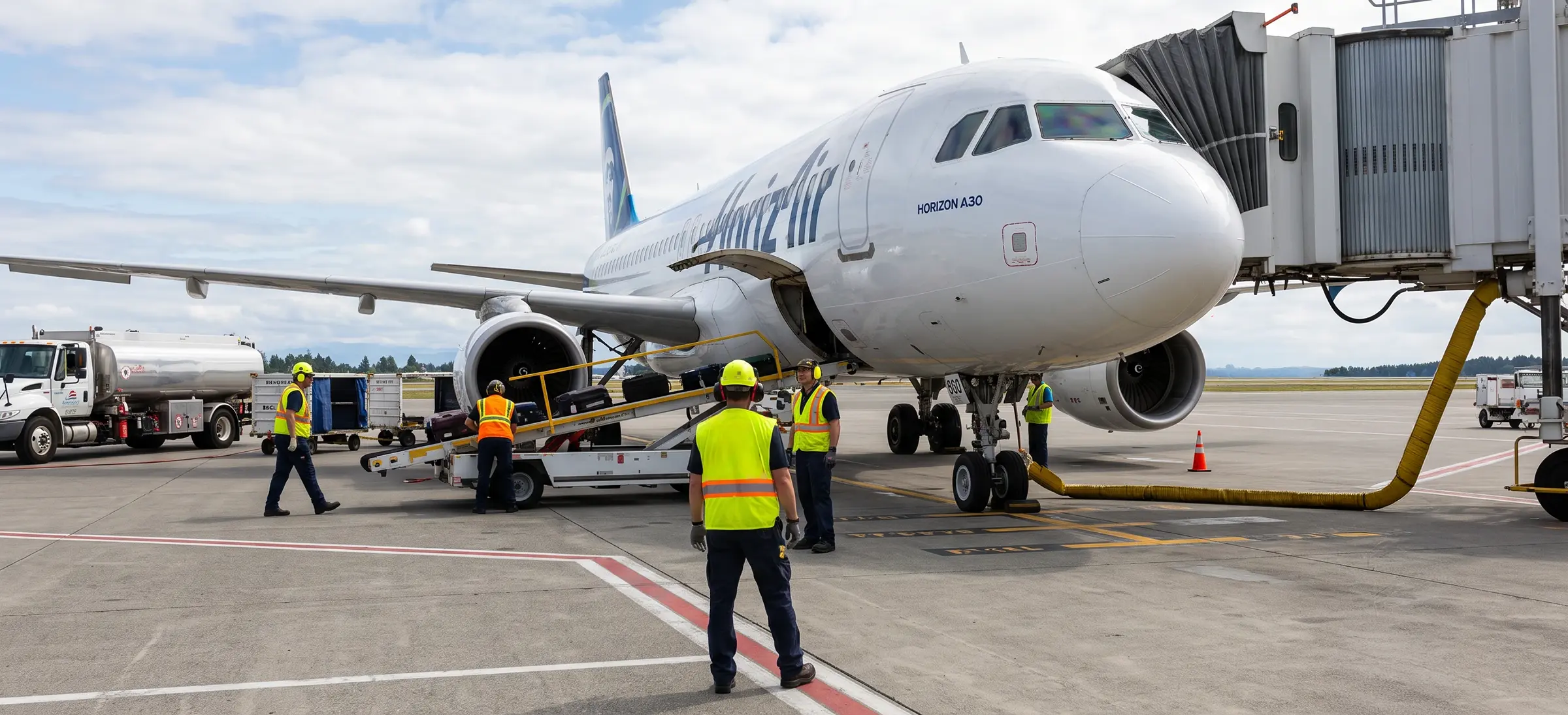
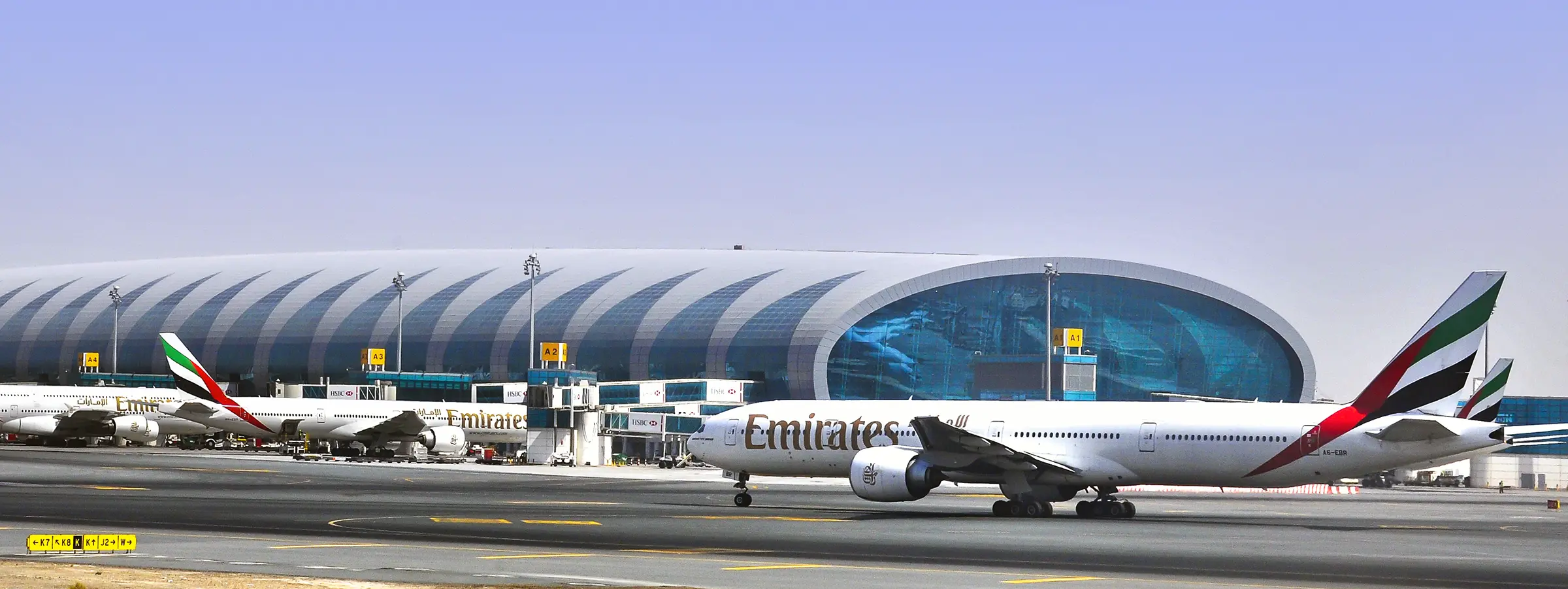
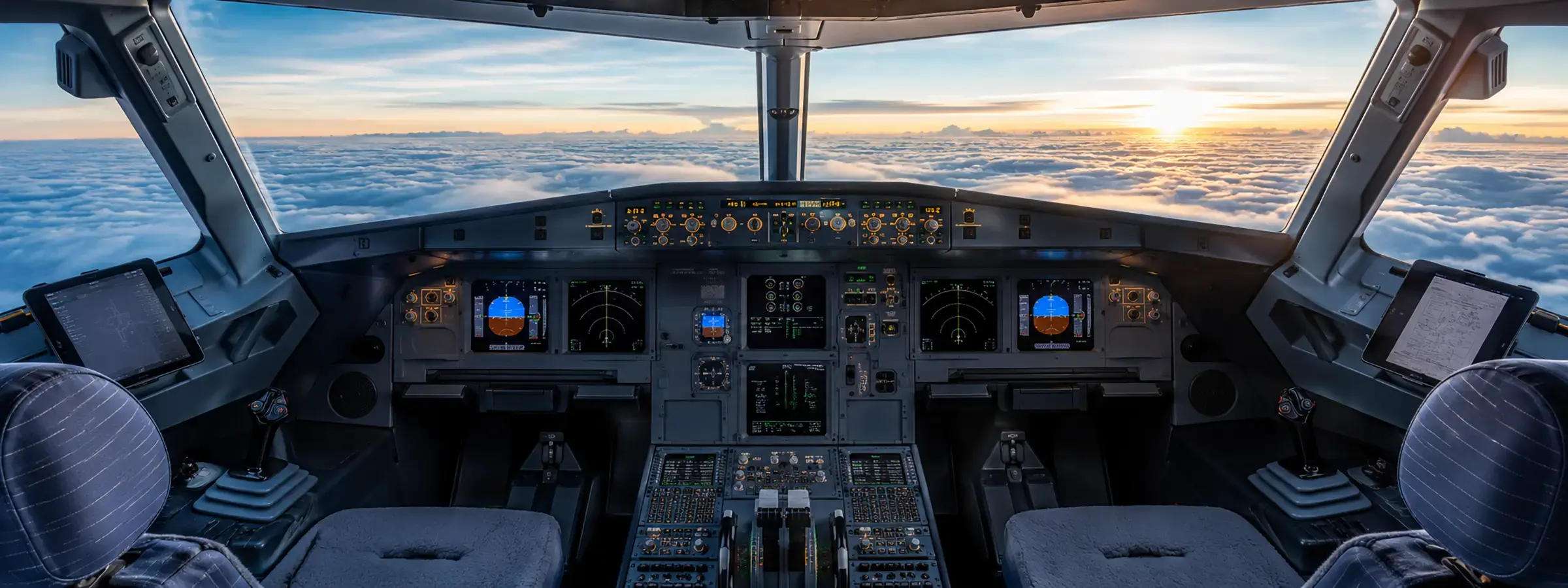
Airlines are engaged in a constant battle to become more competitive, maximise their revenue, and maintain high levels of passenger satisfaction, although it's not always possible to fulfil every wish.
Friends sometimes ask me, knowing I work for a major aerospace engineering and technology company, about Which airlines or which aircraft are the most profitable. As would be expected, the answer is not as simple or direct as the question itself, but let's try to shed some light on this interesting matter.
When referring to aircraft, their profitability and efficiency can be measured from different perspectives, such as cost per seat-mile (CASM), the Fuel consumptionthe load capacitythe durability and the maintenance costs. Each of these concepts may be more of a priority than another for companies, but in general, it is the sum of all these parameters that defines the best aircraft in each case for a particular company.
If what we are trying to define is the most profitable aircraft currently, without a doubt there are two that stand out above the rest: the Airbus A320neo and the Boeing 737 MAX. Both are part of the two families of commercial aircraft whose models have been the best-selling in history, far exceeding 10,000 units in each case.
The A320neo is the upgraded version of the A320 family, featuring more efficient engines and aerodynamic improvements. Its operating costs are very low thanks to reduced fuel consumption and lower maintenance costs, making it very attractive for low-cost carriers.
For its part, the Boeing 737 MAX also incorporates efficiency and technological improvements, being a very suitable and cost-effective aircraft for short and medium-haul routes thanks to improved fuel efficiency and lower operating costs.
If the criterion we prioritise is that of the efficiency, the champions are the Airbus A350 and the Boeing 787 Dreamliner. Both are wide-body aircraft and are designed for long-haul routes, use advanced composite materials in a significant percentage and complement their attractions with a A high level of passenger comfort.
In terms of efficiency, the A350 has very low fuel consumption per seat and offers high operational efficiency, making it ideal for transoceanic routes. In the case of the Dreamliner, its advanced design and efficient engines also make it one of the most fuel-efficient long-haul aircraft per seat.
The profitability of air transport companies
In practice, the profitability and efficiency of one model of aircraft or another will depend on its intended purpose, which is directly linked to the business plan of the airline that acquires it. In other words, it can vary depending on the operational strategy of each airline, the routes it operates, available fleet, alliances and other specific factors.
This leads us to question how the profitability and success of an airline can be estimated. It all begins with having Operational strategy, which includes decisions regarding the fleet, routes, pricing, customer experience, and cost and efficiency management.
As we have already mentioned, an essential aspect is Aircraft fleet selection and management of the companies. It is something that cannot be an isolated decision, but rather airlines choose aircraft that are aligned with their business model (low cost, full service, regional flights, transoceanic, cargo, etc.). For example, as we have explained before, the most efficient and profitable aircraft, such as the Airbus A320neo and the Boeing 737 MAX, are usually preferred for short- and medium-haul routes, while the Airbus A350 and the Boeing 787 Dreamliner offer the best ratios and are more attractive for a strategy based on long-haul flights.
Another essential aspect is the fleet uniformity, as preferably having a specific aircraft model leads to a direct reduction in maintenance and pilot training costs.
In intimate relationship with the above is the Fleet acquisition and management model chosen by the company, opting for aircraft purchase, leasing or rental… as each option has an impact on its profitability over different periods.
Moving on to the operational context, another circumstance that influences the profitability and efficiency of companies is the Route network and timetable planning. In fact, deciding between operating direct flights or establishing connecting centres (hubs) is crucial, as the business models are significantly different. Low-cost airlines tend to prefer direct flights, while traditional airlines tend to operate via hubs.
In addition to this decision, there is the one relating to the flight frequencies On certain routes and their corresponding timetables, which directly influence the type of passenger who chooses that airline. Part of the operational costs incurred by the companies for the slots used in each case depend on this.
Prices are always a variable to take into account in any business model, and the case of airlines is no exception. Without a doubt, the strategy with which users are most familiar is the one relating to Market segmentation, consisting of offering different classes of service (economy or tourist class, business, first class) to attract different types of customers on the same route and make the offer profitable.
This strategy directly impacts the passenger experience, ya que permite sentirse diferenciado por una oferta personalizada en servicios tales como entretenimiento, comidas, disponibilidad de espacio, confort de los asientos, etc. Es obvio que cada servicio supone un costo diferente para la compañía y un precio distinto para el pasajero.
En el caso de los precios, hay diferentes estrategias a seguir. Entre ellas, la más atractiva para las compañías es la de los precios dinámicos, es decir, utilizar sistemas de gestión de ingresos que ajusten los precios en tiempo real en función de la demanda y otros factores.
En la relación entre la compañía aérea y sus clientes, los pasajeros, los programas de fidelización (o de lealtad) también tienen una incidencia en la rentabilidad de las compañías al conseguir un incremento en las frecuencias de ciertos pasajeros.
Volviendo a los aspectos más esenciales de la rentabilidad de las compañías aéreas, es importante considerar la gestión de costos y eficiencia, donde hay tres elementos que destacan sobre los demás:
The fuel, con la implementación de estrategias para reducir su consumo. El mantenimiento de la flota, que evita los costos derivados de imprevistos, retrasos o incluso inactividad e indemnizaciones. Y la adecuada gestión de los costos laborales, incluyendo la formación y planificación de horarios acordes con la operatividad de las rutas que forman parte de la estrategia de la compañía aérea.
Si subimos un nivel, corporativamente hablando, es importante para su rentabilidad que las compañías formen parte de alianzas globales, lo que permite ampliar la red de rutas y ofrecer más opciones a los pasajeros. En los casos en que esto no sea posible, la colaboración con otras aerolíneas para realizar vuelos compartidos y ofrecer más conexiones es una práctica muy interesante.
En la rentabilidad de las compañías aéreas, la tecnología y la innovación juegan también un papel relevante. Actualmente no es concebible, por ejemplo, que cualquier compañía no utilice sistemas avanzados de gestión de reservas, no solo por lo que supone de facilitar el acceso a la oferta por parte de los pasajeros potenciales, sino por la eficiencia que supone para la propia compañía. Igualmente, es esencial la implementación de tecnologías digitales para mejorar la eficiencia operativa y la experiencia del cliente (como aplicaciones móviles para el check-in, seguimiento de equipaje, personalización de la información al pasajero, etc.).
Para terminar este repaso, hay que considerar la necesidad de que las compañías aéreas también aborden prácticas sostenibles, como la reducción de emisiones de carbono, el uso de combustibles sostenibles y la gestión eficiente de residuos. Posiblemente no tenga una relación directa que afecte de forma sensible a la rentabilidad o eficiencia de la compañía, pero su repercusión sobre el prestigio de la marca es innegable en el contexto actual.
En efecto, no hay un criterio único que permita dilucidar cuáles son las líneas aéreas más rentables y las menos. Se trata de un tema circunscrito al plan de negocio de las compañías y a su gestión por parte de los responsables. Lo que sí es evidente es que la combinación de las estrategias que hemos comentado permite a las compañías aéreas adaptarse a un entorno competitivo y cambiante, maximizar sus ingresos y mantener altos niveles de satisfacción de los pasajeros, su principal cliente… aunque no el único.