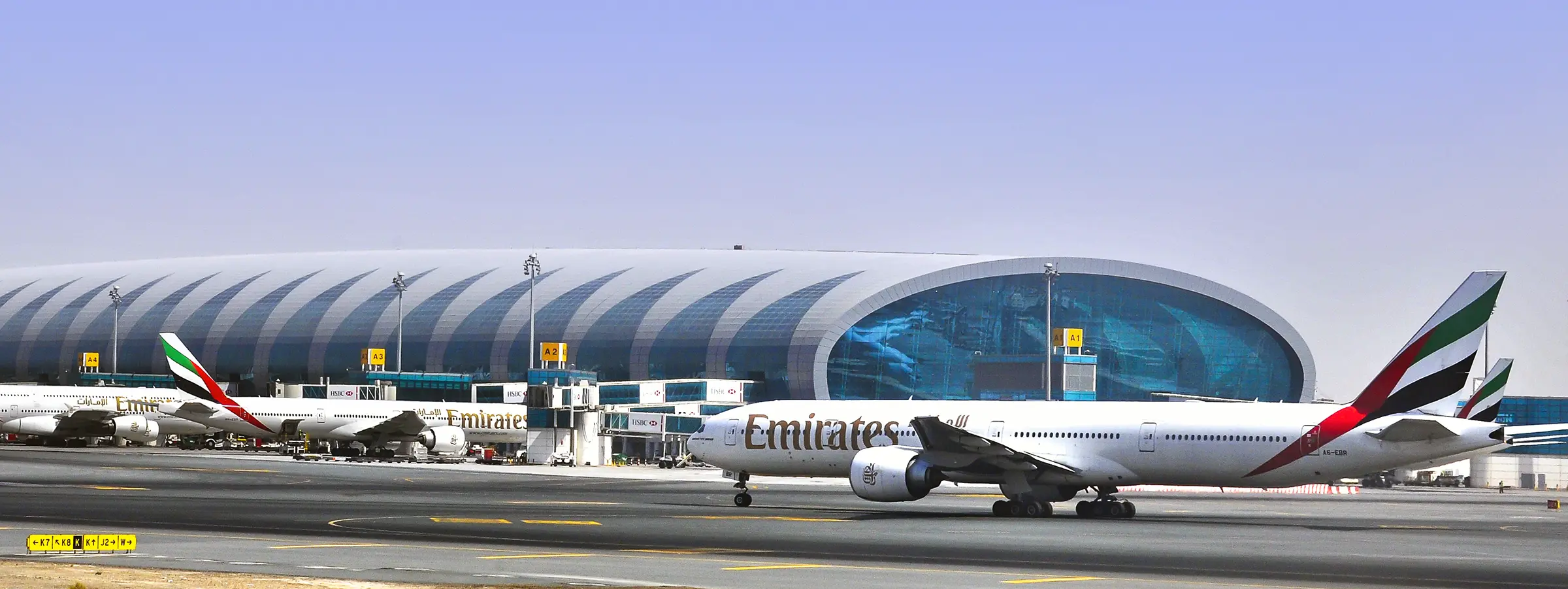
As passengers, on more than one occasion, we have heard this phrase from the cockpit, so that in one way or another this indicates that take-off is imminent. However, technically, what comes with being authorised to take off?.
The instructions between controllers and pilots are clear and must be acknowledged by pilots at all times.
Within the aviation world and specifically the phraseology used between pilots and air traffic controllers, a “take-off clearance” represents one of the most important and most demanding authorisations behind the scenes for ATC controllers and pilots.
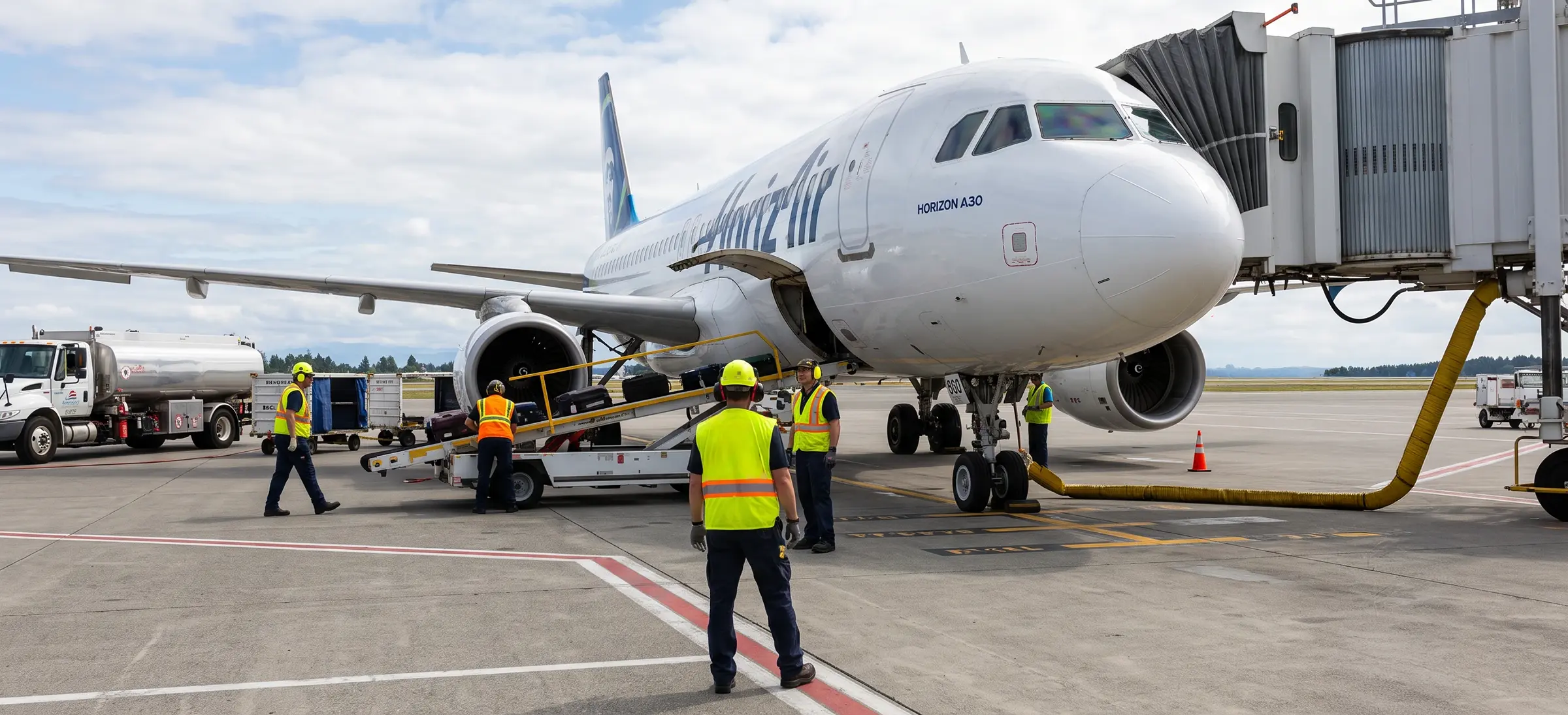
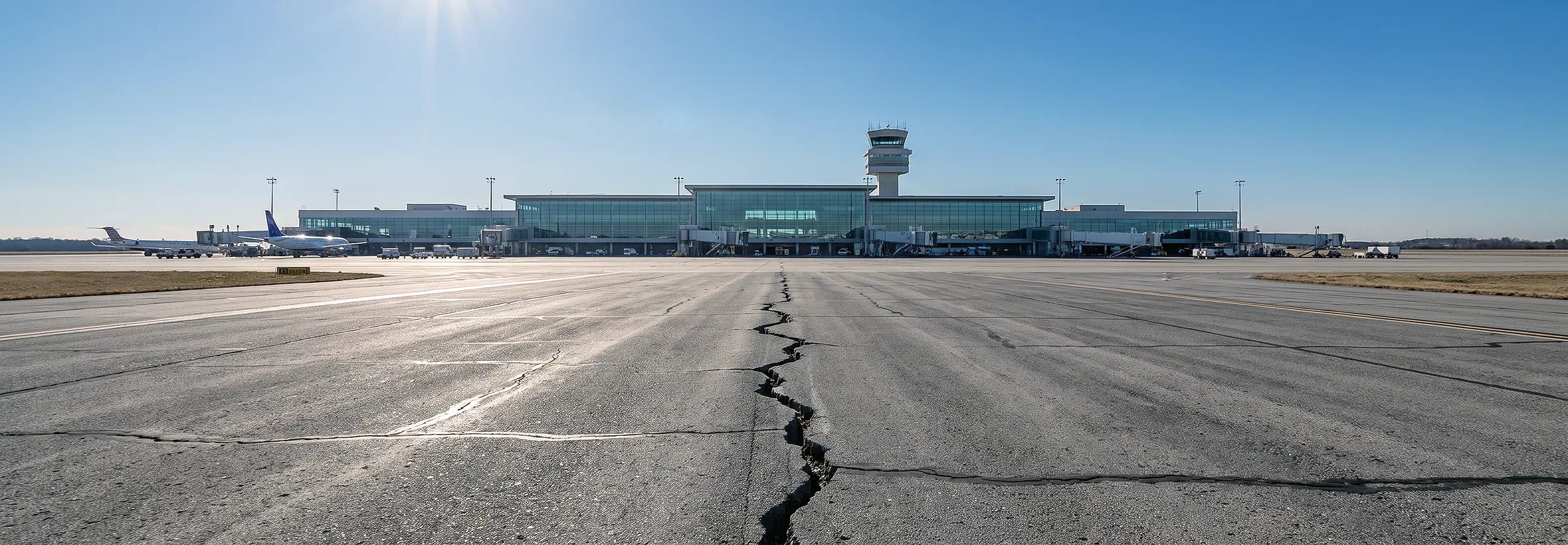
The entry of an aircraft authorised to a runway threshold is not a surprise for a Airfield controller (ATC TWR), from the chocks away, start-up and taxiing has been monitored and controlled by the tower controllers, all to ensure that the aircraft enters the correct runway at the precise moment.
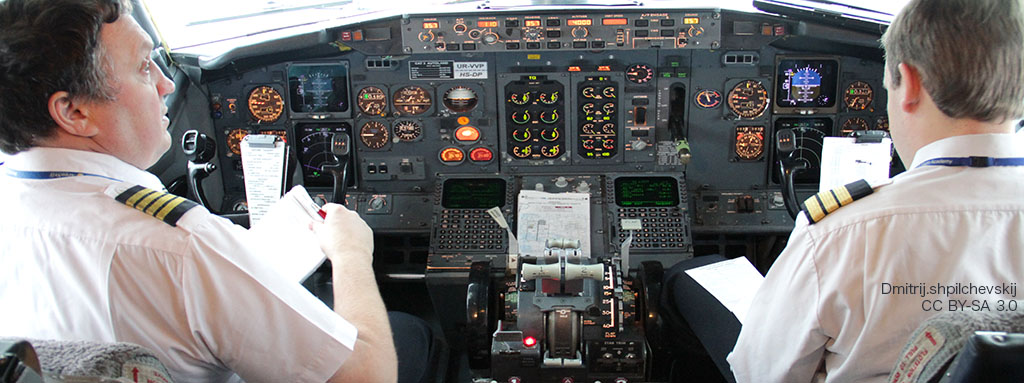
On the other hand, during this stage of the operation, the technical crew (pilots) it has one of the largest workloads, as moving an aircraft on the ground is not easy, since it is not designed for such a task.
Before entering the runway, most operator (airline) procedures, which are what a pilot flies by, indicate the need to complete the final check “Pre-Flight Checklist, This is where it is checked that the aircraft is configured for take-off and the crew are ready. At this point, the following is normally checked:
- Engine configuration, fuel flow, status from the transponder, lighting configuration, A/C system, radar, etc. And most importantly, a go-ahead from both pilots to start the flight.
While this is happening, the airfield controllers at the tactical and planning levels have calculated the sequence of take-offs or departures, coordinating with the arrivals, as the case may be. The responsibility of a controller is to establish the minimum separations between aircraft., and when these are close to the ground, this is when these separations are reduced even further.
To carry out this task, they make use of tactical separation tools “ATC Tools” based on the estimation of distances and the aircraft's position vector. For departure management, tools such as DMAN “Departure Manager”This is a planning system for improving airport departure flows by calculating target take-off time (TTOT) and target start-up approval time (TSAT) for each flight, considering multiple constraints and preferences.
From the passenger's perspective, this workload is perceptible, and much of this is thanks to the work of the aviation personnel, as the objective rule of any air operation is followed: “Safety, comfort, and efficiency”.
Once cleared to enter the runway, and with a “Before Take-Off Checklist” completed, the pilot responsible for communications, known as “Pilot not flying” “PNF” requests the following (example) from the assigned runway exit controller:
- AERTEC001: Malaga Tower, good morning, AERTEC001 holding point 13, ready for departure.
- ATC Controller: AERTEC001, Good morning, roger, hold short of runway, traffic on final.
- AERTEC 001: Received, maintaining external position, AERTEC001.
As varied situations can occur at any stage of the flight. In this case, the pilot is informed that they cannot enter the runway, as there is other traffic on final approach. But once this has passed:
- ATC Controller: AERTEC001, wind 180 at 5 knots, runway 13, cleared for take-off.
- AERTEC001: Cleared for take-off, AERTEC001.
- ATC Controller, contact Málaga Departures on 121.1, have a good flight.
The instructions between controllers and pilots are clear, and these must at all times be cross-referenced by the pilots.
This process ends when the controller observes or has assurances that the aircraft has left the ground and is in a safe climb, handing over the tracking of the aircraft to the next ATC control centre.
Have a good flight!