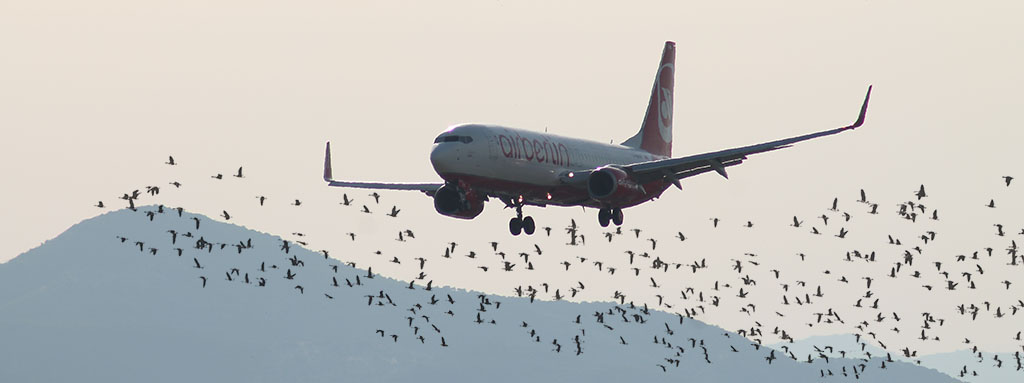
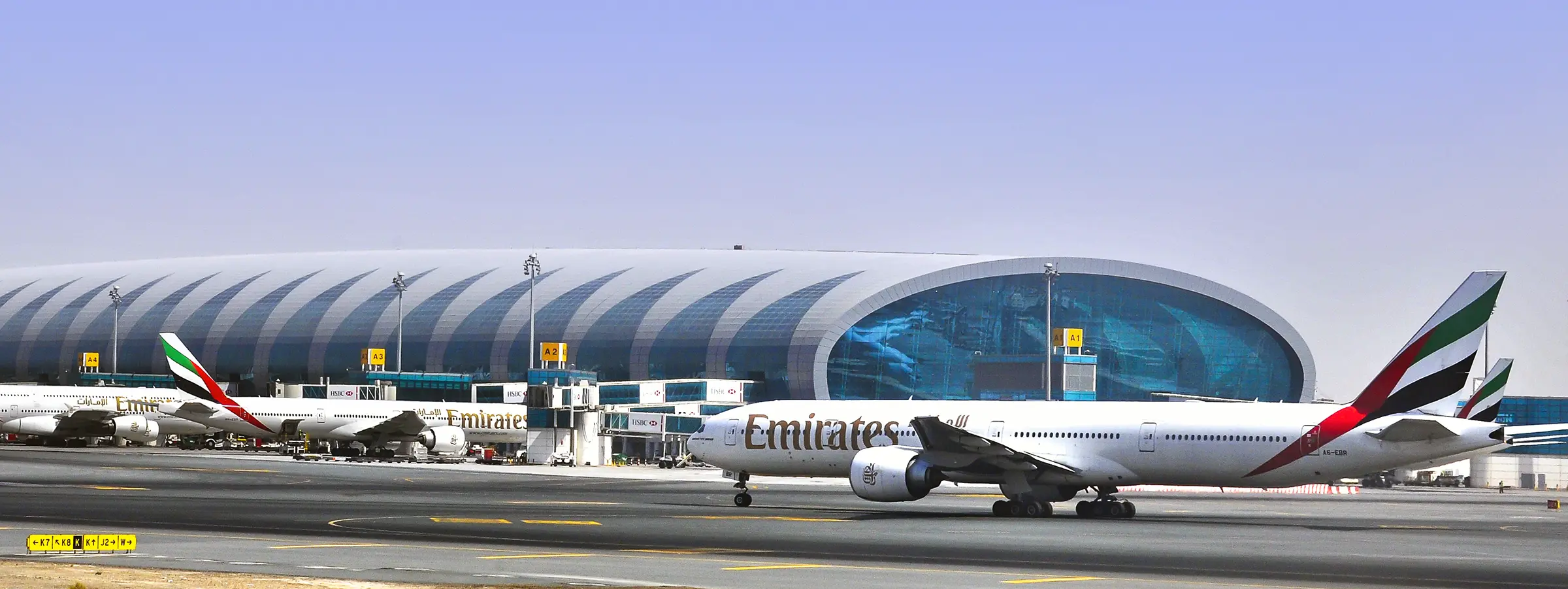
The animal kingdom, and birds in particular, have served as a model for the design of the aircraft with which humans take to the skies. But there is another related field that is attracting increasing interest today: that of the aircraft impacts with wildlife, or as they are called in English, wildlife-strikes.
The study of the factors influencing the incidence of wildlife in air traffic is booming and the effectiveness of mitigation is growing, with ample room for improvement.
It should not be forgotten that, although it is commonly referred to as a bird-strike, Incidents may involve other species, including terrestrial mammals, such as dogs or rabbits, and even insects, all of which are included in wildlife impacts.
Although it is a problem that can affect other areas, as there have been cases of impacts with trains, cars and even theme park attractions, the most recognised field of analysis is aeronautics. Within this field, the airport stands out, although its study is also applied to, for example, the design of safer air routes avoiding the migratory routes of birds.
The focus on airports can be explained by one fact: 90% of the incidents occur in the airfield environment., according to ICAO. The possibility of impacts during cruise, although much smaller, also exists, as demonstrated by several records. Among these, the collision of a spotted vulture with a B747 at an altitude of 11,300 metres over Côte d'Ivoire stands out as the highest recorded altitude.
Looking back, the earliest known record was made by Orville Wright in 1905. But it was not until 1960 that aircraft began to be required to meet minimum bird strike resistance requirements. That was the year of the accident of flight 375 of Eastern Air Lines, The plane's four engines were damaged when a flock of birds flew into it, killing 62 people.
With regard to the effect of an impact with an aircraft, the critical factors are the weight of the animal and the speed of the impact. The most frequently affected areas are the nose of the aircraft, the leading edges of the wings and the engines.
For your certification, In this test, an engine is tested to assess its ability to withstand the ingestion of a medium-weight bird, or a ballistic gel simile, without causing critical damage to the engine. Passing this test is not easy, taking into account the complexity of the engines, made up of a large number of moving parts in movement, although the requirement is greater for the vertical stabiliser, due to the criticality of this element in the direction of the aircraft.
As far as birdlife is concerned, although each species has its own peculiarities, two major migrations can be distinguished: prenuptial and postnuptial, which result in an increase in incidents. The latter entails a higher risk, as the journey is undertaken by the parents with their young, which increases the number of birds on the move to begin with. This factor is compounded by the fact that new birds are more likely to deviate from the usual route due to their inexperience.
The search for an average value or a measure of the evolution in the number of incidents is difficult because the level of assessment has changed over the years. The awareness in reporting incidents The number of wildlife-related incidents has increased over the years, as has the ease of reporting with the advance of telecommunications. This has meant that the number of records has increased over the years, although this does not mean a real increase in the number of incidents occurring.
A reference could be the ICAO data, for the period from 2008 to 2015 recorded in 105 countries, with 97,751 reports, which leaves an annual average of 12,000 wildlife impacts.
And what is being done by airports to mitigate the risk? Roughly speaking, measures could be classified into two groups: lethal and non-lethal.
Of greater interest are the application of non-lethal measures, such as visual, auditory or chemical repellents. One example of interest is the provision of feeders in the vicinity of the airport that provide them with food with sterilisers. This will slow down the growth of populations as long as they live in the airport environment, and their effect will disappear if they move away from the airport.
This type of measure is intended to maximise the protect and respect the environment, This was agreed in 1918 with the publication of the Migratory Bird Treaty Act, one of the first environmental laws enacted in the world, and which celebrates its centenary in 2018.
It should not be forgotten that the behaviour of fauna is often affected by human action. A clear example is the carrying out of works or the celebration of certain leisure activities, which end up generating an added risk of impacts, by displacing animals from their natural habitat due to the presence of people or excessive noise, or directly due to the destruction of this habitat.
The study of the factors influencing the incidence of impacts with wildlife is on the rise, although there is ample room for improvement. In this way, starting with awareness and hand in hand with technological advances, the following should be achieved improved levels of security for human air traffic. But to move in this direction we must not forget the importance of respecting those who before us occupied the skies and who, from our first steps as a species, inspired us to fly.