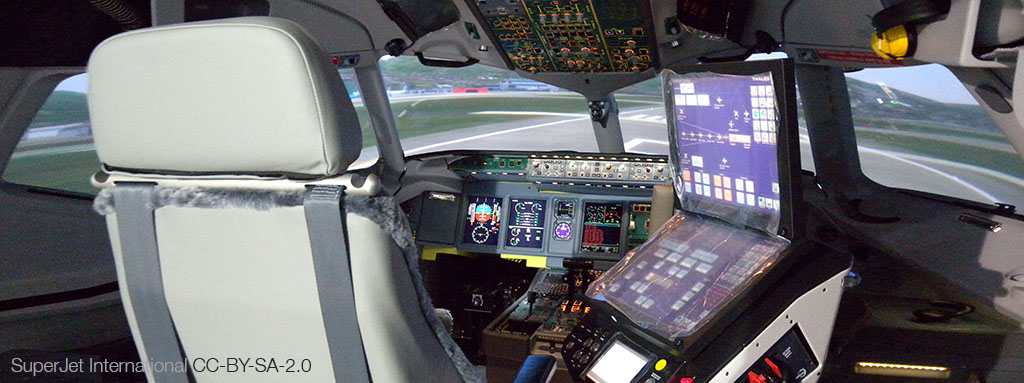
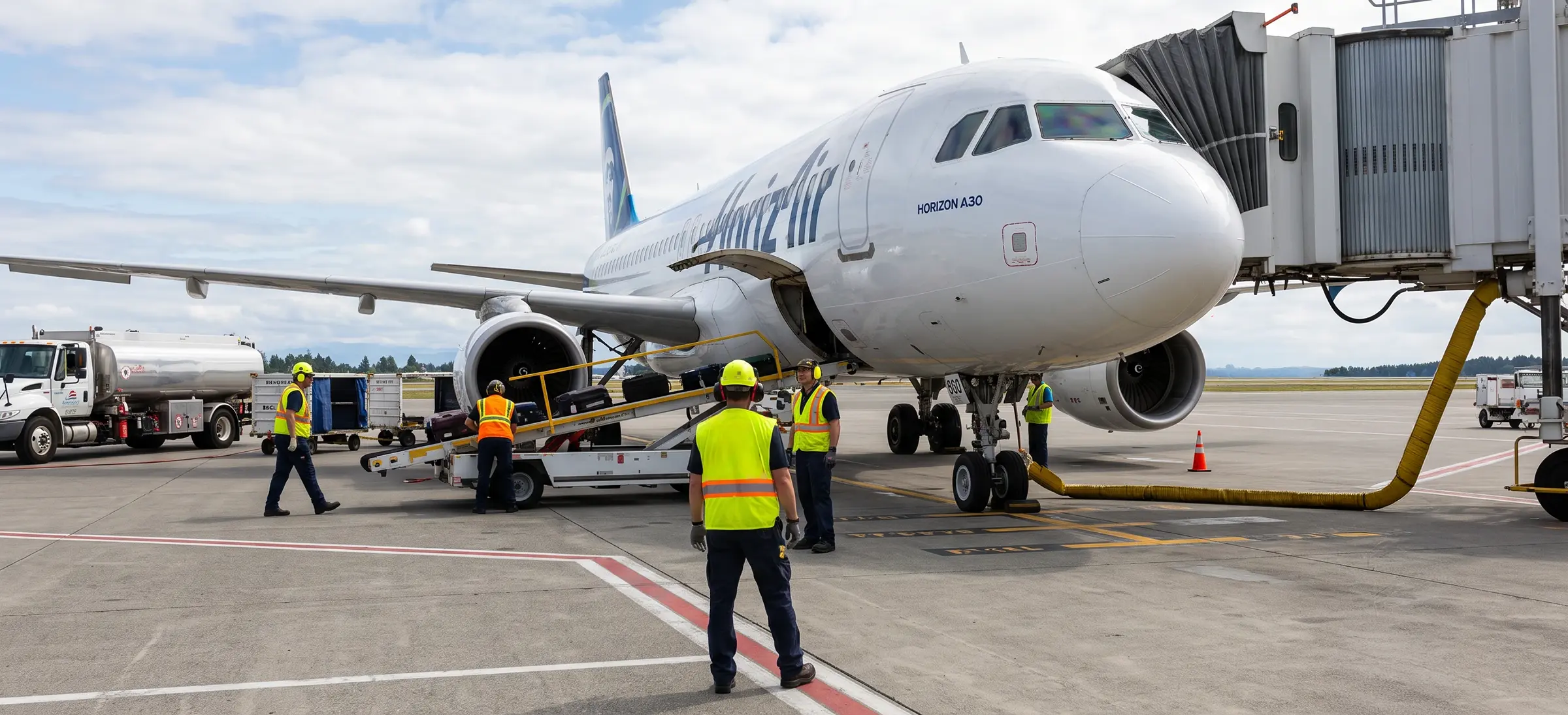
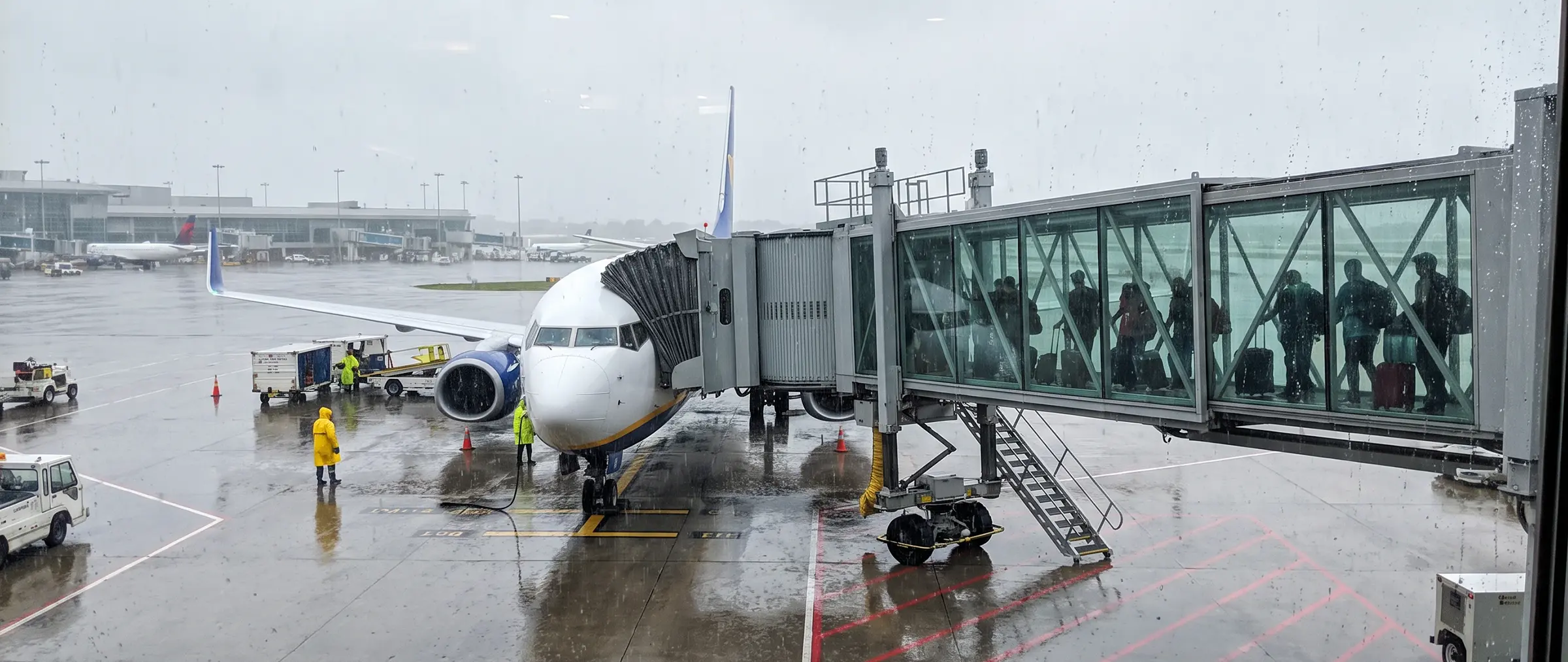
The Flight simulators or FSTD (Flight Simulator Training Devices) are devices intended for recreate a sensory experience similar to that of an aircraft in operation and are fundamentally used to train flight crews.
The ability to perform a flight simulation in a controlled environment allows simplify operational complexity of training at the same time as the cost of the same training is reduced if it were real. Through simulators, crew members, who must be prepared to manage any unforeseen event, can face situations that would be difficult to safely reproduce on a flying aircraft without putting their integrity at risk, training the crew in abnormal or emergency procedures, and being able to practise innumerable situations. Another important reason is that training on real aircraft would involve significant fuel consumption, which is undesirable for companies. For these reasons, among others, the use of simulators has become widespread in Emergency procedures and flight manoeuvre training.
The objective of FSTDs is to save time and cost in obtaining the best training for flight crews to handle adverse situations at critical moments.
Advances in technology and systems development have made it possible to create devices that are highly adapted to the reality of the simulated aircraft. This recreation has led to its use extending from the training required to pilot a specific aircraft to the instruction and examination of cabin crew capabilities, as well as annual refresher courses for both, as required by the companies where they carry out their professional work.
To ensure flight crew simulators are adequate for training and qualification, they must be verified by the competent authority, which will grant FSTD qualification certification for its validity according to its category in levels A, B, C and D, with level D being the most advanced and guaranteeing the maximum fidelity in the reproduction of the aircraft's behaviour. To obtain certification, it must be demonstrated that the characteristics match those of the aircraft for which the replica has been built, and are detailed in the documentation provided by the relevant body (e.g. FAA or EASA) which includes the technical characteristics of the simulator and the method for checking its various functionalities.
There are different types of simulators, with varying degrees of approximation to reality. A cockpit simulator must reproduce the cockpit itself to the real scale of the simulated aircraft and can be installed on a platform, either static on a fixed elevated structure or in motion on hydraulic or electromechanical actuators with movements of up to 6 degrees of freedom controlled by computer systems.
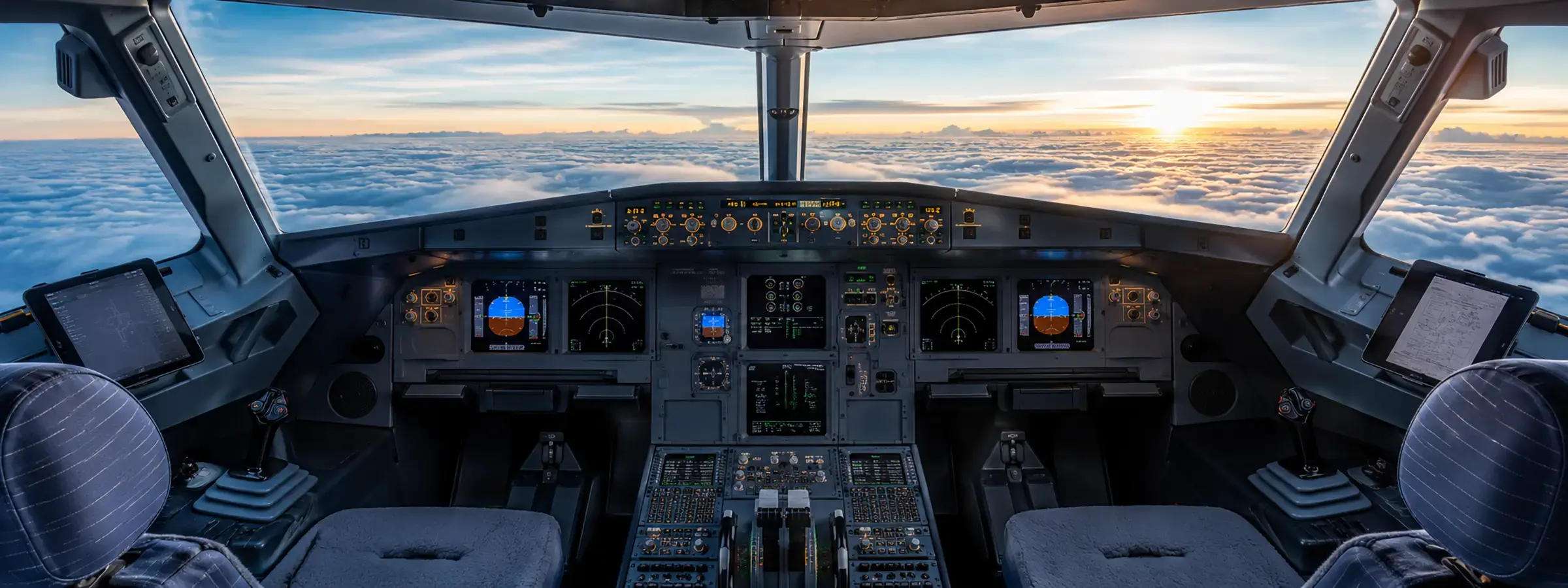
In the case of flight simulators for pilot training, they are usually mounted on a platform with all-directional movement capability, producing a A real flying sensation. It is equipped with display screens that recreate the flight environment, and through system control programmes, a multitude of special conditions or situations are generated, reproducing the appearance, sensations, and operation of the aircraft's systems as faithfully as possible to reality.
In the case of TCP training, the device must be equipped with systems that simulate, for example, fire and smoke situations, communication system failure, and that allow for training in emergency evacuation procedures, during which they must evacuate an aircraft in 90 seconds. This practice must be carried out at least once a year (refresher or recurrent course), even if they review it daily before boarding the aircraft during the briefing or the silent review.
Among the various types of simulator devices for flight procedure training, we can cite some examples:
PTTPart-Task Trainers, used to emulate specific aircraft systems.
CPTCockpit Procedures Trainer, which are used to practice basic cockpit procedures, checks, etc.
CEET: Cabin Emergency Evacuation Trainer, are emergency and evacuation simulation cabins, specific for emergency and evacuation procedure training as its name suggests.
FNPTFlight and Navigation Procedures Trainer, these are flight and navigation procedure simulation devices, they are also called FBS (Fixed Base Simulator). Requires simulation of certain system malfunctions, being detailed models without reaching the characteristics of the FFS.
For feck's sakeFull Motion Flight Simulator, must simulate all the most relevant aircraft systems, use an OTW (outside world) visual system and a motion platform.
In conclusion, although a simulator is a small engineering marvel that can cost a considerable sum, its aim is to save time and cost in obtaining the best training for flight crews to handle adverse situations at critical moments, and as is often said, if safety seems expensive... try an accident.