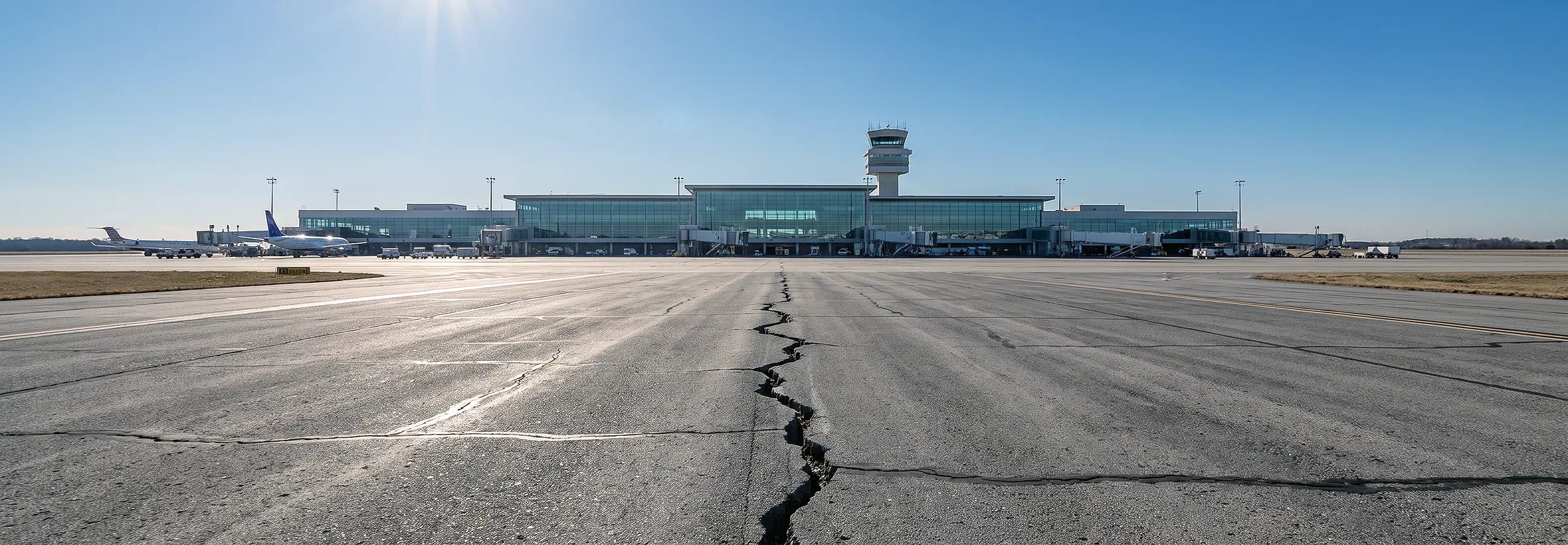
Almost all airports in the northern hemisphere have winter plans in place to deal with adverse weather conditions and prevent any incidents that could affect safety or operations.
One of the conditioning factors that we tend to bear in mind the most at the moment of travel is the weather. And it is not only a question of anticipating how our stay in our chosen destination will be, but also of assessing the difficulties we may encounter until we get there. When winter arrives, the risks associated with travel increase due to the greater frequency and incidence of adverse weather. Among the most notable phenomena inherent to this season are the snow, ice and fog.
One of the objectives of the transport infrastructure managers is to keep the possible incidence of any of these meteors as low as possible. To this end, the following are designed action plans which are regularly updated and which provide for the actions and resources to be used in each case.
In air transport, airports are a key point due to their huge exposed area and the number of operations concentrated there. In this infographics we have collected some basic approaches that airports usually take into account when dealing with their strategy for dealing with adverse winter phenomena.
From now on, when you travel in winter, even in the most difficult conditions, know that someone is already working to make your air travel as safe and smooth as possible.