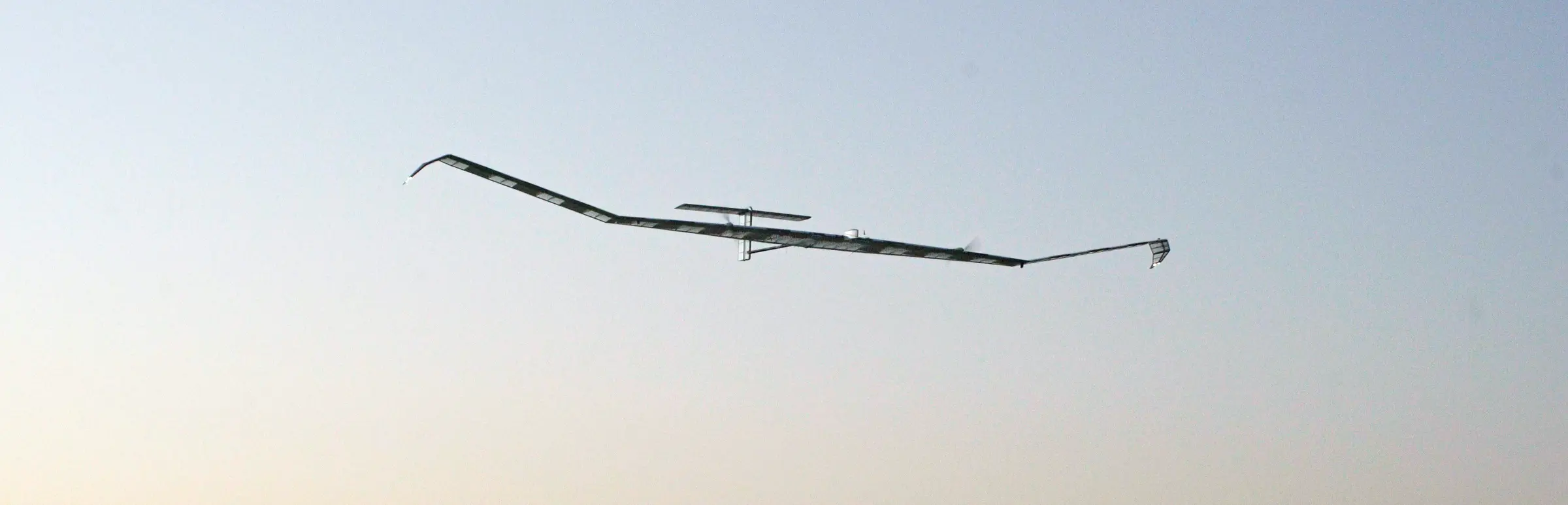
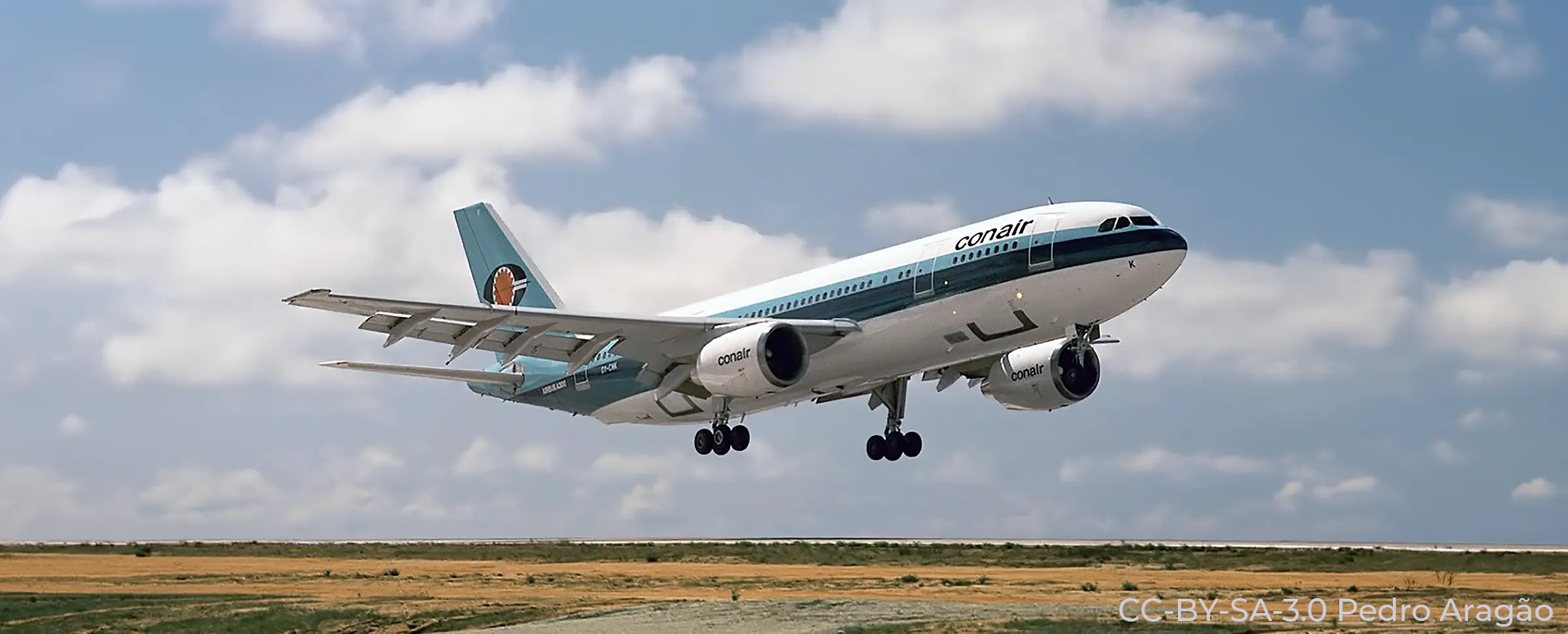
A new fashion is spreading across Europe – flygskam. This Swedish word can be translated as “embarrassment of flying”. The idea started in 2017 when singer Staffan Lindberg decided to stop flying and encouraged people to follow his example. He wanted reduce CO emissions2 and he had found in air transport the perfect scapegoat.
The idea gained momentum when Swedish environmentalist Greta Thunberg refused to fly to attend two climate conferences, one in New York and the second back in Spain. In the end, she made two three-week transatlantic trips each in a carbon-neutral sailing boat.
If we want to neutralize emissions from air transport, we should better focus our efforts on decarbonizing the industry, not on eliminating it.
Their argument: the carbon footprint of the plane is too large.
Greta Thunberg – and those who support the flygskam movement – are wrong. The truth is that, Considering all the factors, flying is the most efficient mode of transportation.
In the Animal Kingdom, life has rarely managed to dominate flight, but when it has happened, it has proven to be a successful strategy. Insects were the first animals to fly more than 350 million years ago; since then, they have multiplied into more species than all the other animals combined. Among vertebrates, birds have the most species, and finally, bats account for 20% of the species of mammals, only behind rodents.
Flying has its rewards. It is a very efficient way to travel.
The flaw in Flygskam’s argument lies in measuring the “goodness” of a mode of transport solely by its energy efficiency. Its reasoning is not fair, or at least it can lead to deception. It would be like measuring a nation’s well-being solely by its GDP, and not taking into account other factors such as life expectancy, income distribution, healthcare, security, education, corruption, and others. Similarly, transportation is more than just energy efficiency, Other issues such as the environmental costs of infrastructure or even whether it is simply feasible also play an important role.
Railways – like roads – have a tremendous impact on the environment, leaving a permanent scar of thousands of kilometers. Forests, valleys, wetlands and aquifers are damaged. Acoustic, water and air pollution increases. Moreover, railways constitute a formidable barrier for people and especially for wildlife. They bring with them habitat fragmentation and prevent species from migrating, causing genetic impoverishment or simply increasing mortality as animals are unable to cross to find better hunting grounds or pasture.1.
Furthermore, a rail line only allows you to buy a one-way ticket, Paris-Brussels and Brussels-Paris, that’s it. Even cars or trucks can leave the paved roads and venture onto dirt roads to remote destinations if necessary. Planes go even further; they have no limits. These can take you anywhere in the world over snowy mountains, deep valleys, dangerous rivers, Arctic tundras, scorching deserts, and dark oceans for the “environmental” cost of just a 3,000-meter runway.
An unbeatable offer.
If the friends of flygskam had to choose a mode of transport based solely on energy efficiency, they would always choose the bicycle, and they don’t. Even Greta Thunberg chose to travel by train, despite her positive carbon footprint, for her return journey from Madrid to Stockholm.
I don't mean to disparage her. I truly admire her efforts to raise awareness about climate change. The movement is showing progress, and Greta has probably done more for the cause than billionaires like Bill Gates. She preaches with her example, and the inconsistency of her private jet flights to attend climate conferences takes away all moral authority from her on the matter.
To conclude, I do not want to be misunderstood; traveling by electric train can play a very important role in decarbonization. However, environmentalists, whether or not they are enthusiastic about flygskam, should not overestimate its potential in reducing CO emissions.2. Short-distance routes, less than six to eight hundred kilometers, are the only ones viable for the competition of the train, and these they represent less than 7% of the total emissions from air transport. Moreover, changing modes of transport is not always feasible due to High cost of new infrastructure for routes with a low frequency market or simply due to geographical barriers such as the sea.
Flying has always been, is and will be the most efficient mode of transportation. Canceling flights is an impossible task, like trying to stop the tide rising. If we want to neutralize the emissions from air transport, we should better focus our efforts on decarbonizing the industry, not on shutting it down.

(1) It is interesting to mention that the “flying” animals are the only ones that are not blocked by terrestrial infrastructure.