The reliability of modern engines, combined with rigorous certification and operational procedures, has made long-range flights on twin-engine aircraft one of the safest and most efficient forms of air travel.
For many years, transoceanic routes and flights over remote regions were reserved for three- or four-engine aircraft. The limited reliability of early-generation jet engines made it necessary to remain within close proximity to alternate airports. Technological advances in recent decades have completely transformed this reality. Today, the vast majority of long-haul flights are operated by twin-engine aircraft, thanks to extremely stringent certification and operational standards.
ETOPS stands for Extended-range Twin-engine Operational Performance Standards. Traditionally, this term has been used to describe long-range operations conducted by twin-engine aircraft far from a suitable airport. Currently, the International Civil Aviation Organization (ICAO) uses the term EDTO (Extended Diversion Time Operations), which expands the concept to include operations with extended diversion times for multi-engine aircraft. Although EDTO is the official designation, ETOPS remains the term most commonly used by manufacturers, airlines, and the specialized media.
An ETOPS 180, 240, or 330 authorization does not limit the duration of the flight. These values represent the maximum time it may take an aircraft to reach a suitable airport in the event that an operational situation requires a deviation from the planned route, typically considering the flight scenario with a single operating engine. The flight plan ensures that throughout the entire route there is always an alternative within the authorized time limit.
The initial approvals allowed for deviations of 90 minutes. These were subsequently extended to 120, 180, and 240 minutes thanks to improvements in the reliability of engines and onboard systems. Currently, there are authorizations for 270, 330, and even 370 minutes for certain combinations of aircraft, engine, and operator that demonstrate compliance with all technical and operational requirements established by aviation authorities.
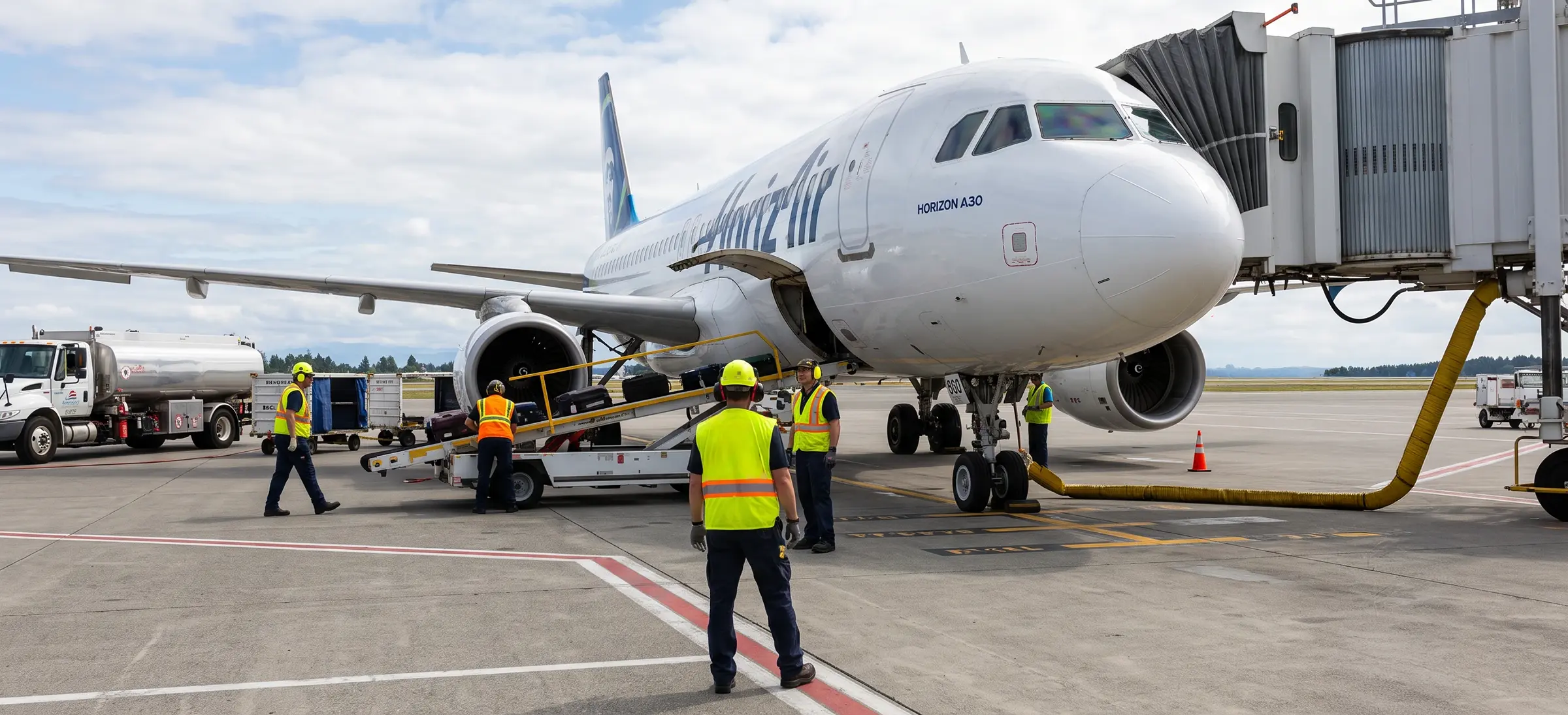
The ability to operate under ETOPS or EDTO does not depend solely on the aircraft’s design . Other factors also come into play, such as the certification of the aircraft-engine combination, the air operator’s operational approval, specific maintenance programs, flight dispatch procedures, and crew training. For this reason, two airlines operating the same aircraft model may have different ETOPS authorizations.
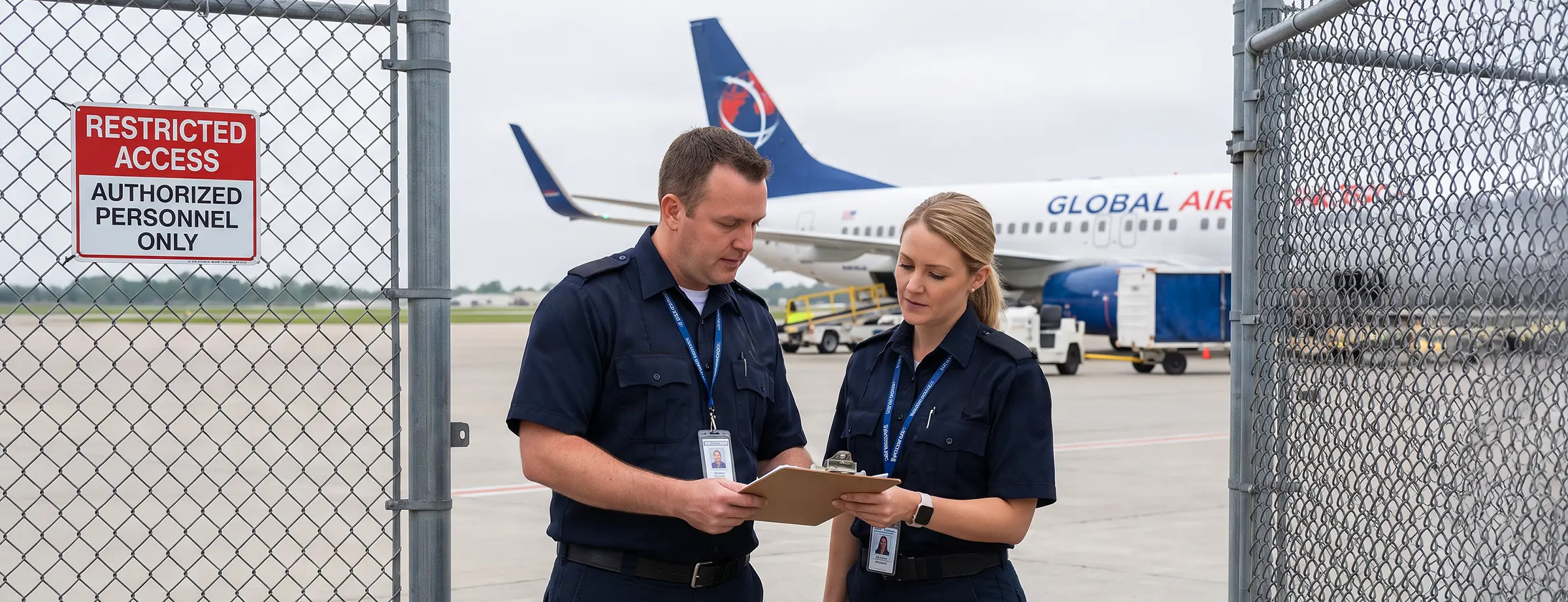
Security is based on multiple layers.
ETOPS/EDTO operations are based on a comprehensive safety approach that combines the high reliability of modern engines, redundancy in critical systems, specific maintenance procedures, continuous fleet monitoring, crew training, and detailed planning for each flight. This set of measures makes it possible to achieve safety levels equivalent to those of any other commercial operation.
The development of ETOPS and its evolution into EDTO has profoundly changed air travel. Thanks to these authorizations, aircraft such as the Airbus A330, A350, A220, and the Boeing 777 and 787 can operate virtually any long-haul commercial route using only two engines. This reduces fuel consumption, lowers emissions, optimizes operating costs, and offers greater flexibility in route planning.
ETOPS and EDTO operations represent one of the greatest advances in modern commercial aviation. Their success is due not only to technological advances in engines, but also to a system of certification, maintenance, and oversight that ensures the highest safety standards. Thanks to this regulatory and operational framework, long-range flights with twin-engine aircraft are now a common, efficient, and exceptionally safe practice.
In this infographic, we summarise the main concepts related to ETOPS flights.