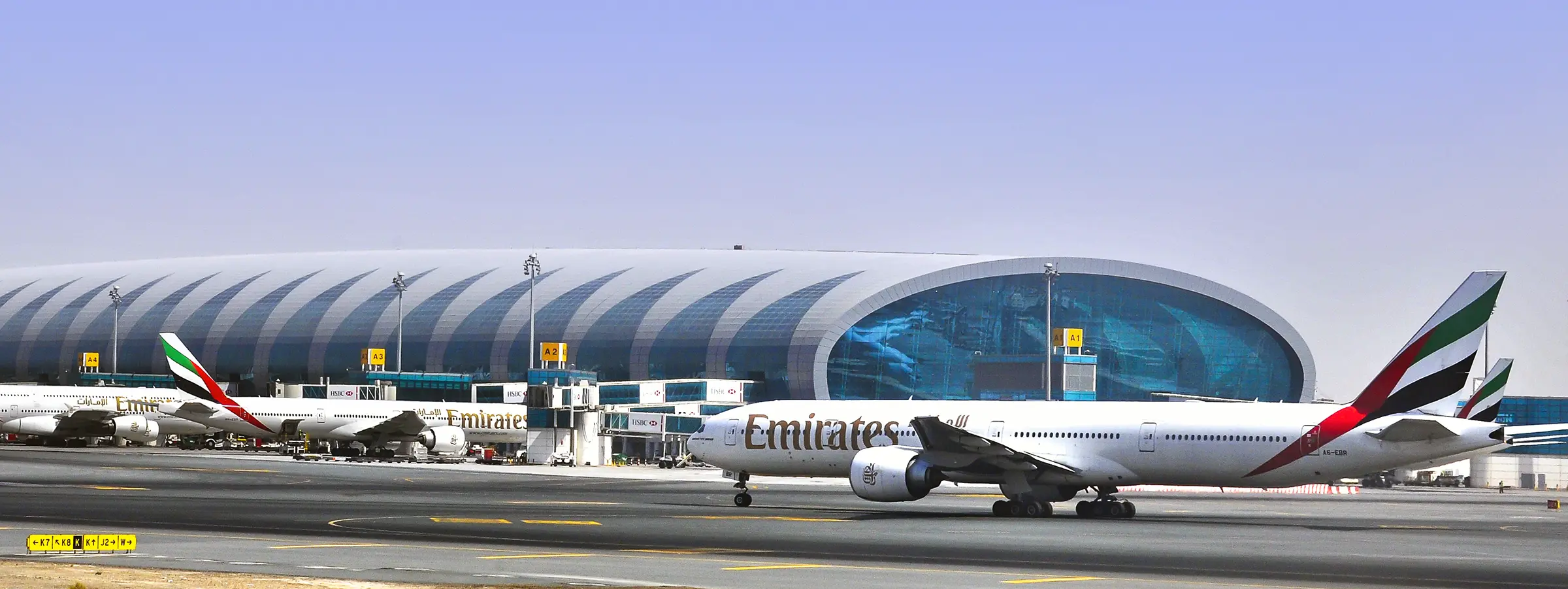
Everyone knows that energy is a scarce commodity, but it is even scarcer on aircraft, as most energy is produced by fuel engines, at least until projects like Solar Impulse make renewable energy a reality in this context. Until that time, and we're probably talking decades, fuel will continue to be used in aircraft and must be consumed efficiently.
Why not take advantage of heat loss for more fuel-efficient consumption?
The well-known Philosophy for more electric aircraft (MEA, for its acronym in English) attempts to utilise all of the electrical equipment system architectures to achieve more efficient fuel consumption. To drive these new and immense electricity consumers, high-power electric converters and modules are required. These modules are much more efficient than hydraulic or pneumatic ones, but still suffer from thermal losses which manifest as heat that must be evacuated.
Why not, then, take advantage of Are we losing out? Currently, most devices are cooled by cold air, but a closed-loop liquid cooler would further increase aircraft efficiency. Inside the aircraft, heat is needed (not only to create a pleasant environment in the seating area within the fuselage) and cannot always be obtained from the losses from the fuel engines.
This idea isn't mine. There are several R&D projects underway regarding this possibility, and the first step has already been taken to create the means for on-the-ground validation of these new aeronautical architectures once the equipment has been developed.
This is not at all about commercial equipment or simple mechanisms. They must be flexible to be able to function as different real aeronautical elements, allowing for the complete system performance of an aircraft, even if not all devices are yet available or have been designed, but in which some of these devices require testing. Furthermore, software is also needed to monitor the real-time performance of all these devices.
To simulate the performance of thermal systems, three main functionalities have been identified and developed:
A heat load function produces the desired power losses in accordance with the flight profiles. They are used to validate the cooling system.
A Eléctrica función de carga that consumes the desired current at any voltage level in the aircraft. The dynamics of this consumption must match what is required for testing. For example, the system modules that produce the heat to be recovered can be connected to the electronic power converter or, even directly to electrical generators, if overall functionality is to be tested.
A Function that measures consumption during distinct work profiles to check the real efficiency. Obviously, a power distribution centre is needed: with voltage levels in the aircraft of HVDC, CA/400 Hz and 28 Vdc. However, in addition to power sources, a real measurement system for non-standard current waveforms consumed by electrical power is necessary.
And one more fundamental point: how sustainable these tests can be. They must be repeated many times, and the power consumed during the tests must be kept to the minimum necessary to achieve energy saving objectives. In the case of this proposal, the energy that flows through electrical loads, actual power electronic converters, and even power sources, can be saved by using modules. Regeneration to produce electricity synchronised with the industrial AC grid.
TEMGIR It is an R&D projectThermal and Electrical Mock-ups for Thermal Management of a Ground Integration Test Rig. / The research that has led to the development of these test means has received funding from the European Union's Seventh Framework Programme (FP7/2007-2013) for the Clean Sky Joint Technology Initiative, under grant agreement n° [641463].