Airport infrastructures generate a Very positive impact on the economy from their regions. In addition to being a point of entry for tourists, entrepreneurs, and investors, airports create many jobs for the community. The jobs generated can be grouped into six categories:
Airports not only create direct jobs, they also generate many indirect and induced jobs, as well as jobs related to the ease of access to transportation provided by the airport.
Airport operations
This category includes all activities that ensure the operations of the airport: approach, landing and takeoff of aircraft. These activities are mainly performed by airport personnel. They also include services such as air traffic control, passport control, customs control, etc. The latter services are usually provided by officials working for government agencies.
Air transport
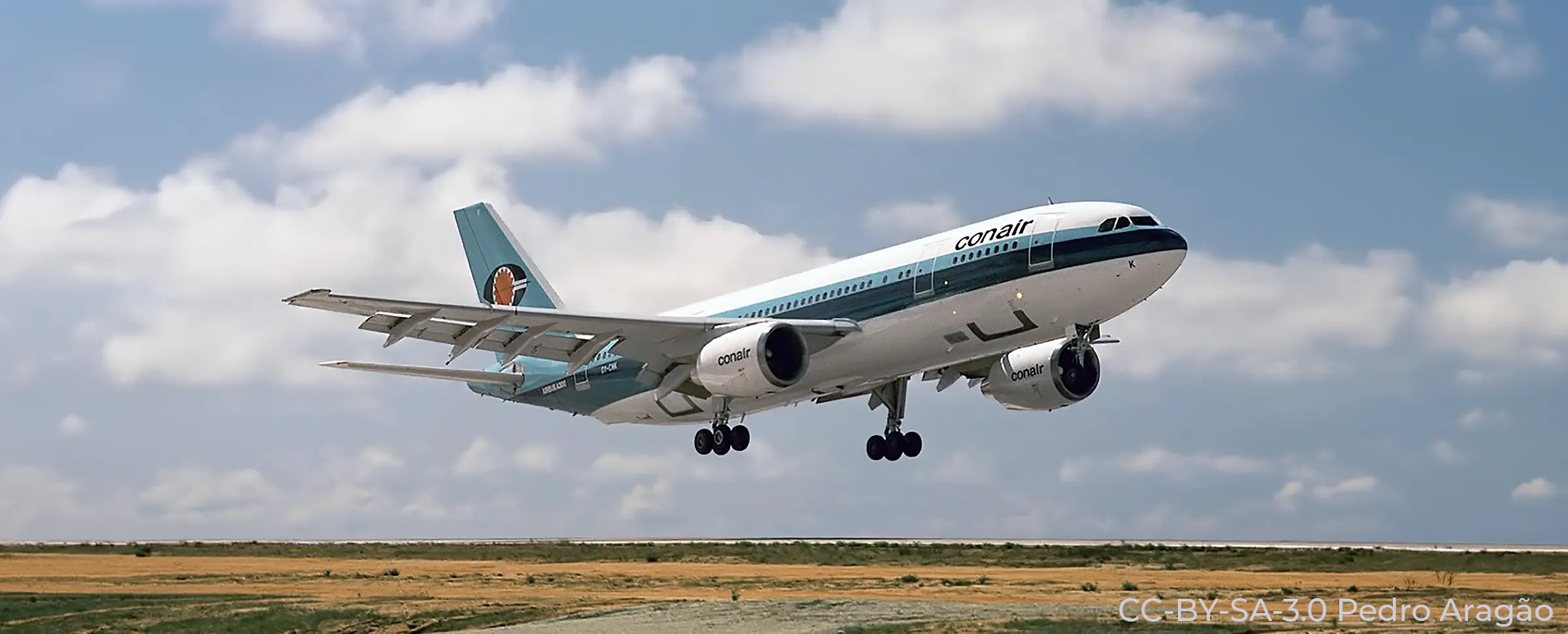
The main purpose of any airport is the transportation of passengers. This activity is carried out by airlines, which are usually private companies. It also includes ground operations, such as boarding and disembarking passengers, handling luggage, refueling, and other services., catering, Cleaning...
This group also includes the transportation of goods. In addition to cargo aircraft, a fundamental part of this business includes jobs for land-based activities such as logistics, warehousing, customs, cargo handling, etc.
Commercial services
Airports have become spectacular shopping centers. Passengers have access to the highest-quality stores as well as to catering services. This category includes car rental. These are usually services provided by external concessionaires, who pay a fee to the airport operator. Commercial revenues have become a very important economic source for airports; in some cases, they account for up to 50% of total revenue. This category generates a lot of employment.
Industrial activities
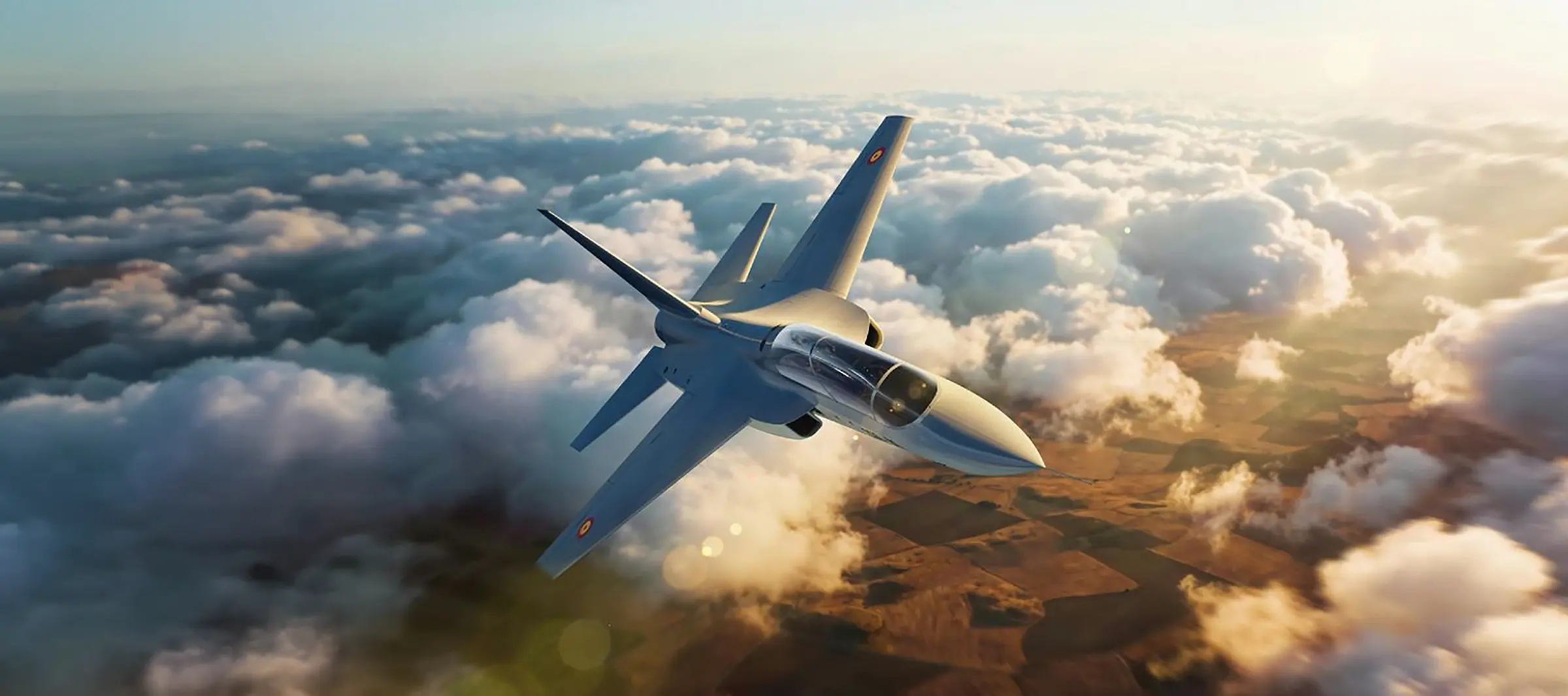
Many and diverse industrial activities also take place at or around airports. For example, aircraft maintenance centers or flight schools are often located near the airport in the operations area. The final assembly lines for commercial aircraft, business jets, military aircraft, and others are usually located next to a runway or take-off area. Likewise, many airports have industrial facilities in their vicinity, although they are not always related to the aerospace industry.
Large-scale improvement programs
Airports often undertake improvements to existing facilities. Among the work we can find include runway rehabilitation, terminal improvements, or system upgrades. These projects employ people in fields such as consulting, architecture, engineering, installation, and construction. As a general rule, an airport can reinvest between 3 and 5% of its annual revenue in large-scale improvement programs.
Tourism
In this category we include the income derived from passengers coming from outside, that is, visitors. These people arrive through airlines and spend money on hotels, restaurants, transportation, shops, entertainment, and, in some cases, health and beauty treatments. The spending of this group generates jobs mainly in the hospitality sector of the region.
As we have seen, airports not only create direct jobs: they also generate many indirect and induced jobs, as well as jobs related to the ease of access to transport provided by the airport. The multiplier effect goes beyond the physical limits of the airport. According to various studies, it is estimated that airports can generate between 2000 and 4000 jobs for every million passengers. It is no wonder that local politicians want to ensure that the airport and everything related to it is managed effectively.