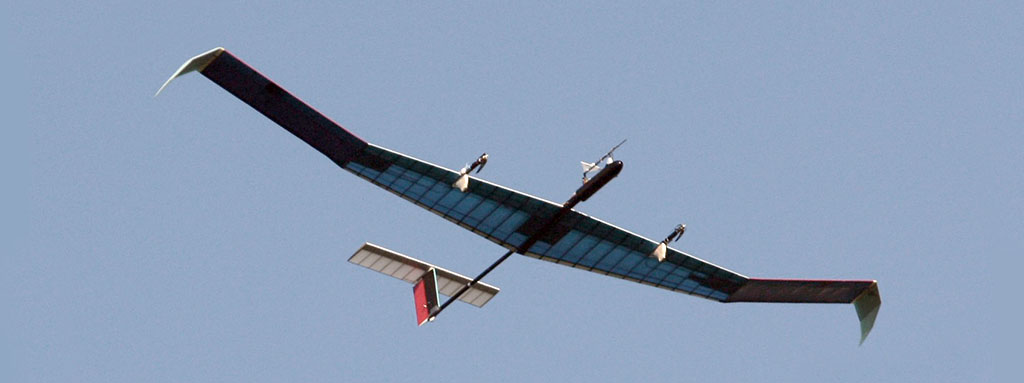
It looks like an aeroplane, but its role is that of a satellite. It is not quite one or the other, but it seems to combine the advantages of both.
The HAPS or high-altitude pseudo-satellites (for its acronym in English, High Altitude Pseudo Satellite) are unmanned aerial systems that perform their missions at 65,000 feet (about 20,000 metres). They also have a quality of great interest: their ability to fly uninterruptedly for several weeks, even permanently under optimal conditions.
HAPS has put a dilemma on the table for some governments and companies. It is not an aircraft, nor is it a satellite, but it behaves like both.
This type of aircraft is suitable for the so-called local persistence" missionsThey focus on a specific area of interest (which can be hundreds of kilometres wide) and provide uninterrupted services. Depending on the systems they carry, they can act as spies, communications centres, environmental watchdogs or perform dozens of other different tasks. The only limitation they have is the aircraft's payload, which is what determines the weight of the equipment that can be carried.
One of the best-known and most advanced HAPS is being developed by Airbus Defence & Space and goes by the name of the Zephyr. The project was originally launched by the UK company QinetiQ (which was spun out of the UK Government's Defence Research Laboratory in 2001), but Airbus took over the programme in 2013.
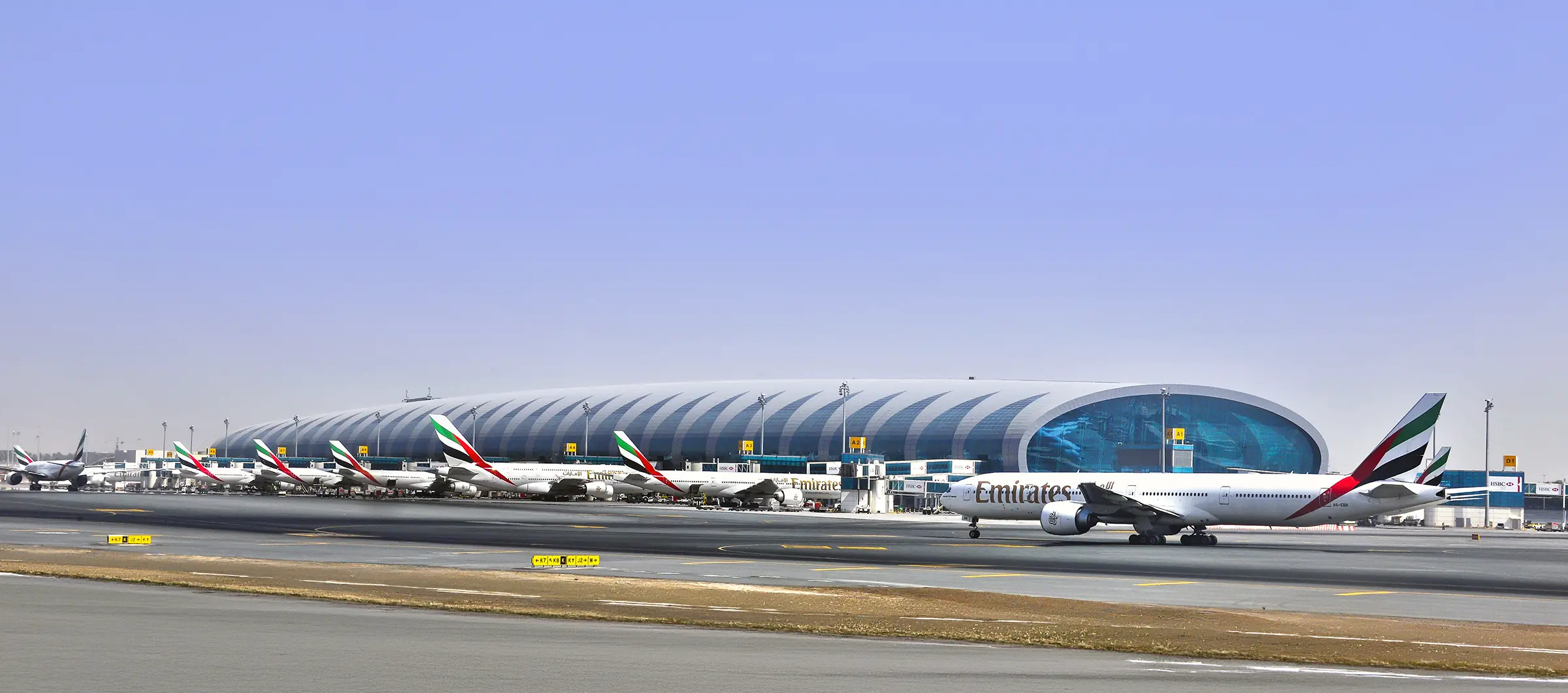
 As early as 2014, Airbus flew the Zephyr for the first time at an altitude of almost 19,000 metres over the Dubai desert for six complete night/day cycles. This flight was followed by many others in which the aircraft was subjected to different altitude, weather and sunshine conditions. This is important given that the The Zephyr's source of energy is precisely the Sun.. Its wings are covered with photovoltaic solar cells which allow the batteries to charge and the engines to run. Tests in winter conditions, with very short days, were equally successful, keeping the spacecraft in the air for up to 11 days at a time in unfavourable environments.
The attraction of an unmanned aerial system that is capable of almost uninterrupted flight at the outer edge of the atmosphere is obvious. On the one hand, it is undoubtedly seductive for security forces because of the eventual ability to have an observation post at that altitude to allow continuous surveillance. providing critical intelligence.
Similarly, from the civilian point of view, there are several fields that are particularly interesting: environmental monitoring, precision agriculture, security and telecommunications. Precisely, the possibility of offering Internet to remote areas is one of the main arguments for companies that are developing this type of aircraft.
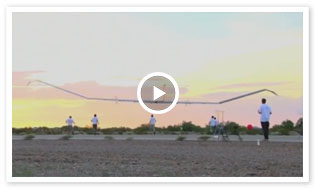 The UK was the first government to purchase these systems from Airbus. Having initially purchased a first example two years ago, two additional units have been confirmed with an estimated price tag of some 14 million euros, which represents a very significant saving compared to the use of satellites. for the same purpose.
HAPS have put a dilemma on the table for some governments and companies. Opting for an airborne system that allows activities to be carried out that have hitherto been entrusted to satellites, but at a much lower cost, is an obvious attraction.
However, the satellite manufacturing and launch sectors have not lagged behind either, and costs are not what they were a decade ago. Far from it. The entry into the market of private companies in direct competition with the major manufacturers has changed the rules of the market. There are now several hundred companies and research centres on the market building microsatellites using conventional components and whose functionality is tailored to the requirements of potential customers. The concept cubesat is a clear exponent of this trend.
Similarly, it is no longer only the major space agencies that are capable of launching satellites into orbit, but a good number of companies are setting up low-cost launch systems. And let us not forget the commitment of large companies (Blue Origin, Space X) to the design of launcher recovery systems.
In reality, what we have ahead of us is a very different scenario than a few years ago.. The possibilities are many and varied. And at very competitive prices.
It is in this context that the Zephyr programme comes to life. It is not an aircraft, nor is it a satellite, but it behaves like both. Its price is also lower than both. The aim is to operate with a budget of less than 900 euros per flight hour.
This is an option to consider and one that we will be hearing a lot about in the coming years.