For several years now we have been hearing the term biometrics being used with some profusion to define new techniques and procedures commonly related to security. But what is biometrics really? Well, it is something as exciting as automated identification, measurement, calculation and verification of unique biological indicators for the recognition of persons.
Such indicators are those that can unequivocally identify a person and must meet the following requirements:
More than a hundred airports around the world are currently implementing biometric recognition technologies for staff and passengers.
- Universalityall individuals have this indicator.
- Uniquenessprobability of two individuals having the same indicator is close to zero.
- PermanenceThe basic parameters of the indicator should not change over time.
- Quantificationthe indicator must be measurable.
Some examples of biometric indicators are: face, fingerprint, hand geometry, iris, retinal patterns... although, given the slight variability of some of them, the use of two or more indicators is advisable in certain applications, especially those related to the security.
In reality, biometrics has been present in our lives for many years. The use of fingerprints in identification documents is one example. However, the current development is based on the automation of identity verification tasks of the individual.
In the airport context, biometric techniques for the recognition of persons have also been gaining some prominence since the beginning of this century, although a significant acceleration has been perceived lately, mainly due to two factors: the increased security requirements and the significant progress in efficiency de los sistemas de reconocimiento. Para los aeropuertos que gestionan este crecimiento, la clave está en integrar estas tecnologías dentro de sus operaciones aeroportuarias, asegurando que los protocolos de seguridad no frenen el flujo de pasajeros.

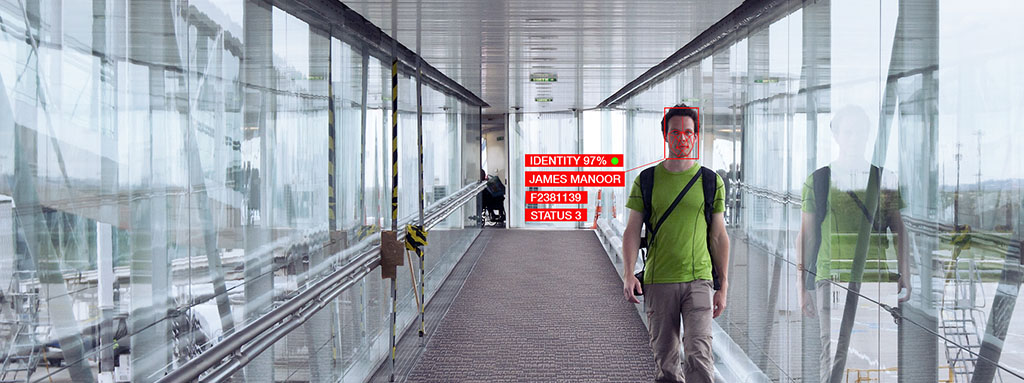
Recently, many airports have opted for the facial recognition. It consists of the automatic identification of persons by analysing their facial features extracted from digital images or video stills. Recognition relies on the comparison of these data with those available in huge amounts of data. databases. This process may seem cumbersome, but it takes only a few tenths of a second.
Apart from the benefits of this system in supporting facility security, some airports are seeing it as a very attractive way to streamlining passenger transit for its facilities and the consequent elimination of bottlenecks.
As a consequence of the global geopolitical situation and the new self-imposed security requirements of authorities around the world, the general increase in the number of passengers (close to the congestion at many airports around the world), there are also more thorough, detailed and time-consuming checks. Speeding up the passage of passengers has become as much of an obsession as security itself.
However, airports, airlines and authorities are aware that, in order to avoid a reversal in the growth of air transport, they must put in place systems that are fast, reliable and easy to useThe new technologies are designed to improve the passenger experience.
Here are some current examples:
The Australian airports have decided to take the lead in replacing passports with biometric checks throughout the country. In this case they will use fingerprint, iris and face recognition. By 2020 they expect this system to be extended to 90% passengers.
The Schiphol airport (AMS), in Amsterdam, and the company KLM have begun trials of a biometric boarding system whereby passengers do not have to show a card or passport as they enter through a special door where they are facially recognised.
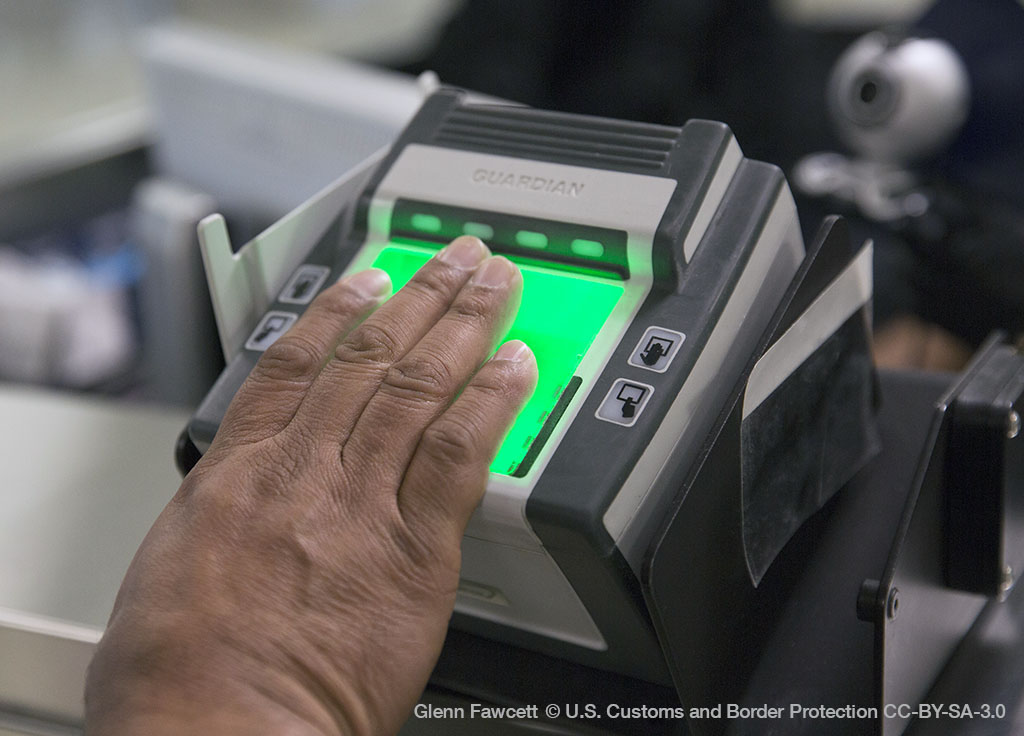
The Charles de Gaulle airport (CDG) in Paris has begun the expansion of its biometric recognition system, which was introduced in 2010 and scans passengers' biometric passports and fingerprints. They aim to reach 20% of passengers using the airport daily in the current financial year.
In some Spanish airports such as those of Madrid (MAD), Barcelona (BCN) or Malaga (AGP) initiatives aimed at biometric passenger enrolment were already launched in 2010. The verification matches information from the electronic ID card or digital passport, fingerprint and facial recognition. Since 2015, this system is being extended to other Spanish airports.
In the Silvio Pettirossi airports (ASU) and Guarani (AGT), in Paraguay, passenger control systems based on fingerprint, face and digital reading of passports have been in operation since last year.
The Jorge Chávez airport (LIM), in Lima, implemented in 2016 several biometric gates connected to the databases of several national and international security forces where the passenger's fingerprint and facial image are taken, facilitating, for the time being, the fast passage of those who have an electronic passport.
More than a dozen international airports in Brazil have implemented facial identification systems based on automatic face recognition from photos, CCTV images, videos and webcams.
Of course, United States is one of the countries where the biometric revolution is most widespread. What is most remarkable in this case is the widespread use of the biometric passport, whose holders are witnessing the great difference, in their favour, of having this type of documentation, or not.
Más de un centenar de aeropuertos en todo el mundo están implementando en estos momentos tecnologías tendentes al reconocimiento biométrico de personal y pasajeros. Ya no se trata de iniciativas aisladas o de evaluación de tecnologías, sino de soluciones reales a dos problemas que convergen en un buen número de aeropuertos del planeta como son la demanda creciente de pasajeros y los requisitos, cada vez más restrictivos, de seguridad. Adoptar estas soluciones requiere un análisis previo de viabilidad y normativa que AERTEC aborda desde su consultoría aeronáutica especializada, con experiencia en más de 40 países