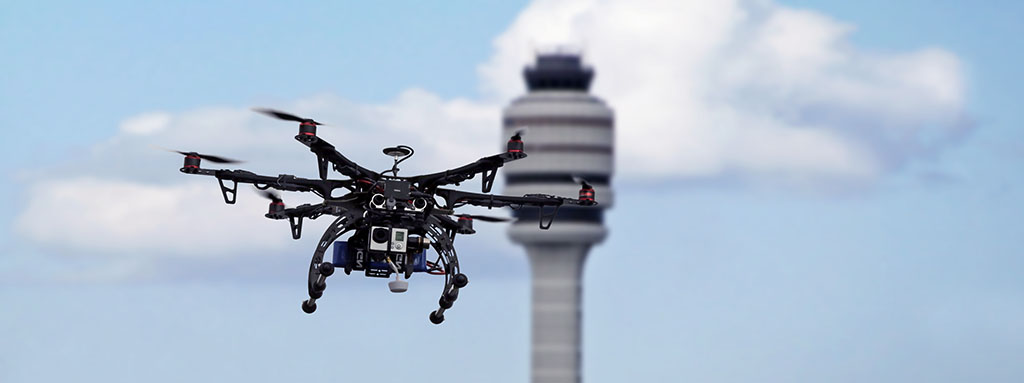
The ineffable influence of the technological evolution in all facets of life is as obvious as it is unpredictable in most cases. A clear example of this is the appearance, development and boom of the drones for civilian use. They have burst into today's society with applications ranging from strictly recreational use to productive use (filming, security, inspections, messaging, communication, etc.).
A number of countries are in the process of developing effective legislation to curb the indiscriminate or uncontrolled use of drones.
There is no doubt that drones bring a good number of benefits to the solutions to everyday needs y han abierto las puertas a nuevas aplicaciones como la Advanced air mobility, donde la integración de drones urbanos exige nuevos marcos regulatorios y de infraestructura, usos e incluso desarrollos profesionales que eran desconocidas, por inexistentes, hace unos pocos años. Pero también se han convertido en un risk for certain activities, which now see their presence as a potential threat.
En el caso de los aeropuertos hemos vivido recientemente varios incidentes en los que se han visto involucrados aviones y drones. En todos los casos, sin excepción, la imprudencia o la culpabilidad de los incidentes ha recaído de la parte de los drones, mientras que el riesgo para la seguridad ha incidido en la parte de los aviones. La gestión de estos incidentes recae sobre los equipos de operaciones aeroportuarias y seguridad operacional, encargados de mantener los protocolos SGSO y los planes de emergencia
To complicate matters further, most of these situations occur during landing or take-off manoeuvres, times when the workload in the cockpit is greater and, therefore, the stress on crews is higher. In the United States, for example, 241 incidents involving drones and aircraft have been identified in the last year. Something similar is happening in the rest of the world, with episodes of some seriousness documented in the airports of Paris, London, Santiago, Bilbao, Rome and Athens, to name but a few.
A number of countries are immersed in the development of effective legislation to curb the indiscriminate or uncontrolled use of these small aircraft, especially in high-risk environments such as airports. Some countries have already been regulating their use for a number of years. But that is not all. Aviation authorities and organisations are also focusing on other collateral actions such as prevention and detection.
In the context of the preventionIn addition to the existence and compliance of the drone pilot with the law, the installation of devices and software to prevent them from entering sensitive airspace and inhibiting their capabilities is being tested.
With regard to the detection the range of solutions is wider. The first challenge is to have reliable instruments to locate them. Next, the actions proposed (some of which are already in use) range from the use of birds of prey to capture or shoot down the drone to net launchers to catch them in flight.
Fortunately, so far the incidents have not escalated. It is precisely at this time when it is necessary to make every effort to avoid episodes that we may regret in the future. Moreover, the number of drones is growing all the time.
What do you think?
¬ US studies technologies to disable drones near airports (ENG)