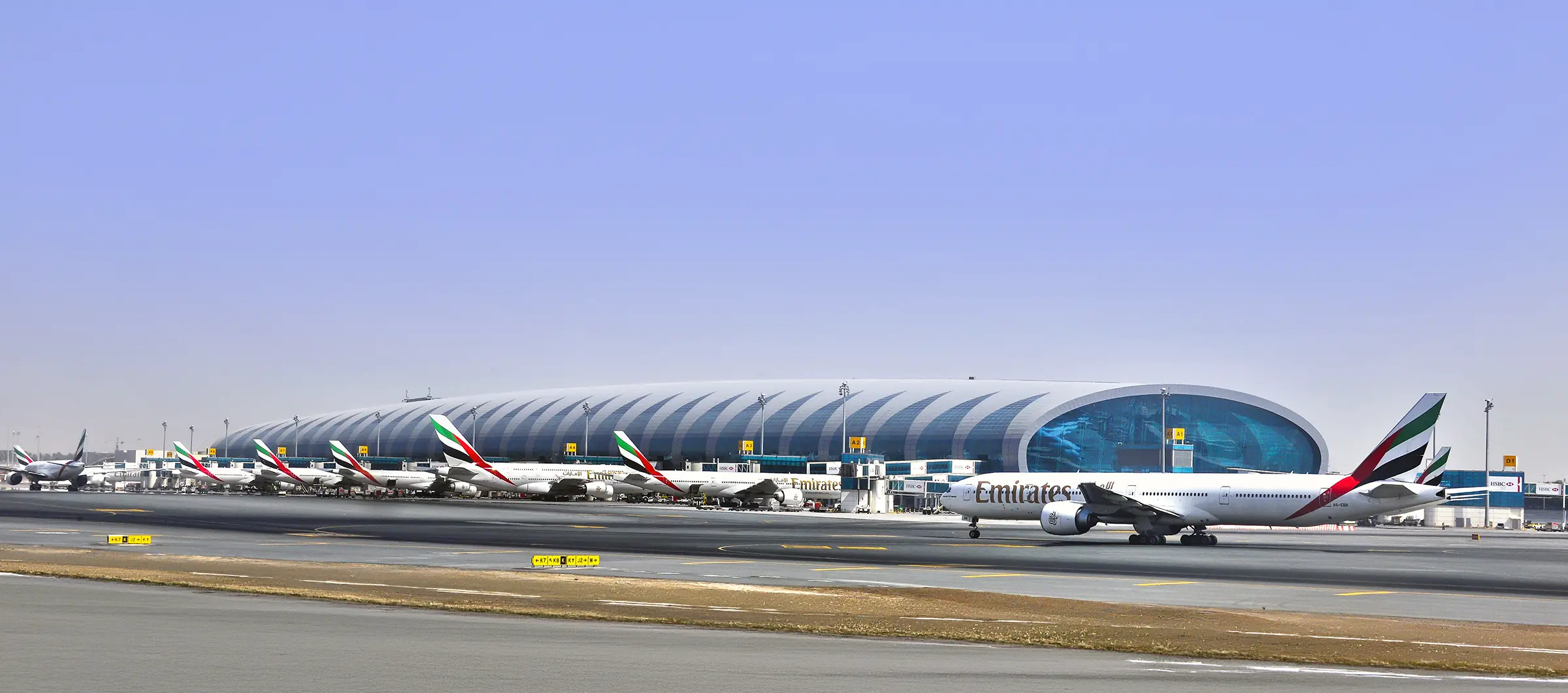
There are thousands of commercial and cargo aircraft, drones, satellites, scientific stations, and even space debris in the sky. These objects move in specific orbits at different altitudes, which helps maintain a certain order in the atmosphere.
Looking up at the sky is an action that has many synonyms: dreaming, investigating, relaxing, making wishes, excitement, hope, love, restlessness, or my favourite, adventure.
Every time we look up at the sky, whether it is day or night, we can see some of the aircraft flying overhead. We can probably spot a few with the naked eye, but we cannot imagine the hundreds of them that are actually there at any given moment. Entertainment drones, balloons, commercial aeroplanes, research rockets, military aircraft, satellites...
Thousands, many thousands of aircraft take to the skies every day.
Thanks to these aircraft, we can travel and transport goods between almost anywhere on earth. And thanks to satellites, which are much further away, we can send messages from a mobile phone, connect to the Internet in remote areas, know our position, see our house on Google Maps or find out what the weather will be like next week. And the International Space Station (and those to come), to give an example that is out of the ordinary, is an exceptional laboratory for many of the innovations and advances we use on a daily basis, even if we are not aware of it.
All these aircraft and objects move in specific orbits at different altitudes, which helps to keep them more orderly than one might initially think. There are orbits where groups of aircraft are concentrated, while others are almost empty.
But not everything that glitters in the sky is useful. There are also other objects that are not aircraft: space debris. More than 8,000 pieces of rocket debris, disused satellites or fragments of them are still out there.
This infographic shows the main or most famous aircraft that fly over our planet, or have done so in the past, so that we can organise at a glance the enormous sky above us.