Safety is the priority in any decisions made from the control tower.
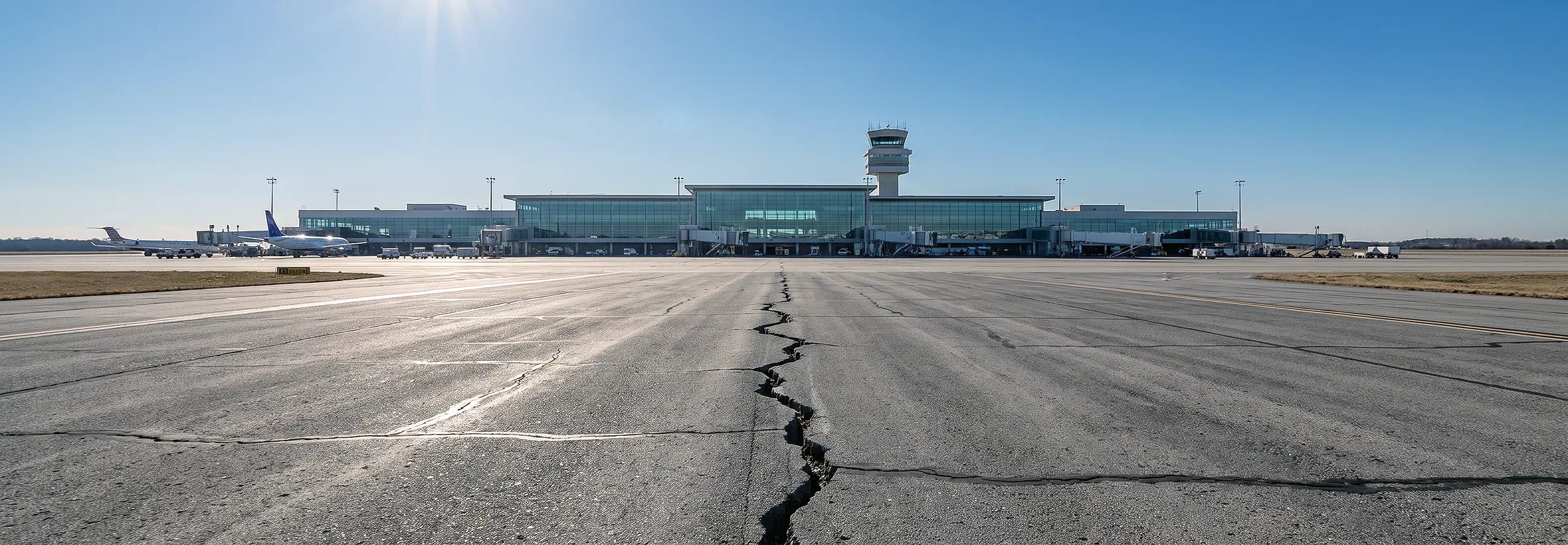
The control tower is a particularly striking element in the horizontality of the airport landscape. It is, in most cases, its hallmark and the element of reference on the horizon. But the control tower is a much more important building than many might think, especially because of the work carried out by the professionals inside it.
The air traffic control in and around airports is the primary function of control towers. This mainly includes the approach, landing, take-off, and taxiing of aircraft. At airports with hundreds of daily operations, this is particularly complex as well as fundamental. By using data, analysis, and immediate decisions, all aircraft are ensured an extra level of security in its operations.
As is evident, the instrumentation ...has evolved a lot over the years. So have communication systems, data processing, geolocation, etc. But uniquely, a lifelong tool, binoculars, have not lost their relevance. In fact, air traffic control professionals located in the tower of each airport are the only ones authorised to make decisions based exclusively on direct visualisation, without the aid of instruments.
Nevertheless, the use of complex automated systems is common, which allow the most common tasks to be carried out, at least under normal circumstances, with little or no human participation. There is a lot of technology, consoles and screens that minimise manual operations and detect conflicts even before they occur.
In this infographics we have taken a closer look at the important role that these unique buildings play in the overall procedures affecting flights. We hope you enjoy it and feel free to share it.