El sector aeronáutico ha asumido desde hace muchos años un compromiso firme y constante por la sostenibilidad como parte de los valores ESG, siendo algo que ya aporta beneficios claros a su entorno.
From the earliest human efforts to take flight, innovation has been a constant. If we think about it, the very fact that we are confronted with the nature of flight, for which we were not designed, is already an exercise in innovation.
While in the early days the challenges were geared towards breaking records such as speed, height, capacity or autonomy, over time the priorities have changed. In fact, the values that companies once prioritised in their competition for the marketplace were more often related to issues of an almost exclusively technical nature.
Without abandoning that approach, aerospace companies are now also looking at other values beyond their own technological and technical capabilities. It is now a question of advancing their environmental, social and governance policies.
In 2004, Kofi Annan, at the time Secretary-General of the United Nations, called on the major financial institutions to partner with the UN to identifying initiatives to integrate environmental, social and governance concerns in global capital markets and investment institutions. Following this request, the World Bank held the "Who Cares Wins" conference in 2005 to examine the role of social and governance indicators. They became known as ESG (Environmental, Social and Corporate Governance) values.
What was initially targeted at companies in the financial sector has evolved into a global trend for the active brand valuation. The environmental, social and corporate governance (ESG) is an assessment of a company's collective awareness of social and environmental factors. This is being applied both in the internal context of companies and in the services, solutions or products they offer to their customers. In the aerospace sector as well.
The sustainability is a term that was originally used in the fight to save the planet, but today it has become a generic term for environmental, social and governance issues. Citizens, the media, user groups, regulators and governments are putting the spotlight on companies themselves and demanding clear actions in this regard.
For its part, the aerospace sector has taken on a relevant role in ESG values in various areas since the beginning of this century. A clear example of this is the work carried out over the years to improve aircraft efficiency, optimising materials, managing processes more efficiently and globally reducing emissions, both as an industry and in terms of aircraft operation and, consequently, in air transport. There is still a long way to go, but the results are clear, because one of the keys to this approach is the perseverance in the attitude of improvement.
In the aerospace sector, there are a number of challenges that will be key in the coming years, regardless of the company's specific field of performance (manufacturer, supply chain, operator, airline operator, airports, etc.). The commitment of aerospace companies is very broad in terms of ESG values.
The environmental factor (E), which deals with decision-making on the basis of how companies' activities affect the environment, is often the most evident from the outside. For many years now, it has been possible to observe the continued progress towards a more environmentally friendly industryThe impact of the processes or the waste generated is also a key factor in this respect. Digitalisation is also, in its broadest sense, a concept that is contributing a great deal in this respect.
The social factor (S) is the benchmark for the community impact of the company's activities, for example, in terms of diversity, human rights or health aspects. This is an aspect of the company's intimacy and its relationship with people, and the aerospace sector follows the same trend as companies as a whole. However, the overall benefit to society of air transport (both for people and goods) should be emphasised. Today they would not be understood global economy, business, leisure, medical care, emergency assistance or international collaboration without air transport.
For its part, the governance factor (G) assesses the impact of both the structure and the administrative actions of companies. Its major impact, among others, is transparency..
If we focus on the environmental factor, which is the most striking in terms of its implications, among the challenges it addresses, the objective of the decarbonisation of the aviation sector. By way of example, here are a few lines of work that are particularly noteworthy in this field:
Use of more sustainable fuels.
For some years now, a new generation of PAS (Sustainable Aviation Fuel) from recycled materials such as cooking oil or bio-waste. Compared to traditional fossil fuels, these new sustainable fuels can reduce CO2 emissions by 80%. Forestry or agricultural waste and residues are part of the production of PBS, along with municipal solid waste (MSW) or algae.
Work is also underway on technologies (such as electrofuels) based on carbon from waste gases or direct air capture combined with hydrogen from renewable energies and PBS.
Electrical systems.
The evolution of electrical systems has been oriented towards two specific objectives: aircraft electrification (MEA) and electric propulsion.
MEA (More Electric Aircraft) refers to the tendency to increase the aircraft's electronic systems, replacing hydraulic, mechanical or pneumatic systems.
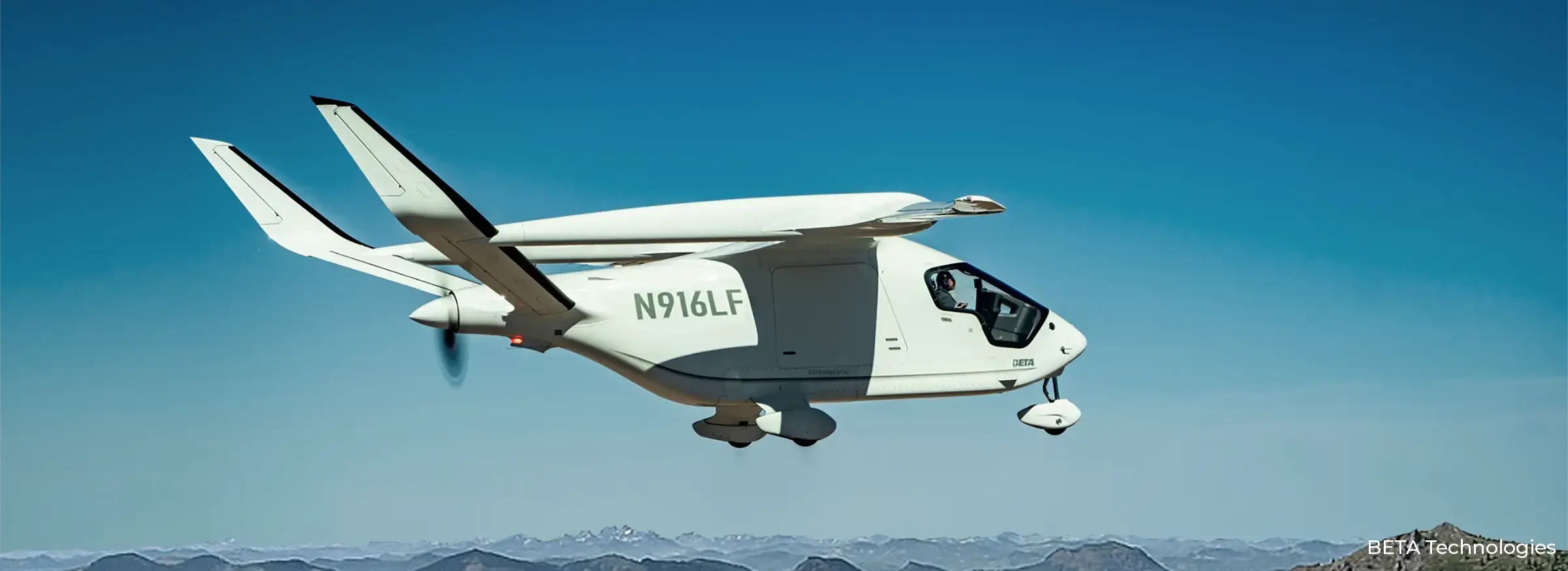
Electric propulsion, on the other hand, aims to enable aircraft to fly without using fossil fuels. For the time being, there are already some commercial companies with small aircraft for short flights that only fly electrically. This type of propulsion will probably never reach (at least with current knowledge and technology) large jets, but any progress that can be made in this direction for smaller aircraft will be a good step forward.
Hybrid-electric propulsion
This refers to propulsion systems combining conventional jet engines and electric motors. According to current lines of work, there are several trends, two of which are of interest: On the one hand, the provision of additional thrust at take-off (short segment of high-thrust flight) by electric motors which cease to operate during cruise flight.
On the other hand, there is the development of hybrid-electric propulsion systems that allow fuel savings during long sections of low thrust cruise flight.
Hydrogen as a fuel
Many challenges remain, but hydrogen promises abundant, clean and sustainable energy, with water vapour being its only by-product.
In recent years there has been considerable progress in hydrogen fuel cell technology and, in fact, there is a significant effort in the European Union to support the advancement of hydrogen for aviation.
A notable advantage of the hydrogen stored in the aircraft is that it can also be used as a source of electrical energy other than propulsion. In this sense, the distributed generation of electrical energy along the fuselage of the aircraft, using hydrogen-powered fuel cells, is one of the most important features of this technology.
Sustainability in the airport environment
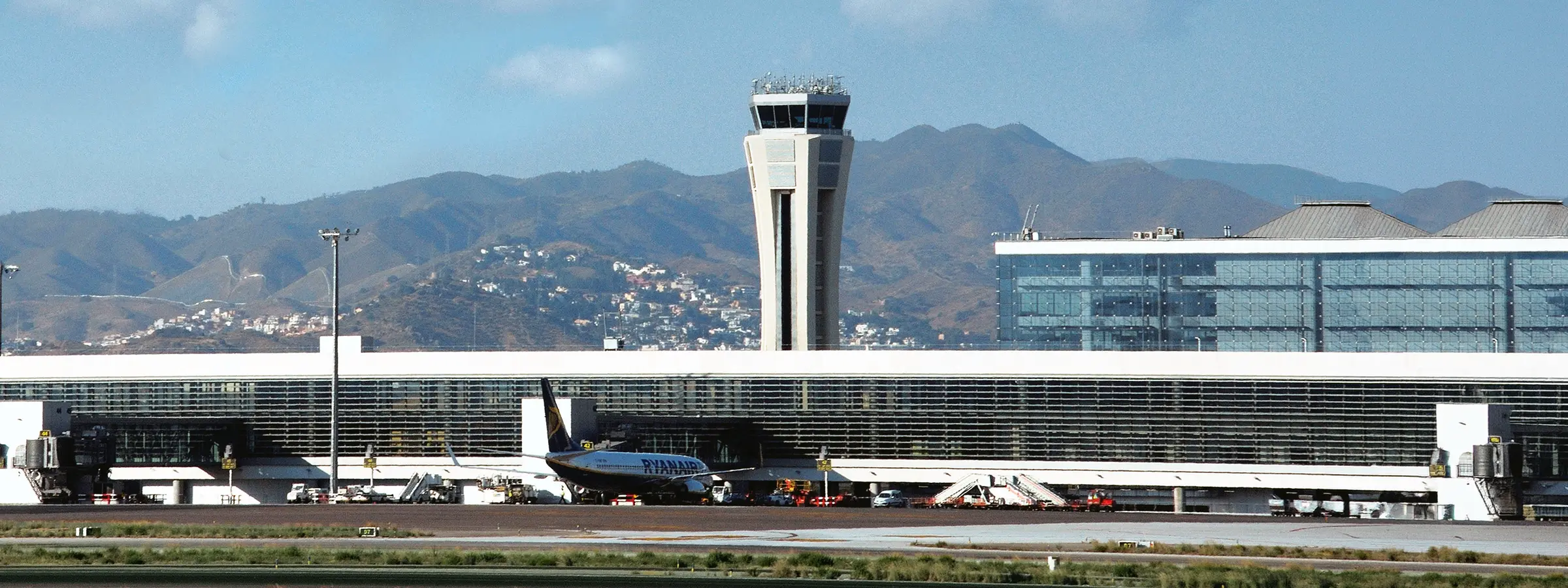
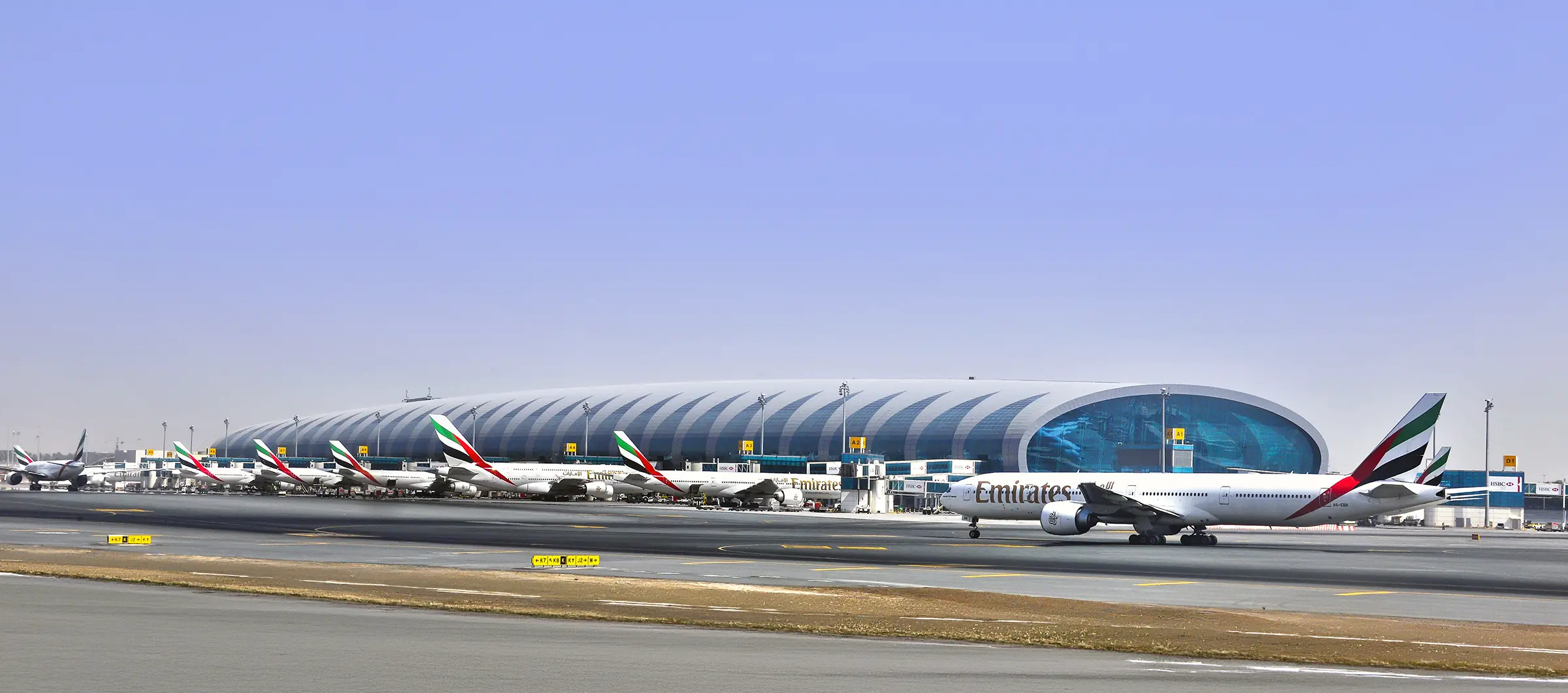
For their part, airports are following the same path. In 2009, the ACI (Airports Council International) launched Airport Carbon Accreditation (ACC) in Europe, aimed at promoting and boosting the actions undertaken by airports to reduce carbon emissions into the atmosphere. Today there are already more than 400 airports in 86 countries, which account for 49.5% of global passenger traffic worldwide. For more information on this topic, please read the following post Airports and the fight against climate changeon this blog.
In short, far from the voices that point the finger at the aeronautics and air transport sector as highly polluting, it is fair to point out that the efforts undertaken in the 90s of the past century by improving sustainability The advances in this sector are already patentable. Increased aircraft efficiency, the use of new materials, optimisation of fuels, research into new sources and many other lines of work have led to the development of new technologies. increasing the overall sustainability of the sector by more than 30%. And, as we have already reviewed, there is still a long way to go.