The APU and e-Taxi could soon allow for a 4% fuel saving in aircraft by not having to start the engines until the moment of takeoff.
While many aircraft systems and components are known to the general public, the APU (Auxiliary Power Unit) It is a relatively unknown system, despite the multiple benefits it provides. Together with the ECB (Electronic Control Box), the electronic system that controls it, they form the APS (Auxiliary Power System), although this article will focus solely on the APU.
The APU is a completely independent system, operating on the ground and in flight, and its main function consists of to supply, where necessary, power whose function is not to propel the aircraft, i.e. supplies both electrical and pneumatic power; either as support or as an emergency. With this power supply, the APU allows: the start-up of main engines, supply of electrical power and air conditioning with the engines shut down and contribution of power during flight.
The APU is usually located in the tail section of the aircraft (Section 19.1), where, if observed from the outside, we can see the exhaust gases if it is running.
Who hasn't wondered why on some older aircraft the lights briefly flicker when we're on board waiting for the plane to depart? The answer is that the APU is running, and that's why there's a brief power interruption (transition) in the lights as the electrical supply switches from the APU to the main engines, which have just started.
On a technical level, an APU consists of a gas turbine that is divided into three sections:
- Power section: Turbine engine, which provides power to the APU.
- Boost compressor: Supplies pneumatic pressure to the aircraft.
- Gearbox: Transmits power from the APU to an electrical generator that supplies electricity to the aircraft.
The most interesting thing about the APU is its Benefits for airlines:
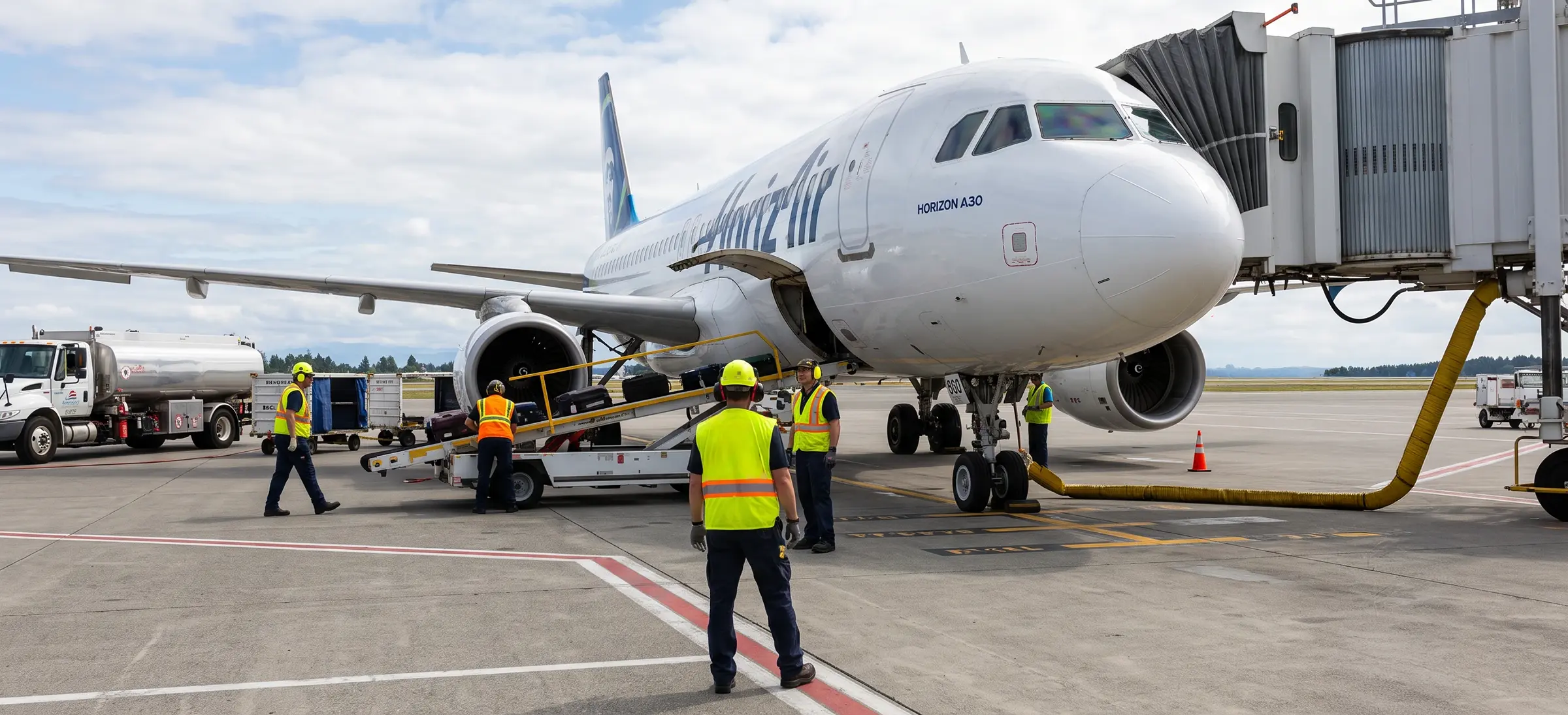
- Cost Reduction While the aircraft is parked on the ground, it does not need to keep its engines running to supply air conditioning or cabin lighting, which reduces fuel consumption and maintenance costs by being able to obtain this energy without having to keep the main engines running
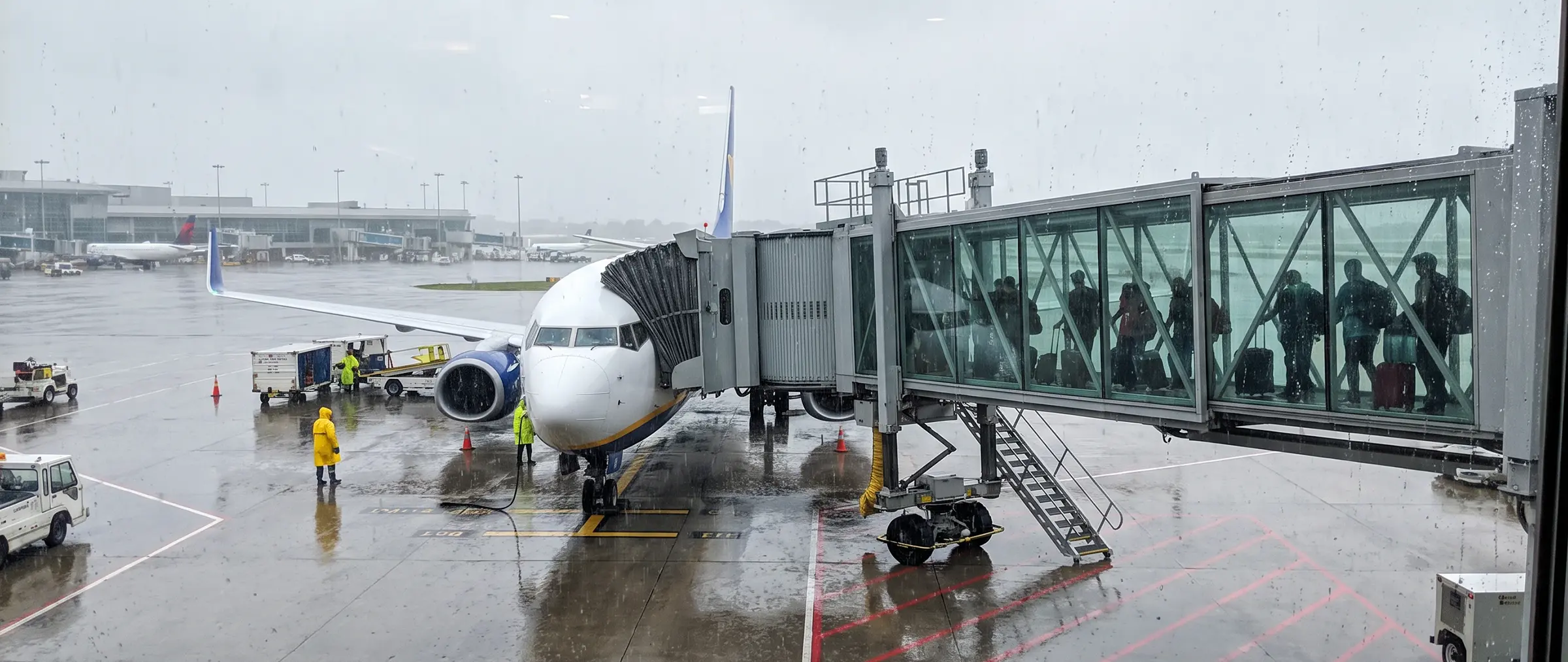
- Aircraft energy independenceWhile the aircraft is on the ground or during maintenance, the APU allows the aircraft to operate independently, without the need for an external power source, or to start the main engines, thus being able to supply the aircraft's electrical and pneumatic systems itself. Therefore, The airline will not be obliged to pay for this additional service to the airport when it is possible to obtain power from the APU, having the option to choose the lowest-cost option; also considering that at some small airports the external power supply option is not available.
- Supply of emergency powerThe APU greatly facilitates an aircraft's ability to obtain ETOPS (Extended Twin Operations) certification. In the event of an engine failure, the APU will be essential, being capable of providing the electricity and air supply that the engine was supposed to provide. ETOPS-certified aircraft can undertake long-distance routes, especially those that cross deserts, oceans or polar regions, which were formerly not permitted for twin-engine aircraft. Therefore, in this case, the APU provides a additional benefit to airlines, by being able to operate longer routes with the same aircraft.
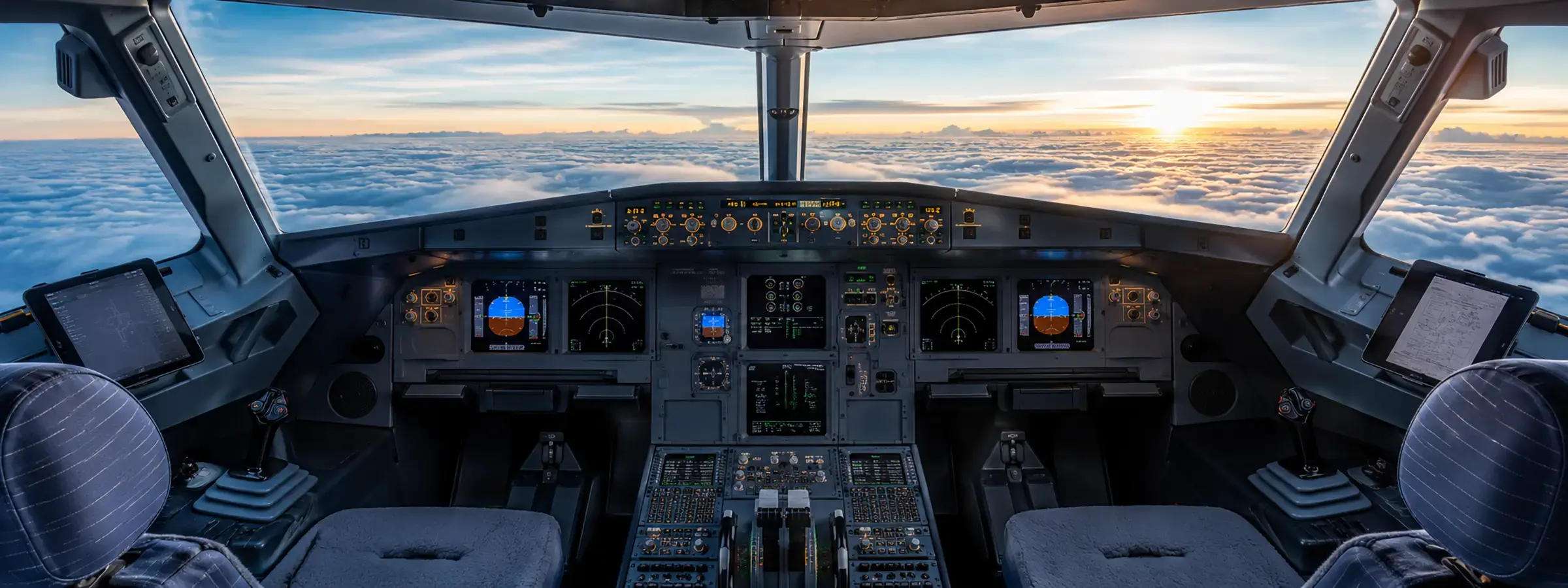
- Essential for certain phases/situations in flight: The APU can be essential for starting the engines in flight. In the unlikely event of both engines failing, the APU could provide power to restart them in flight and enable landing at the nearest suitable airport. It also supplies pneumatic power until the aircraft reaches a certain altitude.
As with any system, the APU is one of continuous evolution, meaning its future lies in its ongoing improvement. New equipment under development aims to:
- An increase in efficiency, through considerable fuel consumption reduction, which will also reduce pollutant emissions.
- A weight reduction of the equipment, the current weight of the full equipment, i.e. APU + ECB, ranges between 140-170 kg in an A320.
- An increase in system reliability.
Future applications they pass by it e-Taxi, an application that allows aircraft taxiing with partial or total electrical supply from the APU, without needing to use the main engines. This is intended to achieve a 4% fuel saving for every 500 NM flight in an A320 by not having to start the engines until the moment of take-off. It also reduces polluting emissions during the aircraft's flight.
In the longer term, the trend is to implement the Fuel Cells which present significant efficiency improvements, reducing polluting emissions and fuel consumption.