One of the reasons why aviation is one of the safest means of transport is undoubtedly the existence of a strict maintenance protocols for the aircraft. These are regulated procedures, specific to each aircraft, which in all cases are approved and monitored by the aeronautical authorities of each country.
The maintenance programme of any aircraft is a basic pillar to ensure not only the safety but also the longevity of the aircraft in the best possible conditions of reliability.
Although it depends on various circumstances, it is assumed that the average service life of a commercial aircraft is around 25 years. However, this figure is misleading. First of all, because it will really depend on the flight hours emissions from the aircraft over the years, and also because this may vary depending on other factors such as the aircraft model, environmental climatology, strict adherence to maintenance schedules, etc.
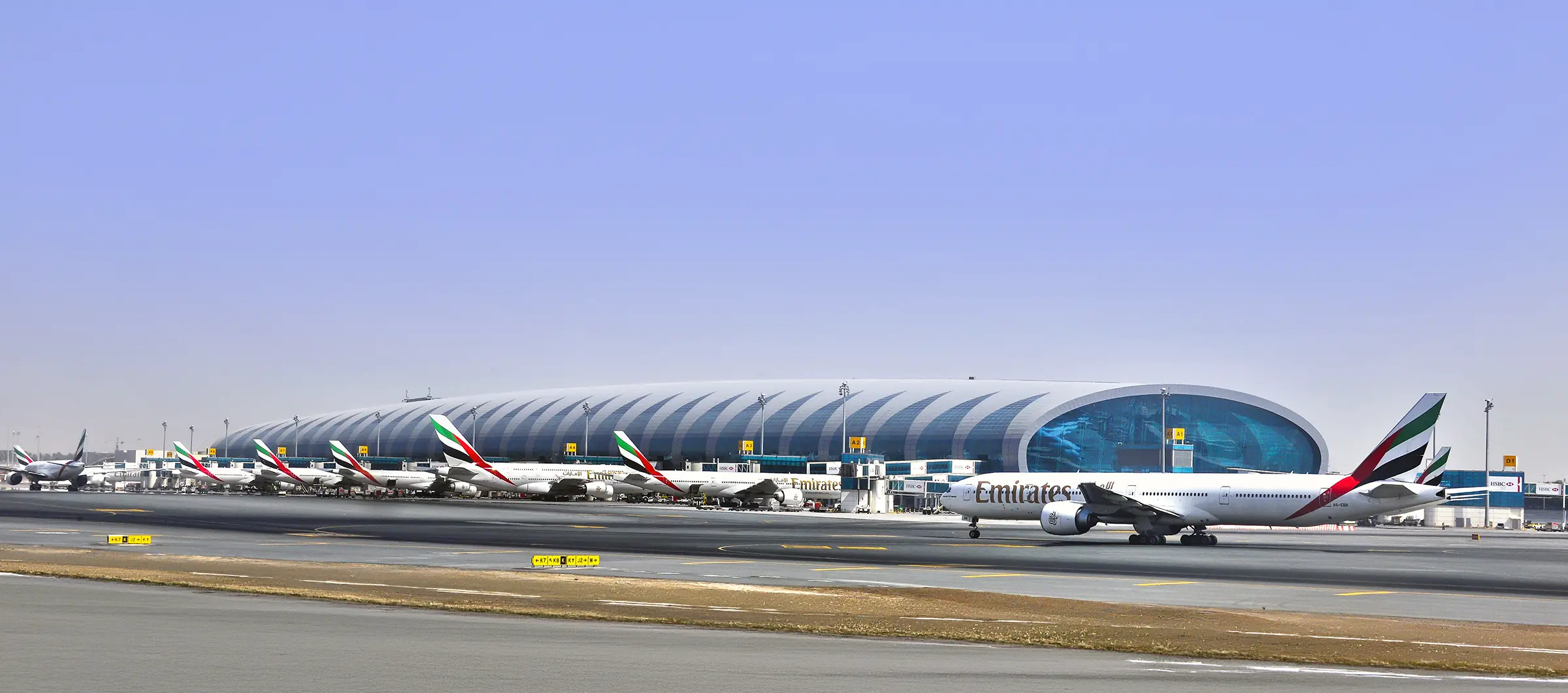
It is rare for an airline to maintain an aircraft for so long. In reality, the average life of an aircraft in an airline is around 10 years (Air Europa 4.3; Emirates, 6.1; Iberia 9.4; KLM 10.4; Lufthansa 11.2; Air France 11.3 or British Airways 12.5). (1). They are then sold to other airlines and may eventually be converted to freighter aircraft. In all cases, each aircraft will have consumed over the course of its lifetime many hours of maintenance and overhauls by mechanics, technicians and engineers. They will have taken care of their overhaul in highly specialised facilities so that, despite the years, the aircraft still look palpably young.
But what does aircraft maintenance consist of?
Any aircraft follows a scheduled overhaul plan based on flight hours and with specific specifications for each model. Its purpose is to maintain the standard (certificate) of airworthiness of the aircraftThis means having the highest possible safety index and, consequently, the highest possible reliability.
However, at any time, if a fault is found on an aircraft, it is assessed and, if necessary, repaired immediately. This is what is known as a unscheduled procedure.
Scheduled maintenance, on the other hand, is that which, regardless of how the aircraft operates, must be carried out when a certain number of flight hours have been completed. Their purpose is preventive action. They include all the operations necessary to keep aircraft in perfect working order, guaranteeing their useful life and reducing failure costs as far as possible. Although they ultimately depend on the aircraft model, in general they are as follows:
In-transit or pre-flight check.
This is a quick inspection carried out before any flight or stopover. The general condition of the aircraft, landing gear, fuel level, oil, hydraulics, access panels, etc. are checked.
Daily review.
It is performed before the first flight of the day. Apart from the above, systems and equipment are checked.
Service review.
It takes place every 100 flight hours (approximately one week). All aspects related to the safety of the aircraft are checked, any detected incidents are corrected and all the necessary fluid levels for flying are reviewed and optimised.
Revision A.
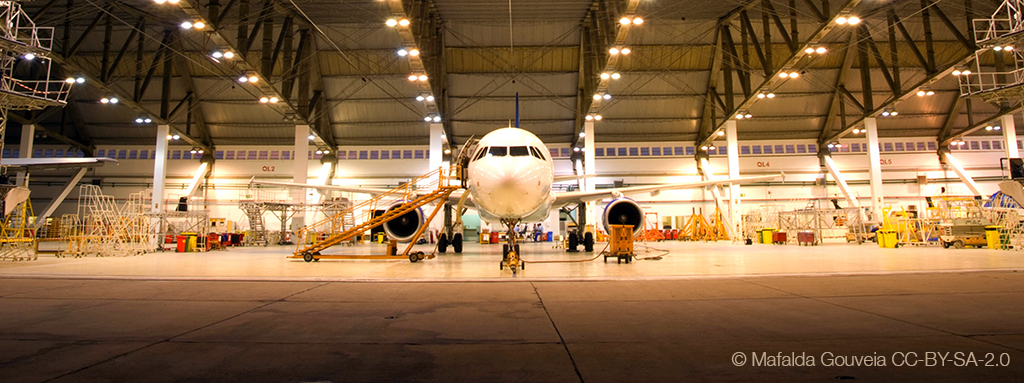
It is performed when the aircraft has between 500-800 flight hours or 200-400 cycles (each take-off and landing series is so called). It includes a general inspection of the aircraft structure, systems and components. The check affects both the interior and exterior of the aircraft, which must spend the night in the corresponding hangar.
Revision B.
It is complementary and more intensive than the previous one and is usually applied to older aircraft (modern ones do not generally require it). It is carried out every 4-6 months and lasts between 1 and 3 days.
Revision C.
It occurs every 15-24 months and involves a hangar shutdown of between one and two weeks. A complete and extensive maintenance procedure is carried out, detailed by area, on all the interior and exterior elements of the aircraft. Some airlines take the opportunity to introduce certain innovations and renovate the cabin (multimedia elements, lighting systems, rearrangement of classrooms, etc.).
Revision D.
It is also called "the Big Shutdown" and is carried out every 6 years. It is the most exhaustive maintenance process that an aircraft undergoes during its lifetime. Depending on the type of aircraft, up to 300 specialised workers may be involved (in the case of the A380) who, with some 60,000 hours of work, keep the aircraft in dry dock for between 45 and 60 days. The cost is around 2 million euros. It is obvious that for smaller aircraft these figures are much lower.
During the Grand Parade, almost the entire aircraft is disassembled, including the complete replacement of the paintwork, a structural review of all parts of the aircraft, X-ray analysis of surfaces, disassembly of engines and replacement of some parts with original parts, even if they are in good condition. This overhaul ends with functional checks on the ground and a test flight where all systems are tested and the aircraft is subjected to extreme flight conditions for 6 hours under the supervision of pilots, technicians and engineers.
Such is the depth of these overhauls that airlines almost always take advantage of them to completely replace systems with more advanced and recent ones that most probably did not exist when the aircraft was acquired. It is also true that, due to their cost and quarantine time, some airlines take advantage of the opportunity to sell the aircraft and replace it with a brand new one.
The result of the Big Stop is an aircraft with zero flight hours or, in other words, as if it had just left the factory.
There is no option for airlines but to comply with these maintenance procedures irrespective of the apparent condition of the aircraft. Failure to do so would result in the loss of the relevant airworthiness certificate and the aircraft would have to be grounded.
Aviation security is not a trivial matter. It is an imperative assumed by all. Complying with aircraft maintenance protocols is therefore essential to gain the confidence and ensure maximum safety for those who keep the whole business running: the passengers.
(1) Data taken from Airfleets y Planespotters (Oct. 2016)