If defence adopts new models, it is because threats do. Even the most liberal know that the State has a duty to safeguard the security of its citizens and protect its country's interests wherever they are threatened. All efforts and actions to achieve this are what we call defence, and the capacity and competence of its role can be made in accordance with the budget allocated to it annually.
Turning your back on danger by ignoring its existence does not make it go away.
In times of budgetary constraints, it is easy to get carried away with cutting back on an area that, at first glance, does not seem so socially necessary. If you don't feel clearly threatened by an external enemy, why not save it? The reality is that turning your back on danger by ignoring its existence does not make it go away.rather the opposite. Identify yourself as vulnerable makes you an easier prey for the one who intends to harm you and that stimulates his threat.
The threat in a Western country has changed a lot in the last century: it is fuelled in unstable countries, financed by perverse interests and executed in guerrilla warfare at any time and place in the world. The defence response has to adapt and must be proportionate. The worst thing about a war or guerrilla war is the suffering of the innocent; the casualties among those who just want to live in peace are as important in a remote part of the world as in your neighbourhood.
That the threat can hit you anywhere in the world will make you requires logistical capacity to deploy the defence function effectively. Operational and armament should be developed to be efficient and accurate. Make sure that what you have is what you need and that it will serve your mission, avoiding harm to those outside the conflict but unfortunate enough to live close to it.
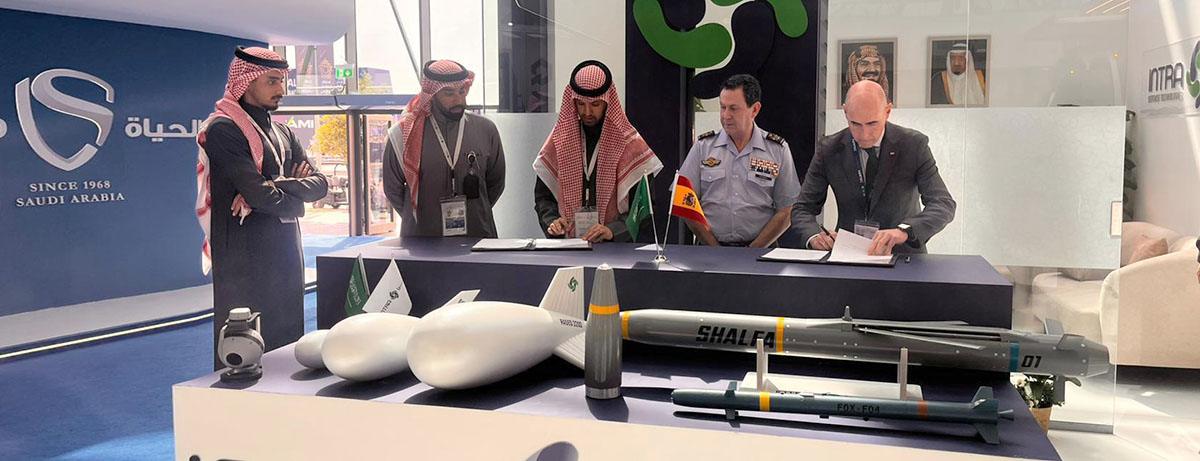
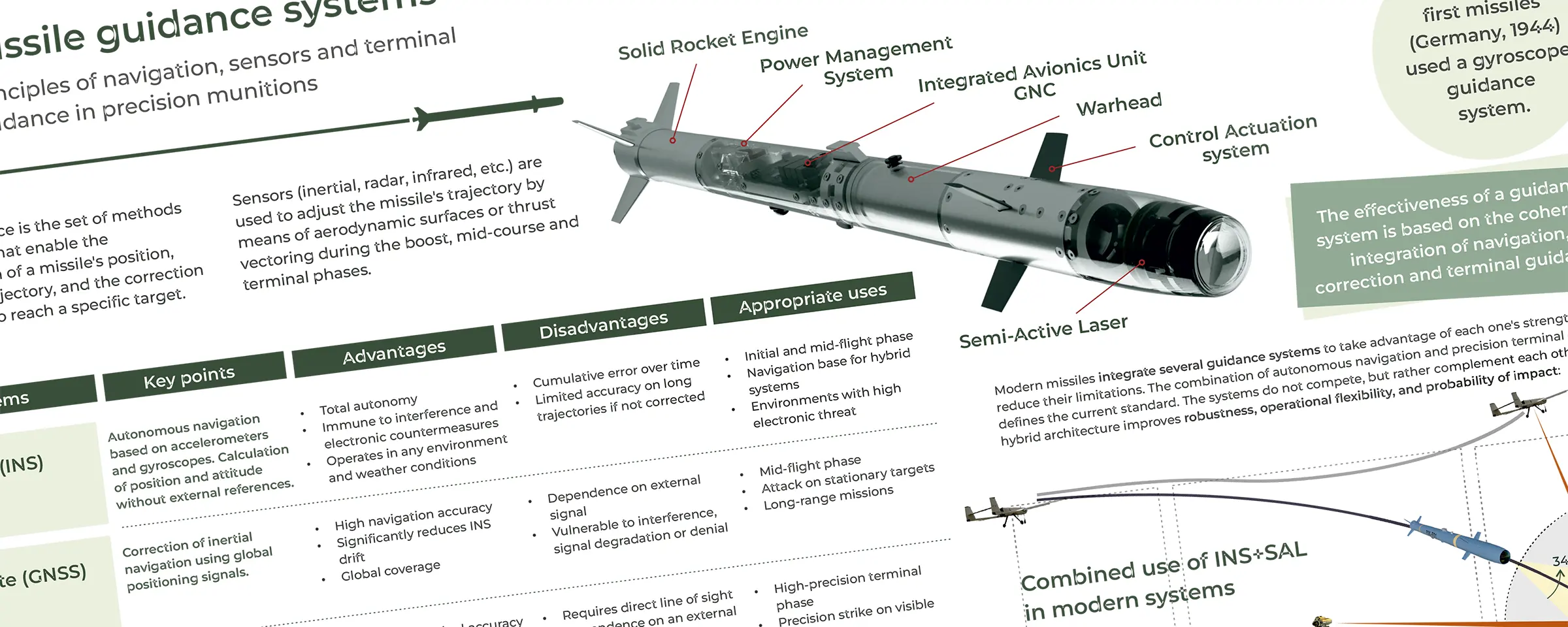
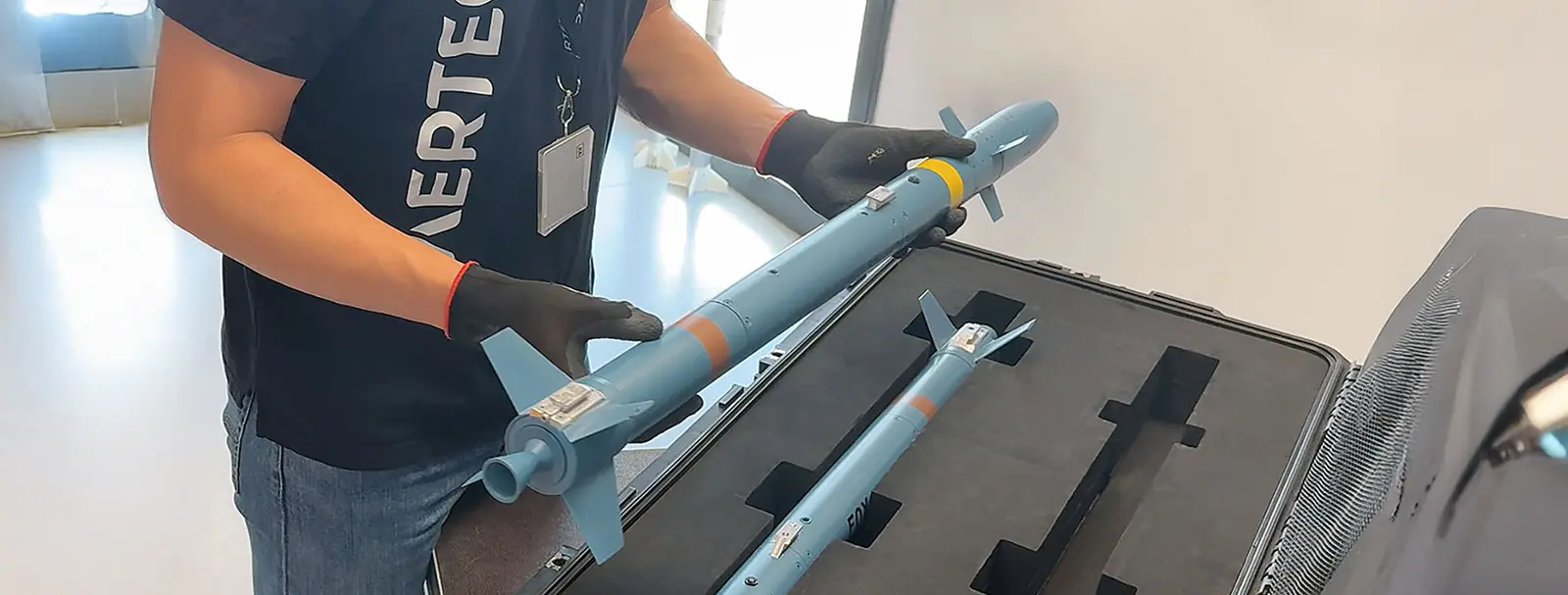
Logistical means, unmanned systems (popularly known as drones) and precision weaponry must be at the forefront of modern defence priorities. It is a question of using defence operations intelligentlyIt's about being mission-focused and acting only on the necessary perimeter. It is about fulfilling the duty to defend, to do so. with international obligations The state's responsibility is to defend its citizens, to execute it with the professionalism of one who has no choice but to be prepared, to avoid harming innocent people, and to be ready to act at all times. Indeed, the defence of its citizens is the first responsibility of the state.