Dr. Mustafa Sani Sener is a member of the Board of Directors, Chairman and Chief Executive Officer of TAV Airports Group.
"Culture cannot be transferred. It can only be integrated and this is essential for the success of a company".


TAV was founded in 1997 and celebrates its 20th anniversary this year. How has the company evolved over these two decades and what are the main challenges for the future?
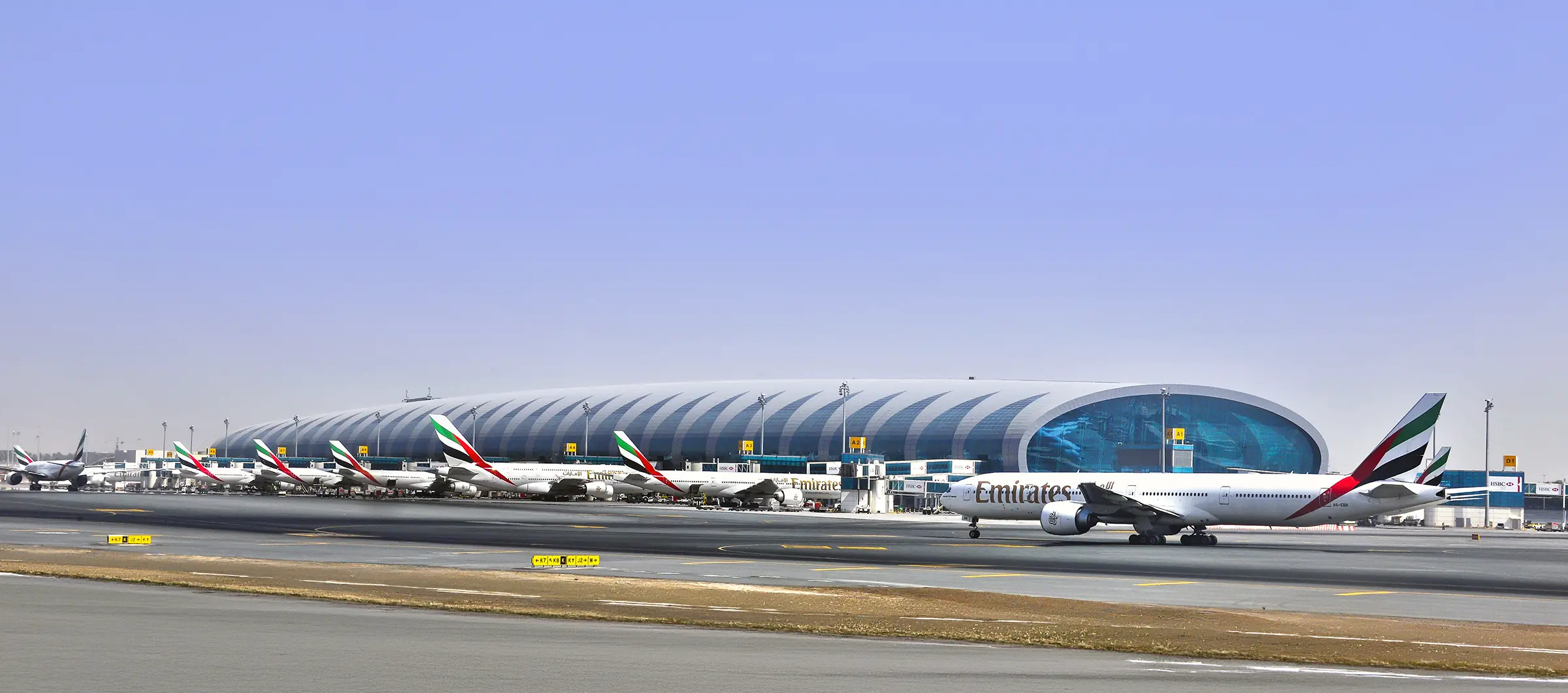
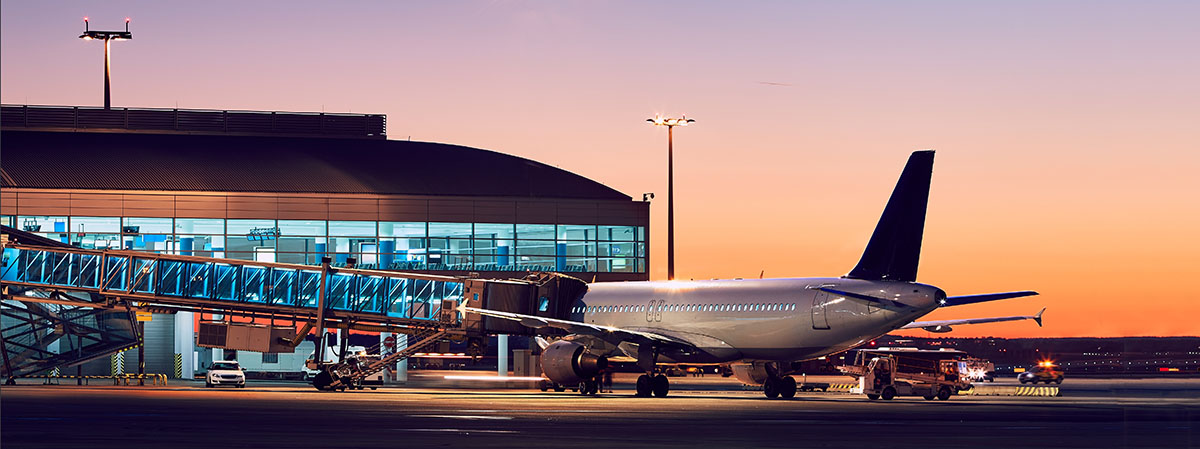
TAV is a group dedicated to the development, management and construction of airports; a holding company an integrated airport development company that offers customised turnkey solutions for airport projects worldwide. It was created to develop Ataturk International Airport in Istanbul, Turkey, in 1997. Ataturk was the first example of airport privatisation in Turkey. Given the successful implementation of the build-operate-transfer model, the government followed the same concession mode for other airport projects in the country in which TAV is a preferred partner, making us pioneers of an entire industry from the ground up. The group is one of the few in the world to be governed by this unique business model of holdings of specialised and integrated airports. In addition to operating 17 airports around the world, TAV has airport services subsidiaries for the duty-freeTAV Construction has an international reputation and is considered one of the world's leading construction contractors. In the construction sector, TAV Construction enjoys an international reputation and is considered one of the world's leading contractors. In total, including all TAV companies, the group is present at 76 airports worldwide.
In your own words, "strategy is meaningless unless you have the capacity to execute it". What are the basic pillars of TAV's strategy that have underpinned its growth?
Ataturk was a learning experience for TAV. It allowed us to accumulate the necessary know-how in all areas of airport construction, financing and operation. Privatisation and liberalisation policies paved the way and we have expanded our base in our home country with the addition of four more airports. As a result, we decided to apply the experience gained to expand our portfolio in the region. Our aim was to become a global player in financial terms and a regional leader in terms of operations. To this end, we expanded our presence to Georgia, Macedonia and Tunisia. Geographical proximity, administrative similarities and a common culture contributed to our goal and we achieved 10 airports in the first decade. We succeeded in forging balanced partnerships and, as a public company, maximised value for our partners, shareholders, employees and all stakeholders. In the second decade, we aim to further diversify the portfolio as our service businesses grow and push the boundaries of TAV. The formula for success is simple: we define the right strategy, find the right people and execute diligently.
TAV currently has 17 airports in its portfolio, six of which are in the Gulf region, one of the most complex markets. In which other markets does TAV plan to grow?
Today, global air traffic moves 7 billion passengers worldwide and this figure is growing by between 3 and 5% on average per year. Although we have the financial and operational capabilities to operate on a global scale, our focus is on emerging market countries, where growth is much higher. For this reason, the Gulf region is very important and therefore very competitive. Over the last decade, we have established a strong presence in the region. TAV Construction, our construction arm, has built airports in five GCC (Gulf Cooperation Council) capitals: Abu Dhabi, Bahrain, Doha, Muscat and Riyadh. The total value of contracts signed by TAV Construction has exceeded USD 19 billion and the subsidiary has consecutively ranked No. 1 on ENR's list of airport construction companies for the past three years. Our success at Medina Airport in Saudi Arabia paved the way for new opportunities and we have recently been selected, together with our partner Al Rajhi Group, to develop and operate three more airports in the Kingdom. In addition, we will develop and operate two more airports in Cuba in the near future. In addition to the GCC, we continue to focus on the Asian, African and Asia-Pacific markets.
Is the public-private partnership (PPP) model the future for airport projects?
Airports are strategic infrastructure projects requiring huge investment. With such a shortage of public funds, new airports could not be built, expanded and refurbished, particularly in emerging markets, which would prevent the provision of sufficient capacity to meet the demand created by airlines. Institutional development will lead to privatisation and the creation of physical infrastructure is much easier with private sector involvement. The choice between a PPP or IAC contracting model for an airport depends directly on the business plans of each country. For example, in Turkey, PPP projects have shown ample evidence of success, but in the GCC countries there is no shortage of public funds and airlines and airports are closely connected to each other, so they mainly opt for IAC contracts. Our company is able to meet the requirements of both PPP and IAC contracts. Both business models have their advantages and disadvantages. However, on the whole, because of the speed of construction and ease of operation, private airports have always been and will continue to be the authorities' choice for the future.
At the "IBM Connect 2017" summit held in San Francisco, USA, they presented the new digital communication platform TAVFACE, which will facilitate internal communication between employees and companies of the TAV group. Can you give us some more details about this platform?
TAVFACE is a common digital communication platform that brings together more than 55,000 TAV employees working at the 76 airports in the 17 countries where TAV provides products and services. It has been developed by TAV's IT team, using the IBM Connections platform. All of TAV's operations are geared towards passenger satisfaction, which is why we create innovative solutions through technology, strengthening TAV's position in the IT industry. Airport IT solutions designed by TAV are preferred worldwide. Developed to create an internal language and bring our tens of thousands of employees together on a single platform, TAVFACE has been a driver for synergy and efficiency in our internal communications.
He often talks about the "standardisation of customisation" or the "TAV method". Why is the integration of cultures so important for airport projects?
Globalisation has allowed the free flow of capital, goods and people. In today's world it is possible to transfer capital, goods and know-how from one geographical location to another, but culture cannot be transferred. It can only be integrated and this is essential for the success of a company. At TAV, we have accumulated a wealth of airport business know-how. Our ability to integrate cultures has given us the basis to put this know-how into practice in different regions. We are able to offer customised solutions that meet the requirements of the world's most varied airport projects and do so in a standardised and systematic way to create the highest possible value for our shareholders.