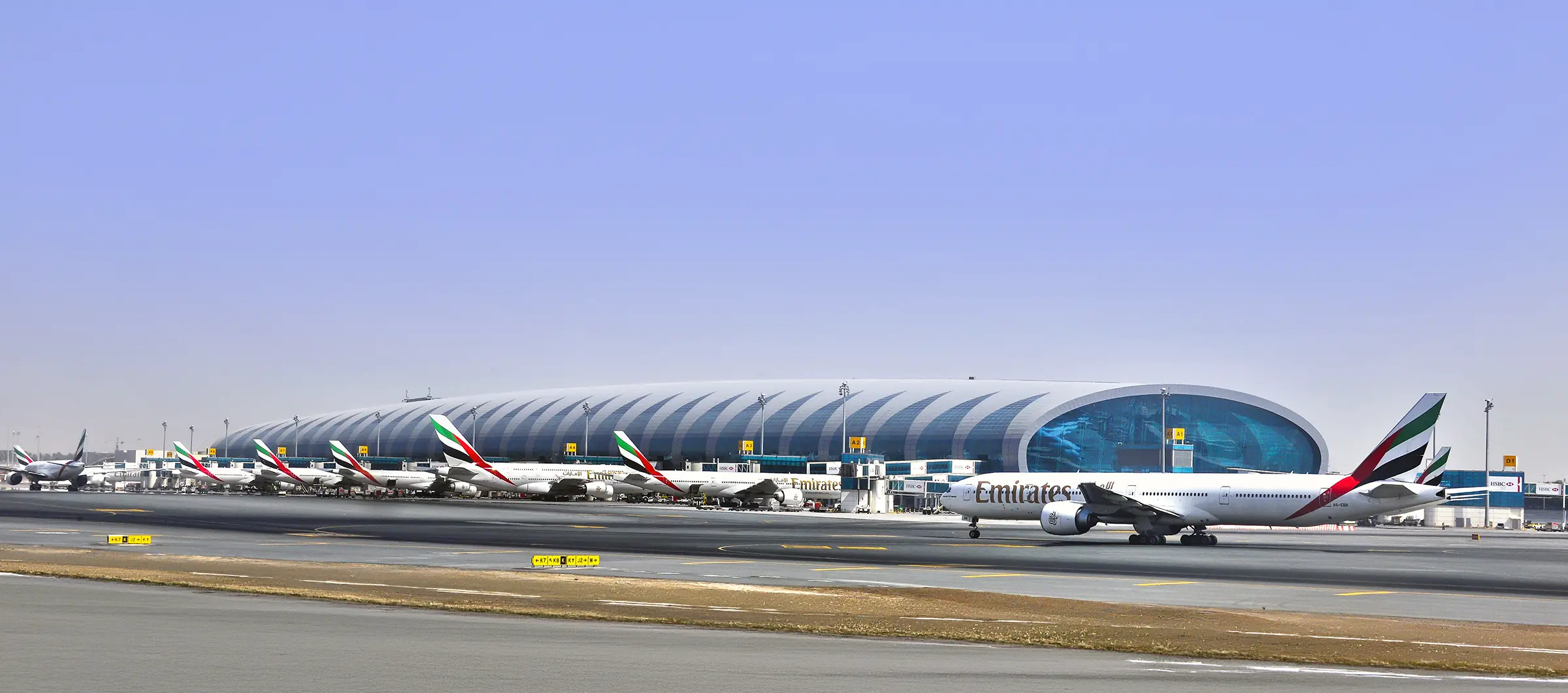
The Middle East, a leader in the global aviation market over the last decade and a success story that has only just begun
The drastic fall in oil prices around the world has caused many oil companies to airlines have gone from suffering heavy losses to achieving modest profits. This fall in prices has also prompted some voices to claim that the Middle East's rapid rise to aviation supremacy will be interrupted, as declining oil revenues will force a reduction in investment.
However, early indicators suggest that this is unlikely. While it is true that the major economies of the Middle East - including Saudi Arabia and the United Arab Emirates - have experienced a slowdown in non-oil sectors, growth rates remain strong.
The widespread success in the Middle East, North Africa and Turkey has only just begun.
Demand for the month of August saw an increase of 13.7% year-on-year - the highest growth of any region in the world.
Industrial and economic growth in developing markets such as China, Asia, Africa and Latin America has led to a shift in the world's economic centre of gravity. In a context of increased south-south trade, airlines based in the Middle East (such as Emirates, Etihad Airways and Qatar Airways) are absorbing much of the previously profitable traffic between Europe and AsiaThe airline industry, from the legacy airlines of these continents.
Middle Eastern airlines are very dependent on connection trafficThe region's home markets are limited by the region's sparse population. However, its unique geographic location - most of the world's population is less than eight hours' flying time away - allows it to capture a disproportionate share of long-haul market growth.
This threat to the old guard has not gone unnoticed. Three of the world's largest airlines - US carriers American Airlines, Delta and United Airlines - have complained to their government about unfair practices and illegal state subsidies and demanded that Gulf airlines be excluded from the privileges of the Open Skies Agreement.
The Gulf airlines have prepared a strong defence to these allegations and have demonstrated that the only "crime" they have committed is to be successful.
In addition, these airlines have made large investments in new and highly efficient aircraft in fuel consumption, as well as in state-of-the-art technology and in-flight entertainment. Thus, the results are literally paying dividends to the state shareholders of these airlines.
According to IATA, airlines in the Middle East are estimated to earn a collective net yield of $1.8 billion in 2015, with an average net margin of 3.1% ($9.61/passenger). The region's airlines are also estimated to experience 12.9% growth in passenger volume this year: the only region with double-digit growth.
But this is not all. The Middle East and North Africa regions have been plagued by conflict. After the fall of Muammar Gadhafi in Libya, the number of air passengers increased by more than 40%, although the figure has fallen again due to the ongoing conflicts. Lebanon, Syria, Iraq and Egypt have also experienced similar changes in their markets.
Currently, one of the sectors with the greatest growth potential in the Middle East is Iran. Iran is one of the 20 largest economies in the world and has a young, highly educated population of around 80 million people who enjoy one of the highest standards of living in the region. It is a market with a immense potential and huge pent-up demand of aircraft, equipment, technology, skills and capital, as well as aerospace and airport infrastructure, which will be unleashed as soon as restrictions are lifted.
However, the biggest challenge for the Gulf's supremacy is in the far north of the region: at Turkey.
Turkish Airlines aims to almost double its fleet from the current 263 aircraft to 450 by 2023. By the end of this year, it plans to have 300 jet aircraft in operation.
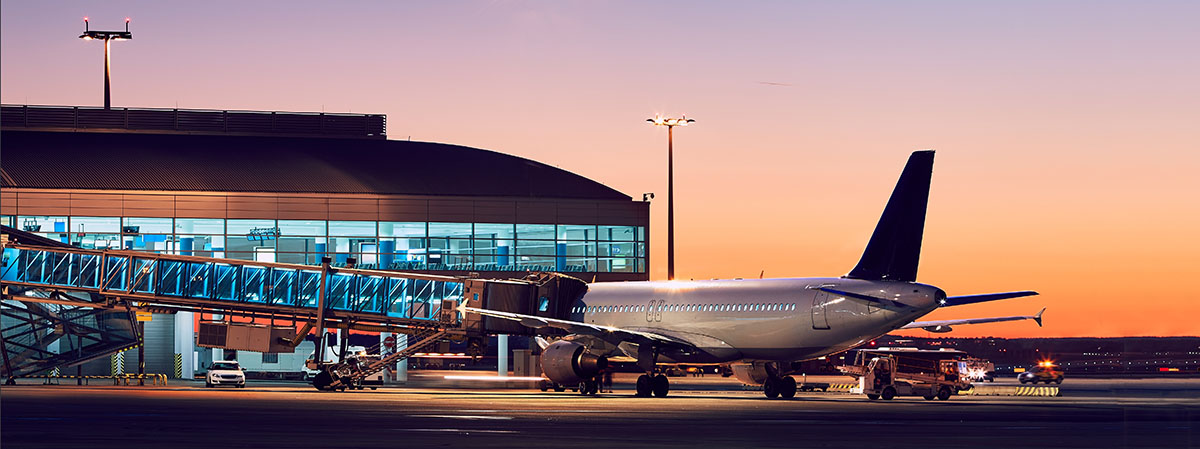
Istanbul is currently building a new airport, the first phase of which is scheduled to open in 2017. This new airport, with an investment of 35 billion dollars, will have six runways, 500 aircraft parking spaces and the capacity to accommodate 150 million passengers.
This project has not yet caught the attention of US and European legacy airlines, but it will.
The widespread success of the Middle East, North Africa and Turkey regions has only just begun. Growth plans for these regions for 2030 and beyond are already being drawn up. As Mark Twain might have said, rumours of his death are exaggerated. This market is here to stay.
Alan Peaford has won the Aerospace Journalist of the Year award five times and was presented with a lifetime achievement award in 2014. Alan is the Director of the Arabian Aerospace and African Aerospace news services and a freelance editor for Flightglobal's Flight Daily News, as well as Chairman of Aerocomm, a London-based aviation consultancy, and a regular contributor on aviation to the BBC and Al Jazeera.