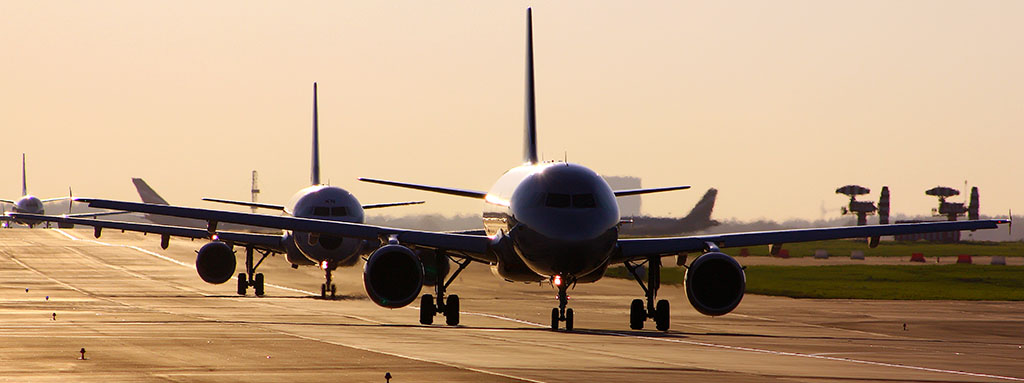
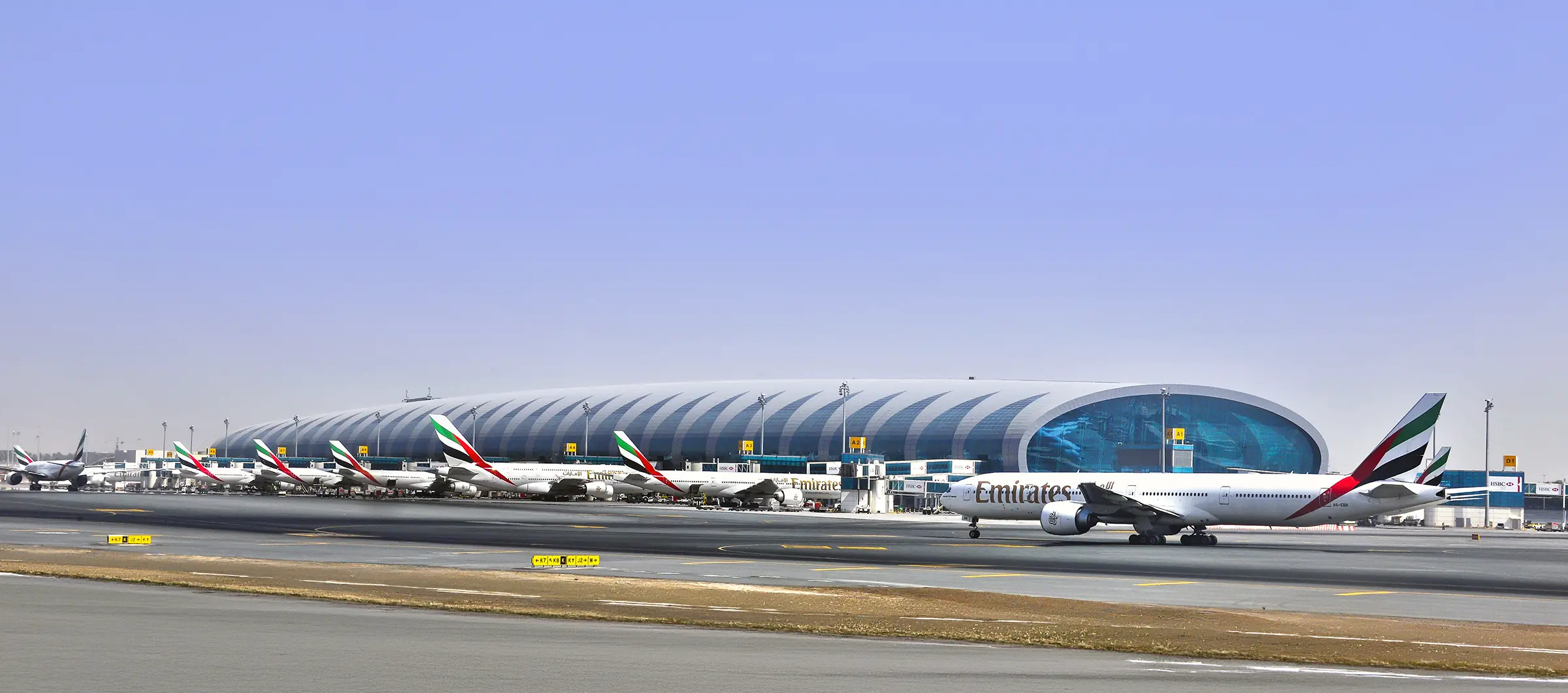
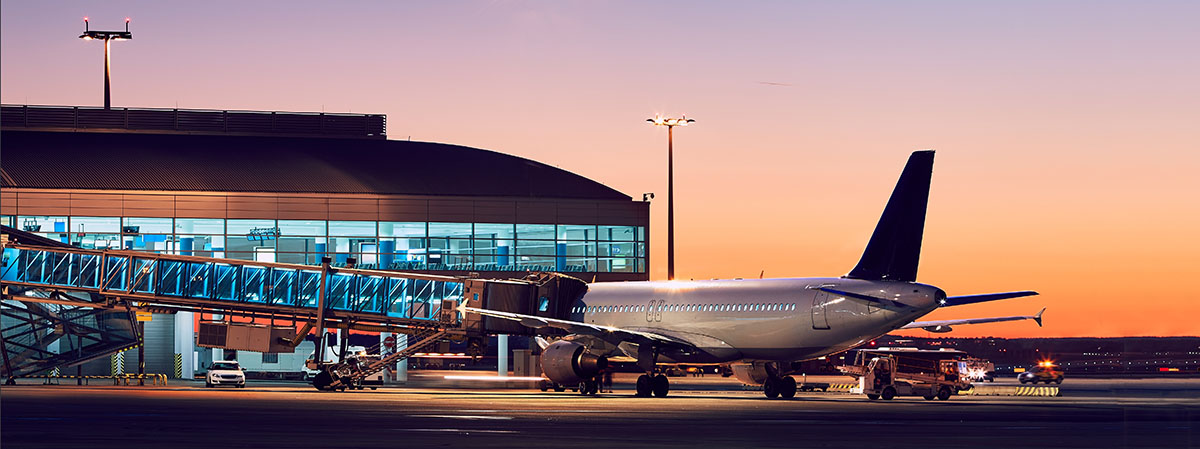
Over the past 30 years, the air transport has grown at an average of 5% per year.. This trend in the industry is expected to continue and the number of commercial aircraft is expected to double by 2040. As the world grows richer and more and more people move into the middle-class income bracket, it makes sense that air travel will also increase.
Europe cannot afford uncompetitive airspace in a global economy.
However, for these predictions to materialise, there are many challenges ahead. By 2040, Eurocontrol estimates that twenty European airports will suffer serious problems due to insufficient capacity.
According to the European Commission, "inefficiencies due to the fragmentation of European airspace lead to additional costs of 5 billion euros per year". If we do not implement the Single European SkyInevitably, the saturation of airspace will force many aircraft to stay on the ground.
Moreover, despite the efforts of engine manufacturers to reduce noise, the continued increase in aircraft movements near densely populated areas will intensify the social pressure on the industry. It's the same old song: travelling by plane yes, but far away from home.
Finally, the sector will need to address and respond to the challenge of carbon dioxide emissions. The current belief that the development of more efficient engines will reduce greenhouse gas emissions does not hold water. Fuel efficiency is, paradoxically, further exacerbating the problem. An illustrative fact: the industry itself expects current emissions to double by 2040. And it makes sense. The more fuel-efficient the aircraft, the cheaper it is to travel. As a result, more people travel more and to more distant destinations. No wonder, then, that the industry's estimate points to a doubling of business over the next twenty years.
That said, what expectations can we have for the next 25 years?
I believe that the Single European Sky will become a reality, with or without brexit. Europe cannot afford uncompetitive airspace in a global economy. Moreover, the current navigation system, based on voice radio transmitters and waypoints, will disappear. The use of data link communicators will make it possible to achieve flexible and more direct routes. Such data shall provide the information necessary for a safe and complex navigation.
Noise will always be a problem. Noise has a cumulative effect, so no matter how quiet aircraft are, it will do little good if the number of flights over neighbourhoods is increasing. Therefore, the world's population exposed to aircraft noise will continue to increase. The problem could be partially solved by promoting the use of smaller alternative airports. In this way, noise would be "diluted" among larger population groups. However, as I said earlier, it is to be expected that community opposition to the construction of airports in their vicinity will increase.
The problem of carbon dioxide emissions is more complicated to solve. The current state of technology does not augur well for a change in the use of fossil fuels in aviation in the near future. Aircraft, by definition, must be light. They therefore need to be powered by high-density forms of energy. Alternative green energies, such as wind, solar or hydro, can produce green electricity. But electricity, as is well known, requires very heavy storage systems. Biofuels could be a solution but, as is already being shown, they also generate some unwanted collateral damage.
In any case, air transport only accounts for 2% of total human emissions. In the short term, there is no viable means of transport that can replace air transport for distances of 1,000 km or more. If we are to tackle greenhouse emissions, mankind needs to turn its efforts to other areas where alternative energy sources do, in fact, exist.
Finally, if we succeed in overcoming all the challenges described above, I believe that a new competitor will emerge on the market: the autonomous flying vehicle.
The autonomous flying vehicle - a computer-controlled private flying device - will revolutionise transport in the same way that the private car did in the last century. The journey time to London from Rennes or Paris will be more or less the same. Consequently, small cities will be more competitiveThe new autonomous flying vehicles will be the first of its kind, as it will no longer be necessary to be close to a large airport to have a fast means of transport. Cars moved people from the centre of cities to the periphery and autonomous flying vehicles will move people from big cities to small communities.
And if we want to dream even more, the suborbital spacecraft are the next frontier. Travelling from Europe to the United States in less than an hour will be within reach for our grandchildren. They will be able to fly from Europe to New York in a day, visit the MoMA, eat a hot dog in Times Square and return home to watch the Champions League final. It doesn't sound like a bad plan.