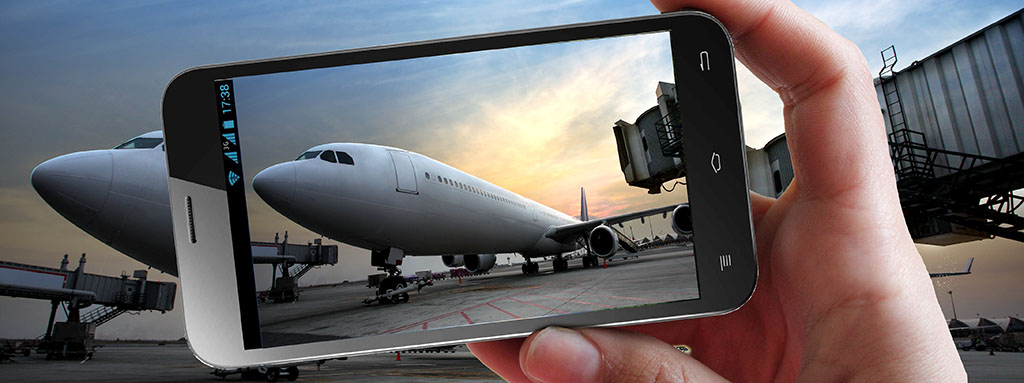
A selfie is a self-portrait photograph, usually taken with a mobile phone held in one's own hand. They have become very popular among young people and are usually associated with social networking on the Internet.
The airline industry is on its way to becoming a selfie for passengers. There is a strong trend in airport processes towards more and more self-service technologies. Air travel has become a commodity; therefore, there is a constant struggle for cost reduction. High labour costs push passengers towards self-service. The industry achieves this through the use of new technologies.
Passengers already book their tickets online and print their boarding passes at home. Once in the departure lounge, self-service baggage tagging and check-in is a reality at many airports. Similarly, many airports have automated passport controls. Automated boarding pass controls were the star of the latest Barcelona Passenger Terminal.
Food can still be purchased on board, true, but some passengers bring home-made snacks for the flight. Some airlines are even encouraging passengers to travel light - with hand luggage only - in order to eliminate hold baggage handling.
Airports and airlines want passengers to take care of themselves.
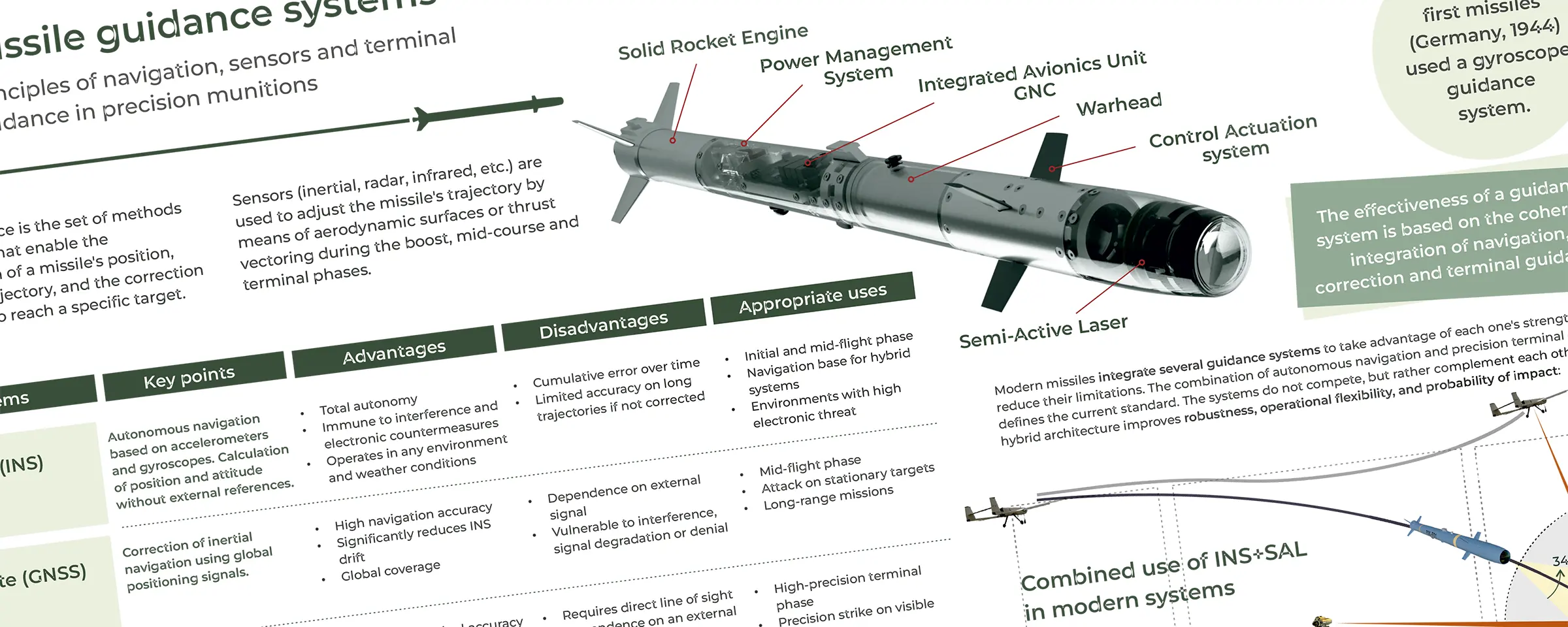
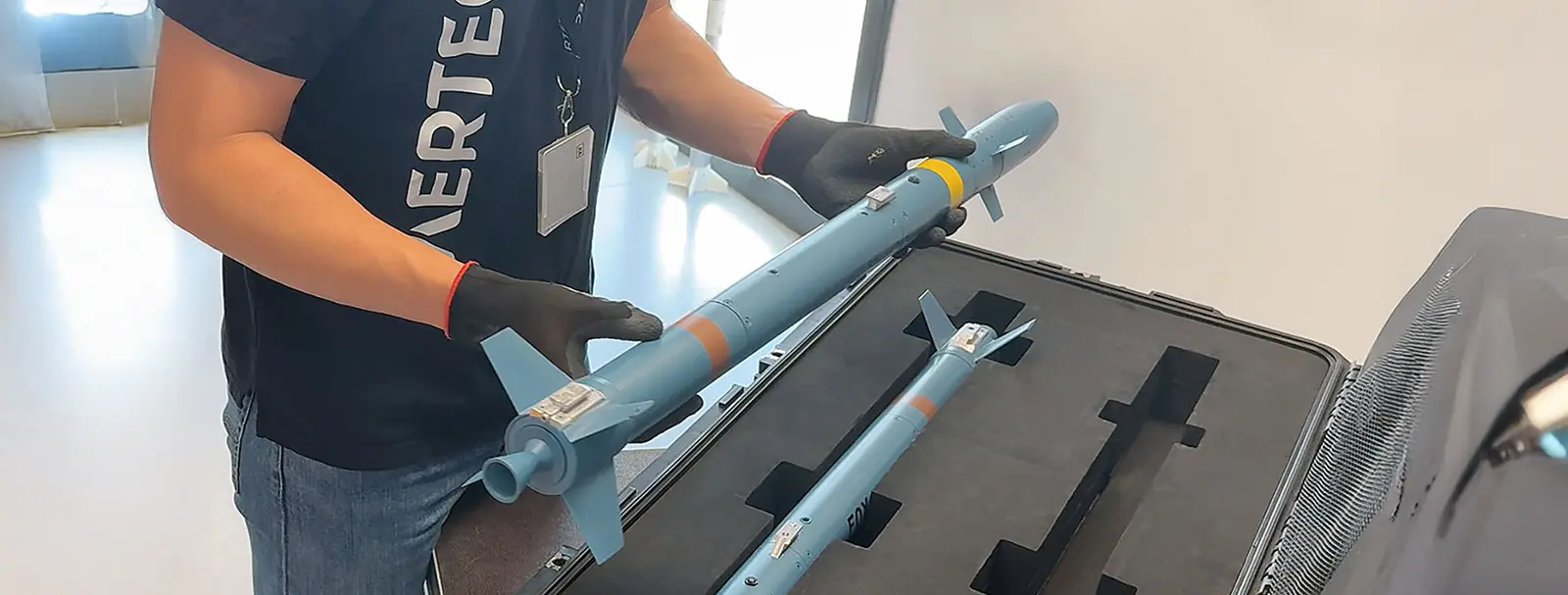
The general public may not realise that self-piloted aircraft are also on their way. We have all heard of drones (Unmanned Aircraft) especially in the military industry. Right now it might seem remote and far away from civilian flight. This is not exactly the case.
Few visionaries would have thought - in 1920 - that private automobiles would be within the reach of the ordinary man only 40 years later.
The clock is ticking. It's only a matter of time before we can all finally take a selfie - in the cockpit of our own drone - at 30,000 feet.
Spatial planners should start thinking about this.