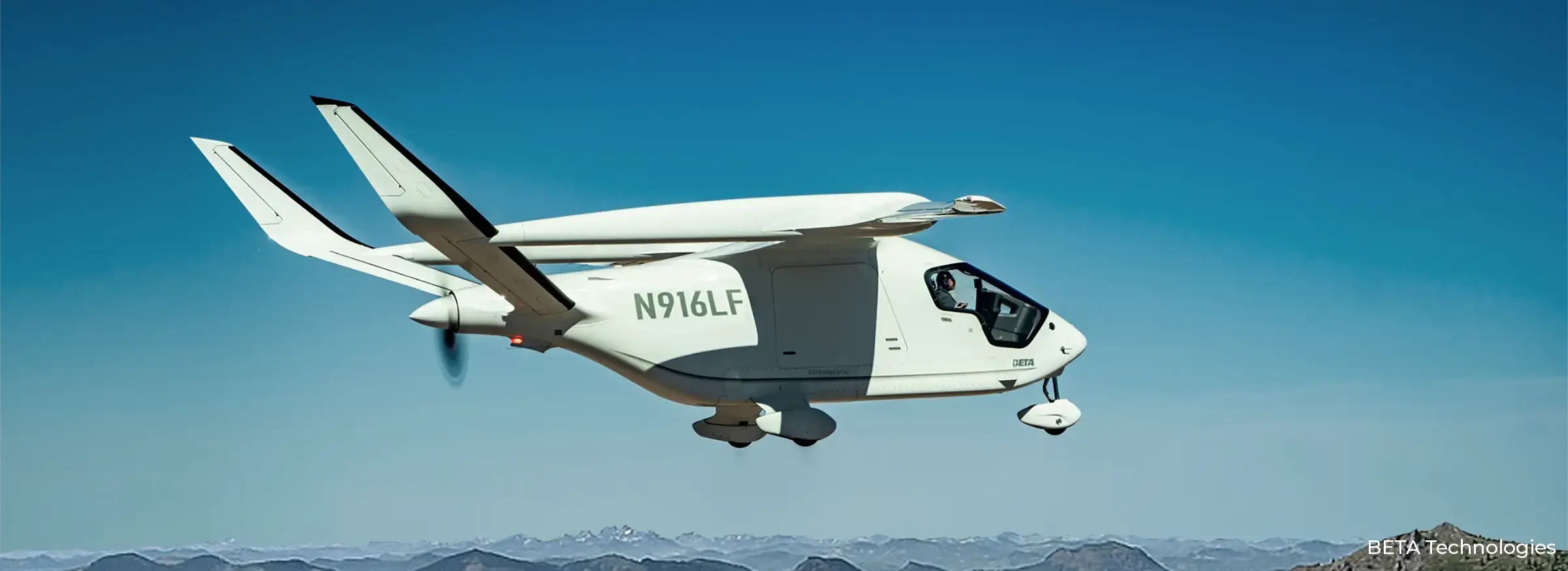
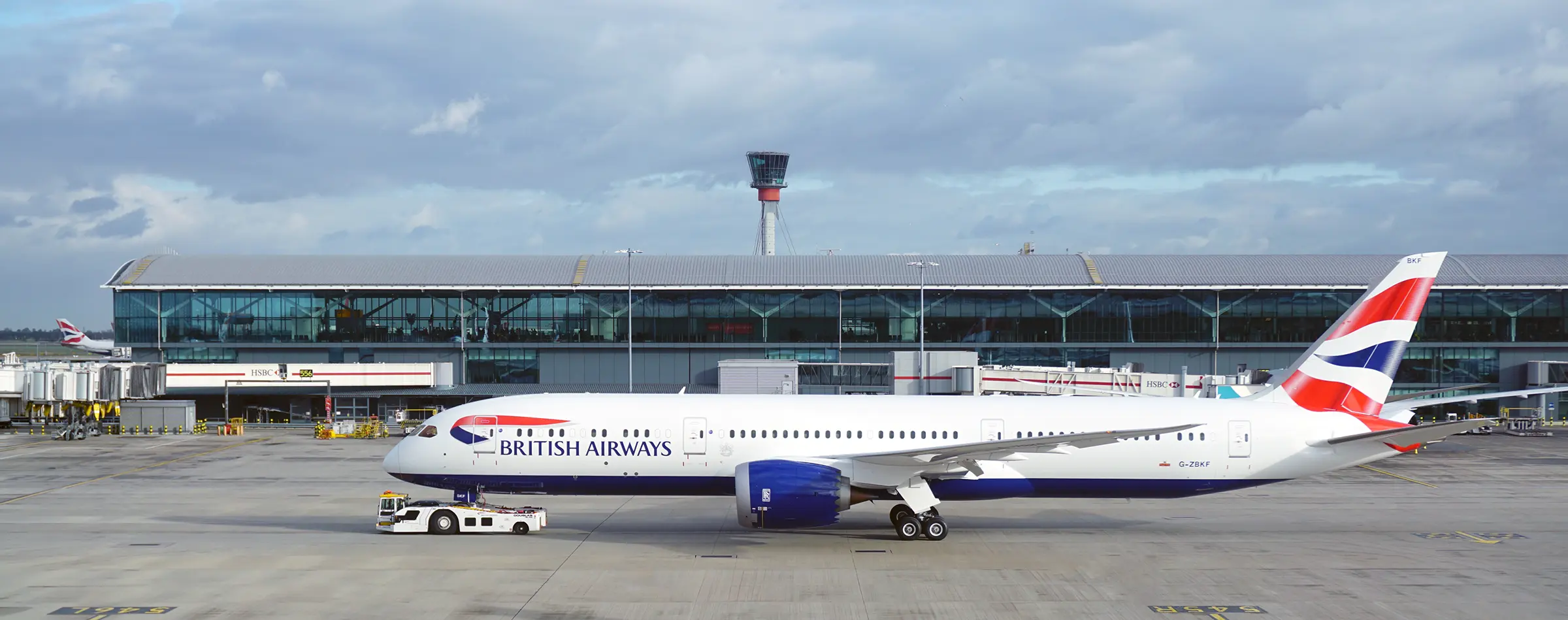
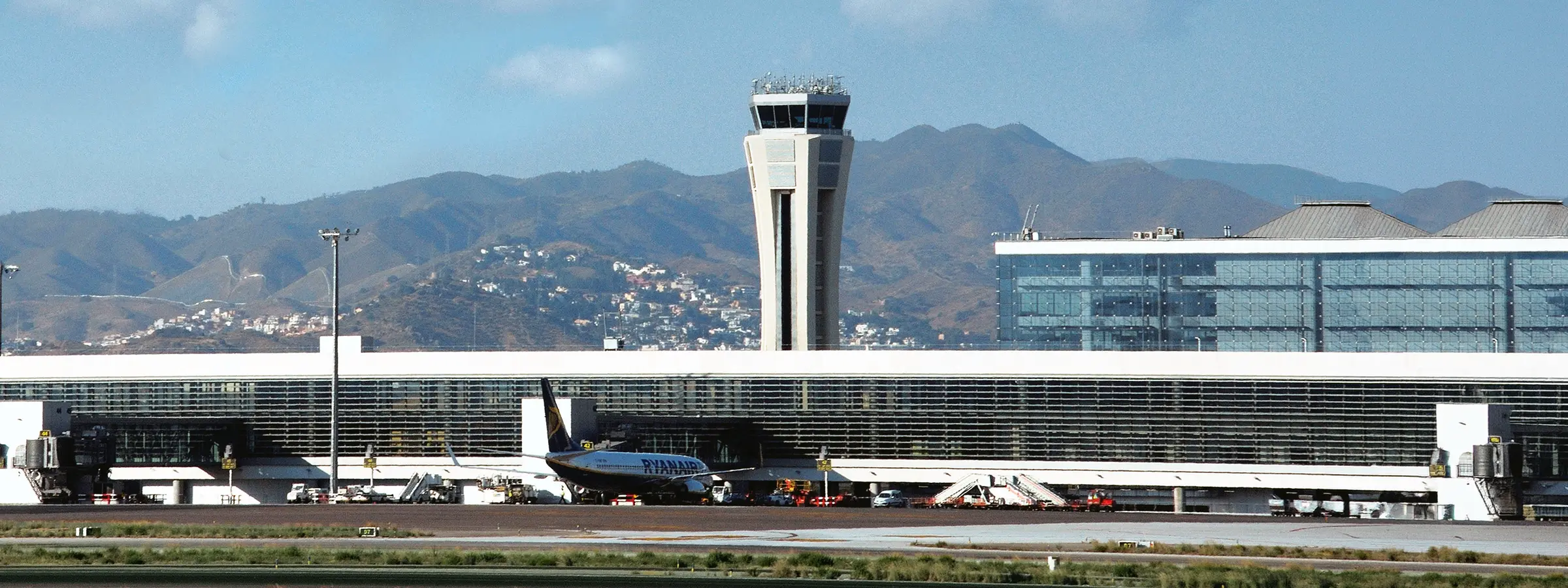
"There are now key elements such as electrification, digital technologies and automation that are shaping the new era of aviation."

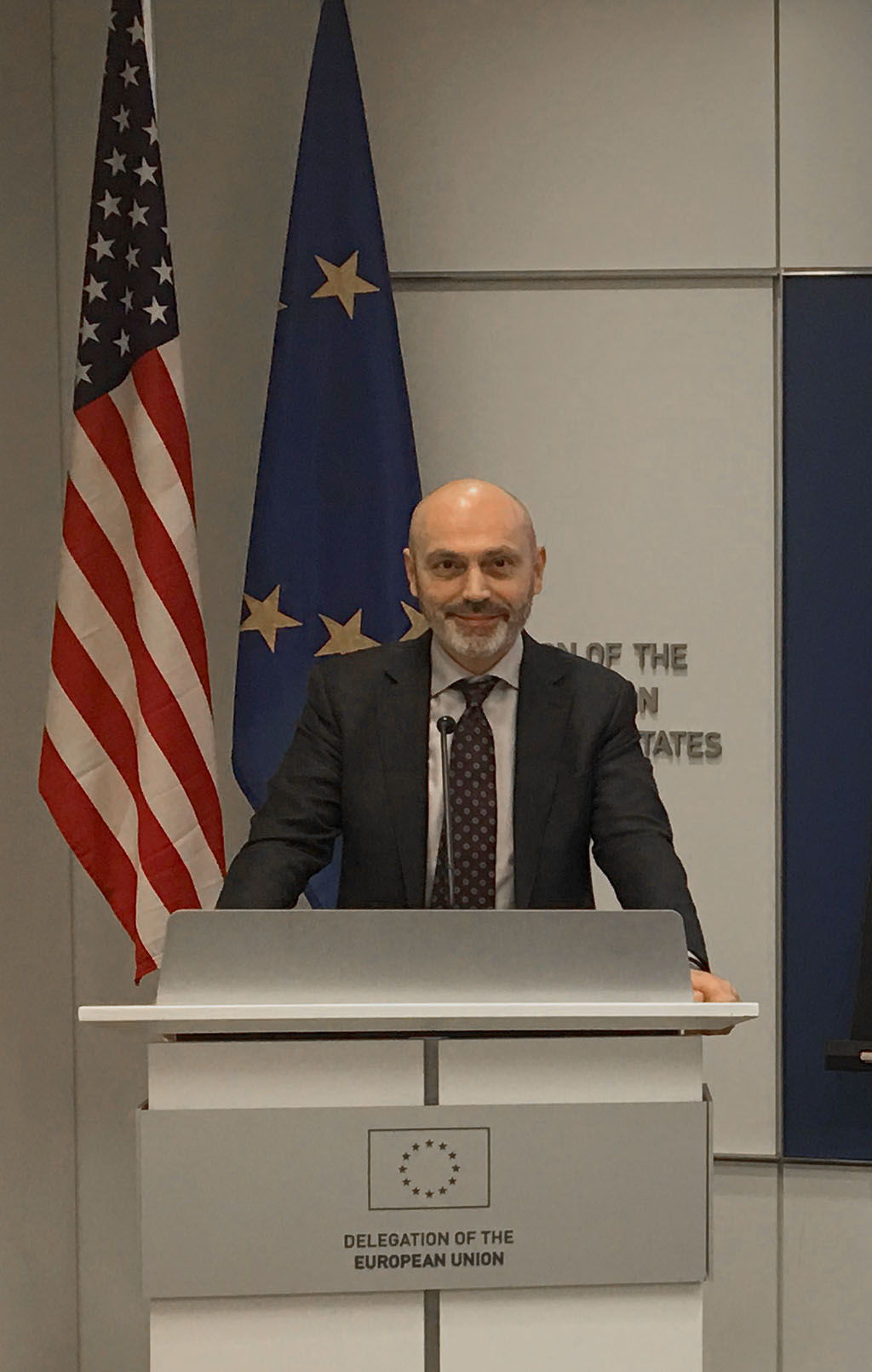
Sebastiano Fumero is Advisor for the Future of Air Transport in DG Research and Innovation of the European Commission.
 Regardless of traffic growth, aviation has a very important role to play in reducing noise as well as greenhouse gases. What are the current R&D priorities to improve its environmental performance?
As a growing source of emissions, aviation has a key role to play in achieving the European Green Pact targets of a 55 % reduction in emissions by 2030 and a climate neutral continent by 2050. Although aviation is one of the most difficult industries to decarbonise quickly, the European aviation ecosystem is committed to transformation and accelerated mitigation of its climate impact.
To achieve this, the European aviation industry must accelerate improvements in the environmental performance of vehicles and flight operations, which will also enable it to remain globally competitive and take advantage of the opportunities offered by a rapidly changing globalised economy.
Many of the efforts needed to make aviation climate neutral fall outside the scope of research and innovation (R&I). So far, a large number of promising solutions to achieve climate neutrality have been supported by public and private research and innovation programmes at EU, national and regional level. Some of these solutions now need to be accelerated and deployed.
The time has come to select and drive forward the most promising solutions with large-scale demonstration projects - in close cooperation with industry - in order to deploy them and achieve concrete results by 2030.
On the other hand, in air traffic management (ATM) there is scope for efficiency improvements if progress is made in the implementation of Single European Sky (SES) and more R&I is supported for the development of the European Digital Sky.
Finally, according to the latest analysis, the areas of aviation R&I that can offer efficiency gains in aircraft to improve environmental performance are:
- Engine improvements, i.e. improved transmission or propellers, e.g. ultra-high bypass ratio engines, as well as new types of engines, including those using different energy sources, such as hybrid-electric, electric or hydrogen engines.
- The integration of engines.
- Aerodynamics and materials, e.g. laminar flow and new composite materials.
- New aircraft designs, such as the integrated fuselage. Traditional wing tube design may need to be changed to achieve climate-neutral aviation.
- Maintenance, repair and operations (MRO): in this sector of the aviation industry there is also some potential for improving aircraft efficiency.
- And maximising the potential of new business models, such as the use of more personalised point-to-point aviation, air taxis, lighter-than-air technologies and the separation of freight and passenger transport to optimise routing, load factors and schedule distribution.
 The environmental efficiency of aviation continues to improve, but future CO2 emissions are estimated to increase by a further 21 % to 198 Mt in 2040. Do you think decarbonisation will be possible by 2050?
Recent technological and operational improvements have significantly boosted the energy efficiency of air transport. Today's aircraft are around 80 % more fuel efficient per passenger kilometre than in the 1960s, making them greener than the aircraft of the time.
The aviation sector was the first to set a CO2 emissions reduction target and aims to achieve a 50 % reduction in emissions by 2050 compared to 2005. However, there is currently no single technological or other solution available that would enable aviation to become climate neutral by 2050. It is generally accepted that decarbonisation of aviation in the short term depends on incremental technological advances and the use of sustainable aviation fuels, while in the medium to long term new aircraft with specific design improvements and different propulsion systems will be needed.
I cannot predict whether aviation will be fully decarbonised by 2050 or not, but I am convinced that both the private sector (which, by the way, is already fully engaged) and the public sector are strongly committed to this goal.
At the end of 2015, the European Commission published a comprehensive strategy for the European aviation sector. What are the tangible results today of the measures that were included in that strategy?
We will try to analyse each of the different priorities, bearing in mind that the Aviation Strategy for Europe was published in December 2015 and therefore we do not yet have a clear assessment of all its results.
As regards the first priority, "Positioning the EU as a major player on the international aviation scene, while ensuring a level playing field", we can note that Europe is playing an important role at international level. For example, the European Commission is successfully leading Member States' actions and contributions at ICAO level, notably in the development of international standards on aviation emissions (CORSIA), and several important agreements involving the aviation sector have been signed in recent years.
Moreover, EASA is cooperating effectively and efficiently with the FAA and has signed important agreements with other governmental agencies in different parts of the world.
There is still room for improvement in terms of ensuring a level playing field in some specific areas, but this is a more general business objective that affects several industrial sectors, not just aviation.
With regard to the second priority, "Addressing the limits to growth in the air and on the ground", we must recognise that despite the achievements made by the SESAR Joint Undertaking since its launch and despite the creation of the SESAR Deployment Office, much remains to be done. R&I efforts need to be expanded and accelerated so that a new European collaborative and distributed ATM infrastructure is ready when it is needed. However, while it is possible to increase R&I capacity, this will not be sufficient to solve the problems caused by the existence of a fragmented system of national airspaces.
With regard to the objective of maintaining the EU's high safety standards as air traffic increases, European aviation has maintained an impressive safety record. In particular, the very important role of the European institutions in funding dedicated research activities and in monitoring compliance with safety regulations and operational standards should be underlined. The role of EASA in ensuring compliance with the highest safety standards should not be underestimated.
In aviation, safety must always be paramount. Of the four modes of transport (air, rail, sea and road), aviation is often considered the leading sector in security. Specialised research on safety issues contributes to maintaining this position of confidence with passengers and businesses alike. Commercial aircraft accident rates have fallen steadily since 1958, including the last two decades, during which commercial air traffic has doubled. These improvements are due in large part to successful advances in technology, better safety governance and a strong focus on pilot training and crew resource management.
Finally, as regards the last priority, "Advancing innovation, digital technologies and investment", it is important to highlight the enormous contribution to innovation made by the wide range of European projects, from collaborative research to public-private partnerships. By developing technologies that can contribute to making aviation more environmentally friendly, safer and offering a better passenger experience, projects funded by the European Commission are also making an important contribution to the EU's sustainability and transport policy objectives.
The SESAR 2020 initiative (Single European Sky Air Traffic Management Research) will bring new ideas to the market and increase the speed of change in air traffic management. What should we expect from this programme?
In Europe we currently have an obsolete air traffic management system which is not functioning optimally and is reaching its limits in terms of its capacity to handle an ever increasing volume of different types of air traffic.
The current system needs to be transformed to allow the exploitation of emerging digital technologies and to incorporate new forms of aerial vehicles, including drones. The current air traffic management infrastructure is the result of gradual historical evolutions at national level, which has led to a fragmented system with limited interoperability between countries.
Air traffic management is a critical element in the European air transport value chain and is vital for connecting the regions and making Europe a global hub of mobility and prosperity. The SESAR programme must focus on the modernisation of air traffic management and should devote more attention to increasing efficiency and effectiveness, while maintaining or even improving levels of safety, security and environmental performance. This programme must also recognise the need for solutions to address critical capacity bottlenecks.
The global aviation market has seen the introduction of disruptive European technologies, such as a completely new generation of air vehicles and even more efficient, more environmentally friendly and quieter engines. What is Europe's role in improving the global aviation market?
The European aerospace industry currently manufactures 50 % of the world's civil aviation fleet. This means that it has a major responsibility for the development of important technological and operational breakthroughs that will lead to climate neutrality.
In this world-leading role, it is essential that European industry consolidates its market share by being the first to develop new green and safe technologies.
The European Commission will support further research and innovation activities that will help European industry to develop and introduce safe, reliable and affordable zero or low emission air transport for citizens. This will also help to ensure that European industrial leadership is maintained and strengthened during the transition to a climate-neutral Europe by 2050. Public acceptance of the technological solutions to be developed is very important, as they must be perceived as safe and environmentally efficient.
Is it realistic to think that we will achieve sustainable development goals within the next decade thanks to technological and scientific advances in the aviation sector?
The impact of Covid-19 on the global aviation industry is of unprecedented severity, as the aviation industry has never before faced a similar situation on such a scale. More and more fleets are being forced to ground and we are seeing continuous redundancies and order cancellations or delays. This will have a serious impact on the manufacturing sector in the coming months, as well as on the maintenance, repair and overhaul sectors.
It could even change the way we travel and affect the aviation sector in ways that are not yet possible to predict at this stage. But commercial aviation has survived other major challenges in the past, from which it has recovered and emerged stronger.
Despite uncertainty about the future, demand for new technologies is expected to remain very high in aviation. There will be demand for fuel-efficient aircraft, for quiet aircraft and alternative fuels and, as far as Europe is concerned, for everything needed to finally achieve the Single European Sky.
Today, key elements such as electrification, digital technologies and automation are shaping the new era of aviation. Urban air transport, personal 3D mobility and almost completely silent and emission-free aviation are just around the corner. On the other hand, new energy carriers, digital and industrial technologies (such as artificial intelligence, quantum computing, quantum computing, the block chainThe future of aviation will have a major role to play in the aviation of the future.
Will this be enough to meet the Sustainable Development Goals within the next decade? Probably yes, if the European aviation industry is able to adopt a comprehensive environmental strategy, which should include designing and building fuel-efficient aircraft, improving gate-to-gate operational efficiency for customers, modernising air traffic management systems and developing sustainable aviation fuels.
To conclude, I would like to offer a final thought on sustainable aviation fuels (SAFs). These fuels are considered to be the most viable way forward for the decarbonisation of aviation in the short term, as they can be incorporated smoothly into the current structure of the sector. However, considering the important role that UFAS should be playing in decarbonisation, we are still far from seeing widespread use of these fuels in aviation. The challenge is therefore not so much the chemical properties of substitute fuels, but the barriers to widespread commercial uptake, as production capacity is currently well below the level of fuel consumption in the aviation sector.