"Optimising the integration and operation of various sub-systems to make the use of hydrogen viable at aircraft level is our key challenge.
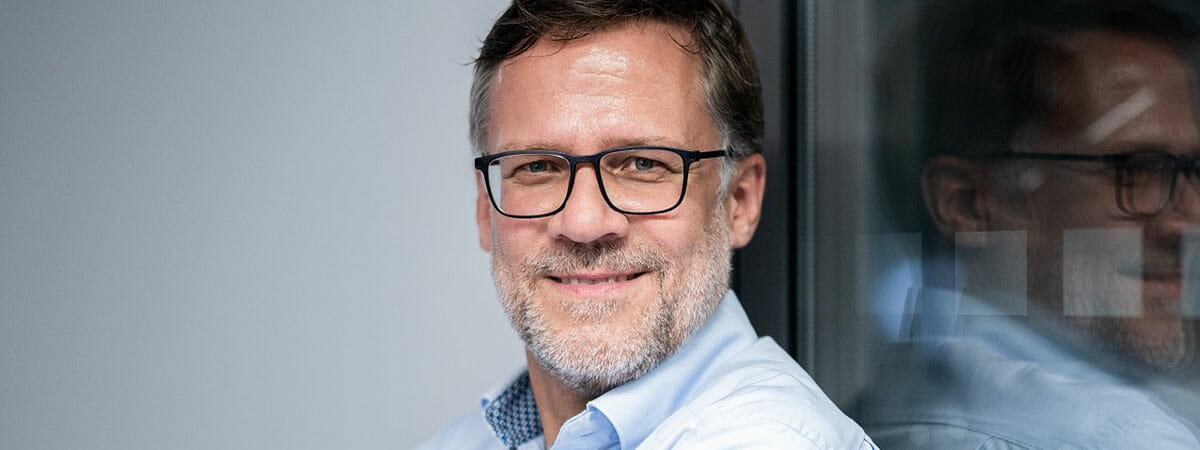
Roland Gerhards is Managing Director of the ZAL Centre for Applied Aeronautics Research.

2022 could be the year of recovery in the aviation sector, but there are also many other challenges ahead, such as achieving net zero carbon emissions. This requires the implementation of new types of technologies. How is ZAL driving innovation to meet climate change targets in aviation?
ZAL supports many activities to make aviation greener in several ways. Firstly, we are providing a platform for collaboration, exchange and networking. Many partners in the ZAL TechCenter are working together along the innovation process chain: from universities, start-ups, research institutes (DLR, Fraunhofer) and suppliers to OEMs (Airbus and Lufthansa Technik). Secondly, the ZAL provides research infrastructures that can be used by these partners: hydrogen test environments, acoustics laboratories, laser facilities, just to name a few. Thirdly, our experts are building demonstrators and proof-of-concept prototypes to accelerate the innovation process itself. In short, we provide the perfect environment for aviation innovations, many of which contribute to sustainability.
ZAL plays a key role in hydrogen research focusing on the decarbonisation of aviation. What are the ongoing projects in which the centre is involved? Is Hamburg now leading the ongoing transformation of aviation towards a climate-neutral mobility solution based on hydrogen?
ZAL is involved in several projects for the use of hydrogen in aviation and is well integrated in Hamburg's hydrogen ecosystem. Our main focus lies on system-level integration and thermal management. Optimising the integration and operation of various sub-systems (e.g. fuel cells, hydrogen tanks) to make hydrogen use viable at aircraft level is our key challenge. One example is the reduction of fuel cell weight through 3D printed end-plate design and function integration. Thermal management is also critical: the use of liquid hydrogen (the main aviation solution for storing hydrogen on board aircraft) at -253 °C and a fuel cell providing heat "only" up to around 80 °C requires new solutions for heat transfer between all subsystems for cooling and heating purposes. Integrated test benches are used to operate systems under different conditions.
On a smaller scale, we are designing drones with hydrogen power supply: instead of 20 minutes of flight time with batteries we are reaching more than two and a half hours using fuel cells. Our goal is to achieve a flight time of more than 12 hours using a specially designed tank for liquid hydrogen.
Urban Air Mobility is also growing faster and faster. Are our cities preparing to host a long-term market for air taxis and drone services? What are the latest trends in ZAL air mobility?
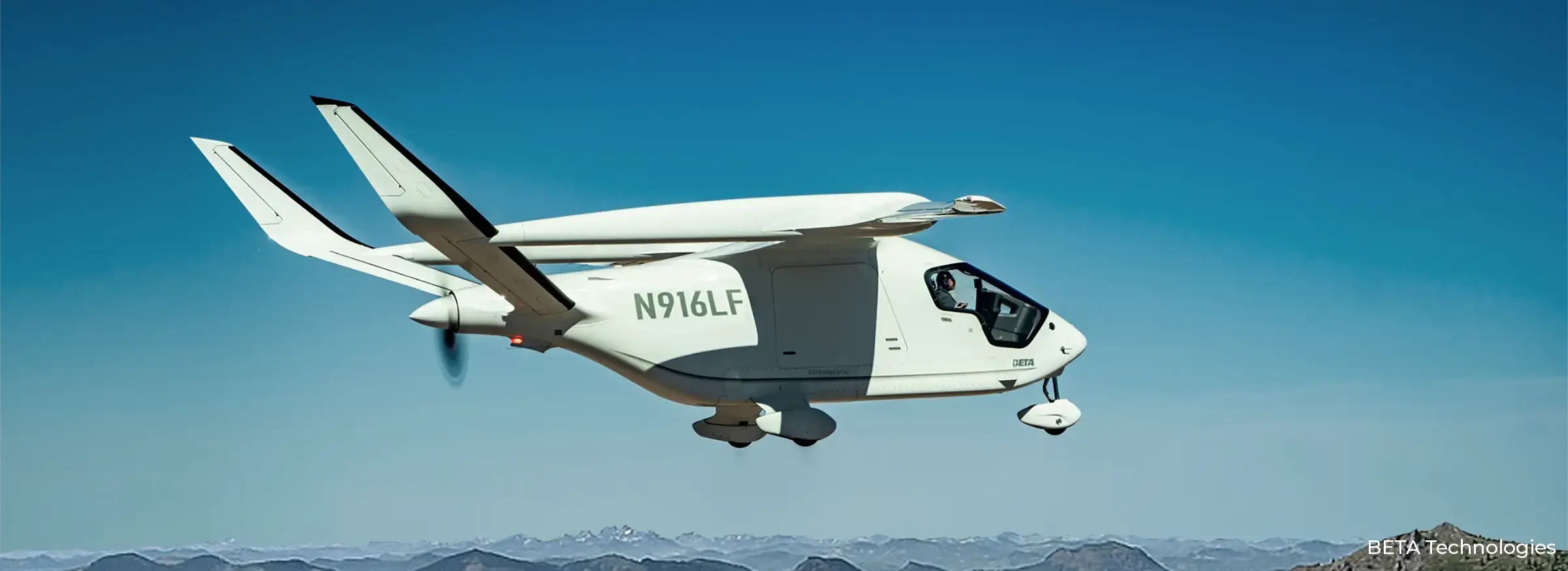
A couple of years ago, ZAL launched a network project called Windrove to improve collaboration between different stakeholders, including the general public. One of the results was the acceptance of drone services mainly for flights with a public benefit but not for private use scenarios. The MediFly project was launched with this in mind: transporting tissue samples between hospitals and testing centres to reduce the time of cancer surgeries. Still, the daily operation over a city and in a complex airspace is a challenge that the project team is working on. Air taxis will remain a niche product for the foreseeable future, as certification is a huge task and the transport performance (people per hour transported) is rather limited. But there are also other possible usage scenarios, such as emergency services. Noise also remains a problem that will be improved with the use of electric motors, but is not easily solved.
The ZAL TechCenter was officially opened in Hamburg in March 2016. Looking back after almost 6 years, what are the main achievements?
The main achievement is the trust and collaboration between the different partners: our new way of working. Active network management was needed, but it is paying off: the ZAL TechCenter was full after two years and remains full even during the Covid crisis. Now we are even expanding the building with ZAL II and ZAL III. Technically, we managed dozens of projects (including those of our partners, probably even hundreds). Definitely the highlight was that our start-ups JetLite and Synergeticon won several awards. Printed electrical circuits (Airbus, Altran) and Sharkskin (Airbus, Lufthansa Technik, Fraunhofer) were further award-winning projects.
In your view, what are the short-term challenges facing the aviation sector, and is the industry ready to meet them?
The Covid-19 crisis has affected the aviation sector, everyone involved, from airlines and airports to manufacturers and suppliers, to an unprecedented degree. Now, at the beginning of the recovery, the war in Ukraine adds another level of challenges. But there are always opportunities: while the widebody/long-range market will take longer to recover, the single-aisle fleet will take less time to get back to normal (whatever the new normal is: Lufthansa, for example, anticipates 10 % fewer business travellers due to video conferencing) with new products such as the A321XLR. For our research activities, we anticipate even more momentum due to the need for green technologies for two reasons today: climate change and independence from oil and gas. And we are well prepared for this with excellent, well-trained teams and a complex infrastructure. Not all the technological answers are there yet, but with this set-up, the industry is well prepared for this radical change.