The head of Mott MacDonald's UK Aviation division talks exclusively to us about his vision for the future of the airport industry.
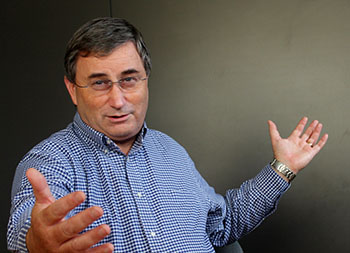
Paul FairbairnHe is very clear: in the aviation sector, speaking the same language means above all speaking scientifically, because the key is specialisation. "When everyone in an international team speaks scientifically, understanding is easy, even if they speak different languages."AERTEC Solutions is an interesting partner for large engineering companies," says Fairbairn, who sees AERTEC Solutions as "an interesting partner for large engineering companies.because of its specialisation". In this interview, the leader of the airport business of one of the world's leading engineering firms, gives us his impressions on the evolution of the sector, explains what the airports of the future will be like and also tells us about some of his firm's most outstanding projects.

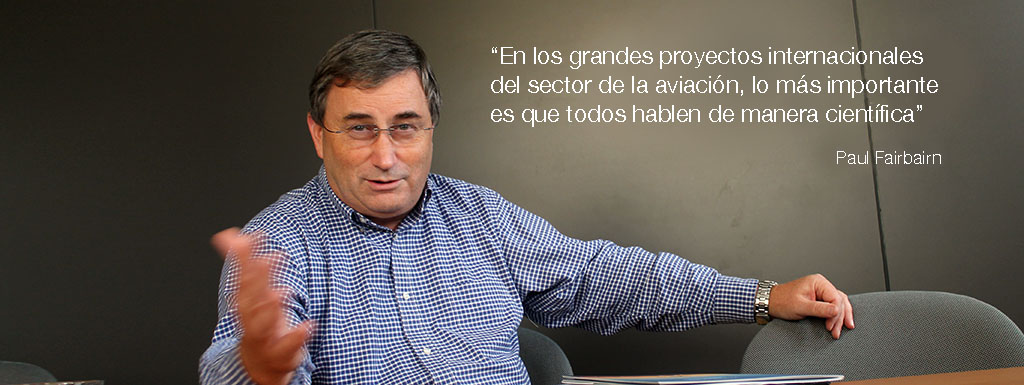
The sector for Mott Mac Donald, and its most emblematic airport projects.We have significant business in the UK, in Hong Kong and many aeronautical engineering partnerships with American companies. However, we believe that this is an area that can be developed, as it is a sector with potential for development (...) Our most emblematic airport projects include those we are undertaking in Heathrow, Hong Kong, Changi, and Singapore. At Heathrow, for example, we are working on new methods of access to the airport, new sustainable solutions. We are also working so that the model of this airport can also be applied to others such as Gatwick, an airport that has been little used until now.
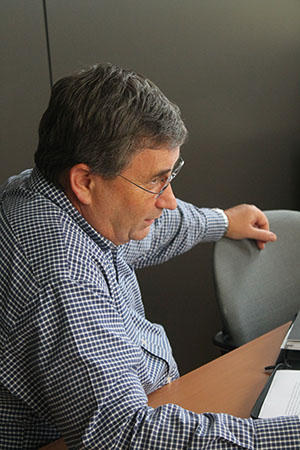 The language of specialisation. "When everyone in an international team speaks scientifically, understanding is easy, even if they speak different languages (...) That's why we are always looking for new partners who have what I call the ability to speak scientifically. What does this mean? It means that when you speak that scientific or specialised language, language differences are not important (...) That's why AERTEC Solutions is a great ally for large engineering companies, because of its specialisation (...) At Mott Macdonald we are a very cooperative company and we look for partners who provide us with specialisation in order to build the best team for our clients".
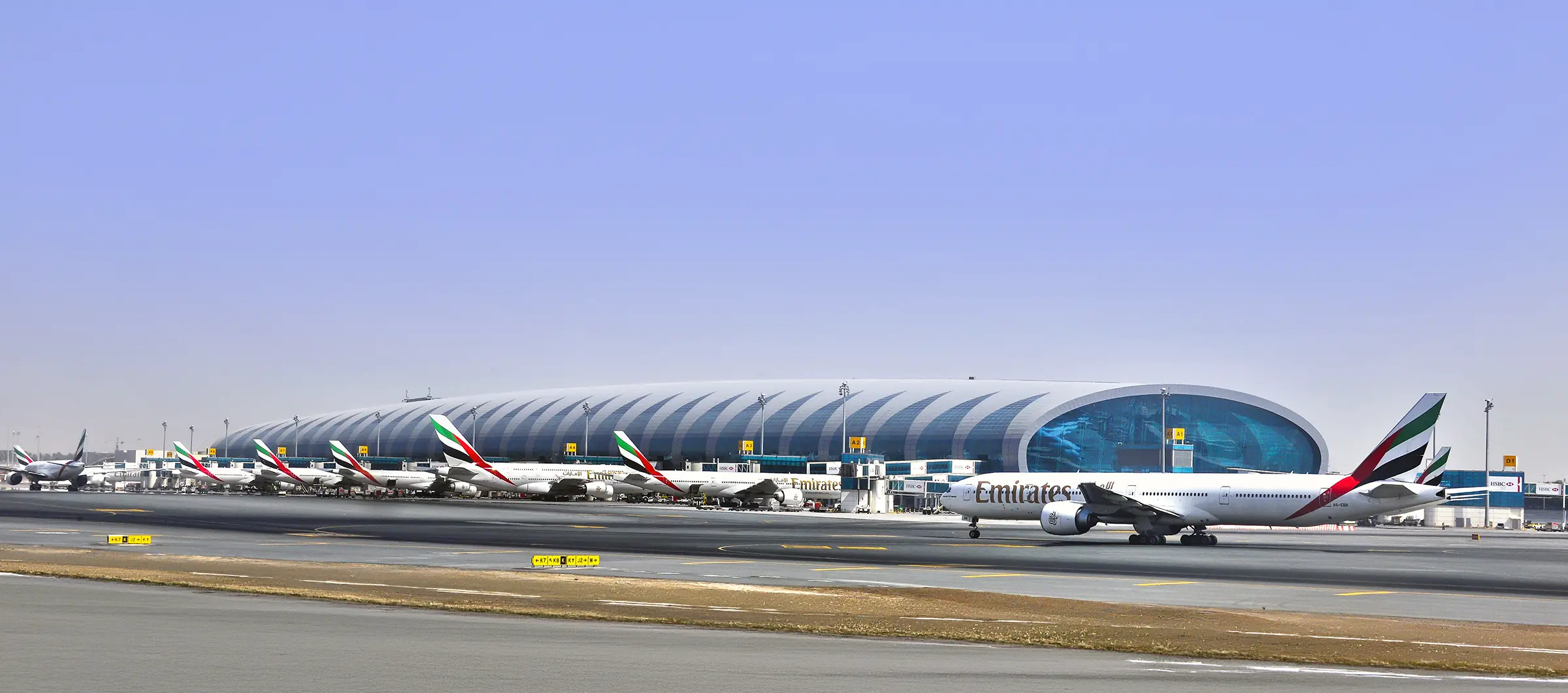
How we have changed. "Looking back at how things have changed since I started working in the industry, I have to say that the transformation is enormous, and that there have been substantial changes that have completely reshaped the aviation market, making travel available to almost everyone. Recall that in the 1990s, Boeing 747-400 aircraft were introduced, but not many could fly from South Asia to London without transfers. Many stops had to be made. The evolution of long-haul travel has changed the dynamics of flying around the world. People can now travel to many places that used to be difficult to get to, such as India or Abu Dhabi. In my view, there are two structural changes that have taken place that have reshaped the market in Europe and the world. hubs in the Middle East, Dubai, Abu Dhabi (...); the second, associated with the first, is the proliferation of airlines that have increased air traffic, making it more accessible to all users.
The best airports in the world. "I believe that the new Asian airports are the best in the world at the moment. Hong Kong Airport in China, Changi Airport in Singapore and Seoul Airport in South Korea all share, in my opinion, the status of being the best airports in the world. And what distinguishes them? Above all, the quality of service they offer. The treatment of passengers. Attention to detail. Design, not necessarily understood as great architecture, but as the overall conception of the airport to improve the passenger experience. If we look at Changi, for example, we find an absolute passion for details that mark the passenger's perception. At Hong Airport, with its very basic architecture, passengers receive impeccable service (...) And I think the future lies in helping passengers to improve their flight experience, for example by making stopovers much more pleasant and bearable (...).
 Where are we going?"In improving the passenger experience, the opportunities offered by technology are fascinating. I'm not talking about new technologies, I'm talking about technologies that we have achieved in the last 10-15 years that have not yet been applied or have not yet been applied to their full potential. Think for example about smartphones, what they can do for passengers and what they can mean in terms of convenience... In some airports, like London and others, we have technology that allows passengers to do things on their own, and this translates into business value for money as well. I think we can do some very interesting things if we get creative in looking at the technologies. Let's see what we can achieve in the next 20 years. New technologies, properly applied, could also revolutionise security screening methods when it comes to flying.
Single European Sky. "I wouldn't say that the future of aviation depends on this alone, but I do believe that SESAR offers great potential, especially in terms of air traffic congestion. There are areas in Europe, for example in the UK, that are saturated, and this EU project will help modernise air traffic management.
A growing sector. "I think the outlook for the future in the aviation sector is very positive, especially in Latin America, China and India, which are markets with a lot of opportunities and are very interesting and worth paying close attention to".