AERTEC will develop and validate a technology demonstrator to monitor and control the availability and operation of all the new generation high voltage electrical systems developed in the HECATE project.
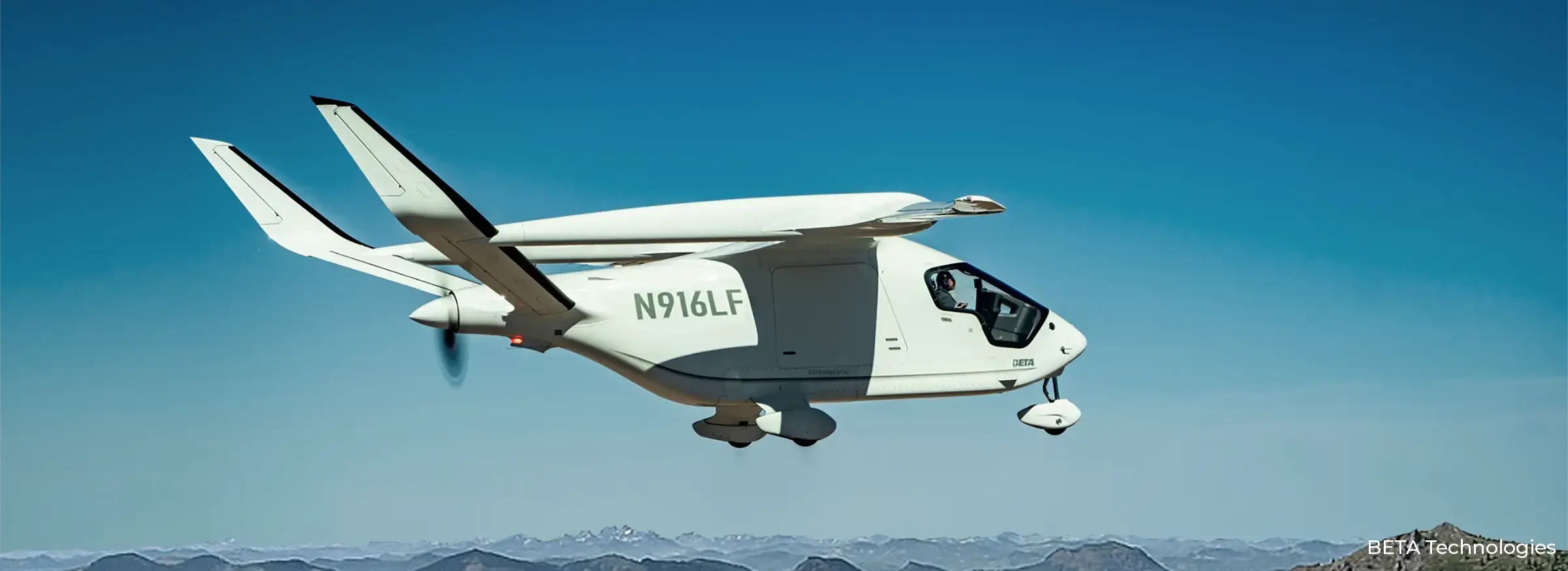
The European aviation industry is working to achieve its goal of net zero carbon emissions by 2050. Advancing the development of hybrid-electric aircraft is one of the keys to meeting this challenge. However, to support the new propulsion systems, the following will be required new high-voltage electrical distribution technologies as electrical power levels increase from hundreds of kilowatts today to megawatt levels in the aircraft of the future.
This is the main objective of HECATE (Hybrid ElectriC regional Aircraft distribution TechnologiesThe project is led by the technology provider Collins Aerospace and involves 37 companies and organisations from 11 European countries, including Airbus Defence and Space, Safran, Leonardo, Thales and Fokker, as well as a dozen universities and technology centres from all over Europe.
The HECATE consortium will develop high-voltage electrical distribution systems for hybrid regional aircraftwith the specific objective of demonstrating a hybrid-electric architecture of >500 kW in ground tests at Technology Readiness Level (TRL) 5 by 2025. They will be state-of-the-art high-voltage electrical technologieswith a low carbon footprintin line with the objectives of Clean Aviation, the major joint research and innovation programme of the European Union, UK Research and Innovation and the aviation industry to transform aviation towards a sustainable and climate-neutral future (more information on HECATE at www.hecate-project.eu).
"AERTEC's contribution will focus on researching, developing and validating a technology demonstrator of the "Global Health Monitoring" system that monitors and controls the availability and operation of all the new generation high-voltage electrical systems developed in the HECATE project for the hybrid-electric regional aircraft," says Rafael Ortiz, head of AERTEC's Aerospace and Defence Systems Area.
Spanish engineering has a high degree of specialisation in avionics, aircraft electrification, certifiable on-board software, and guidance, navigation and control systems, and has led the development of intelligent and innovative solutions for electrical power distribution in aircraft.
AERTEC has a long history of participation in innovation projects in EuropeSince 2011, it has been working intensively on innovation in numerous initiatives linked to the European Clean Sky (1 and 2) and the current Clean Aviation Framework Programmes. In the former, the innovation projects have been oriented towards greener and more environmentally friendly aviation, while in the current Framework Programme the concept has been further advanced, focusing on the decarbonisation of aviation.